
 Image 1 of 4
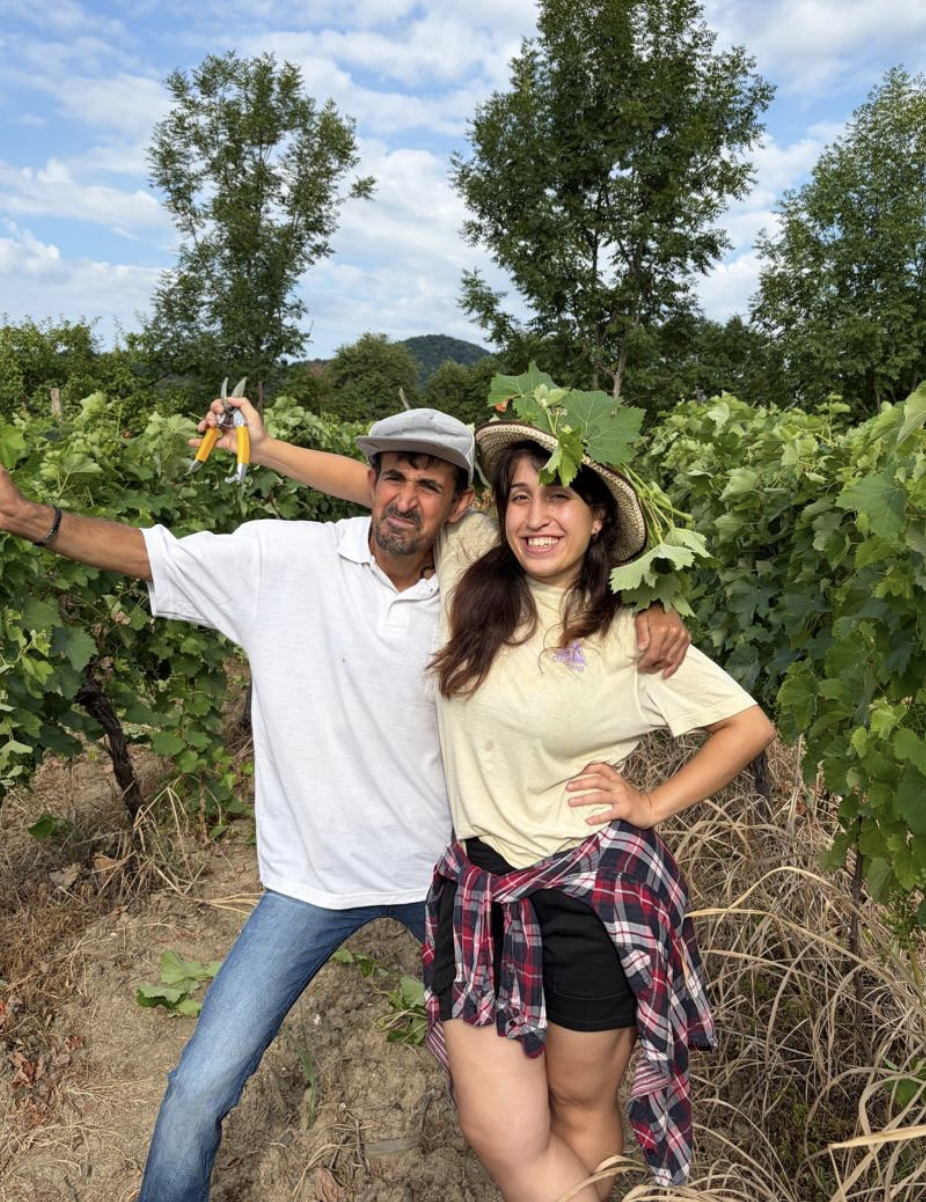 Image 2 of 4
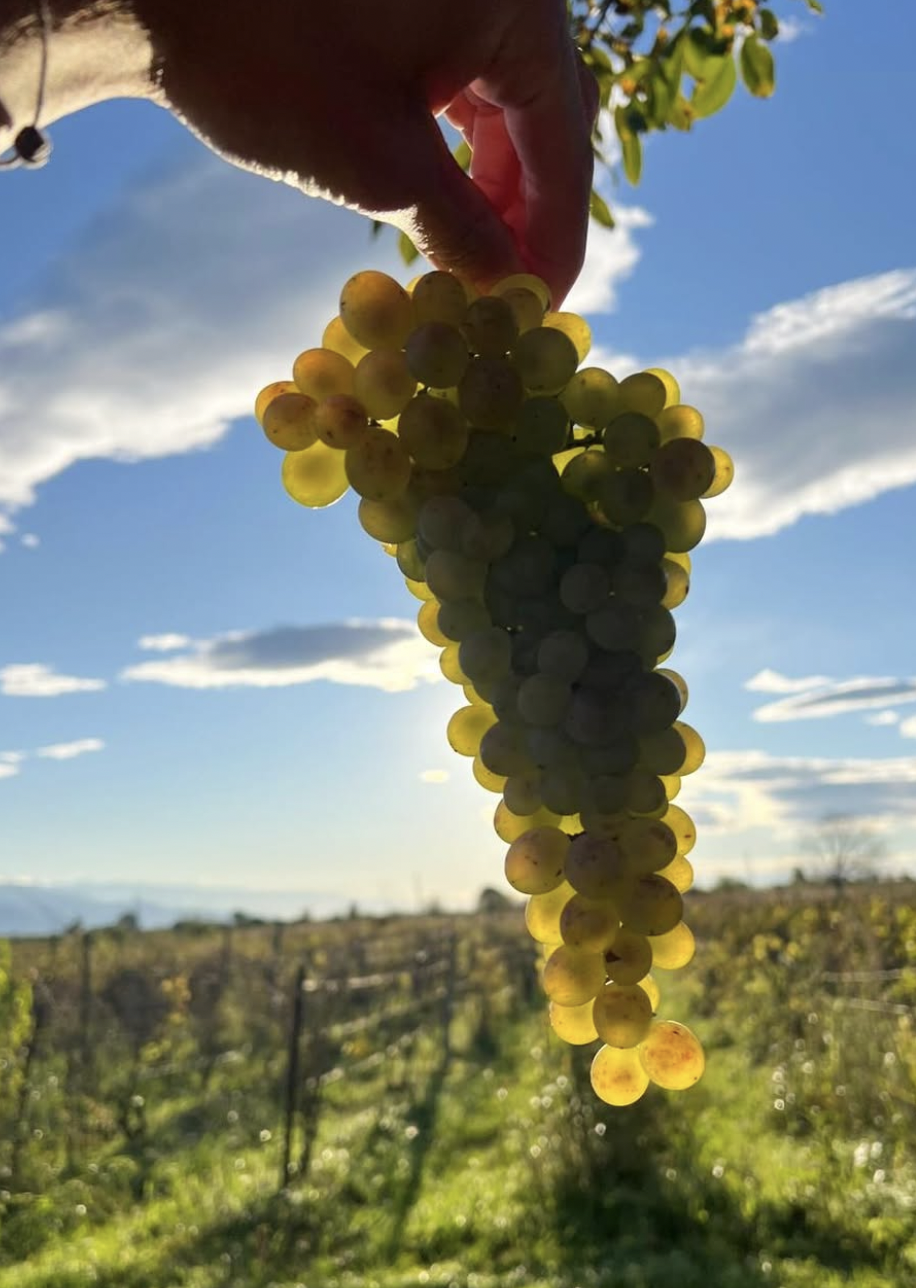 Image 3 of 4
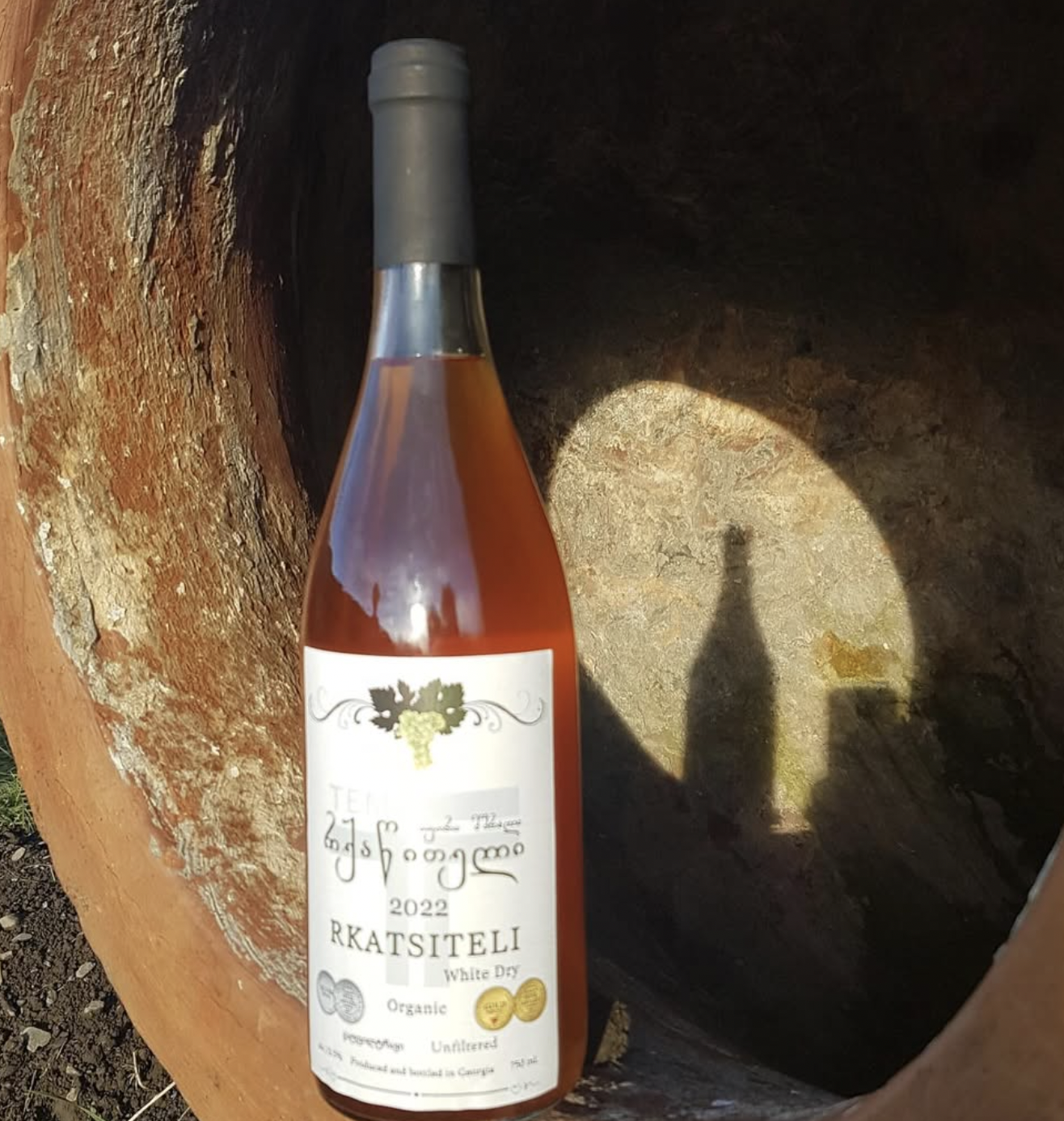 Image 4 of 4
Temi Community, Gremi village, Kakheti, Georgia, and a winery that’s also a whole lot more than a winery. It’s a social enterprise, wine and garden together, making natural wines and growing organic fruit and vegetables, with every cent from visitor experiences feeding back into the community’s work. The wine is only part of the story, and honestly that’s what makes it so good.
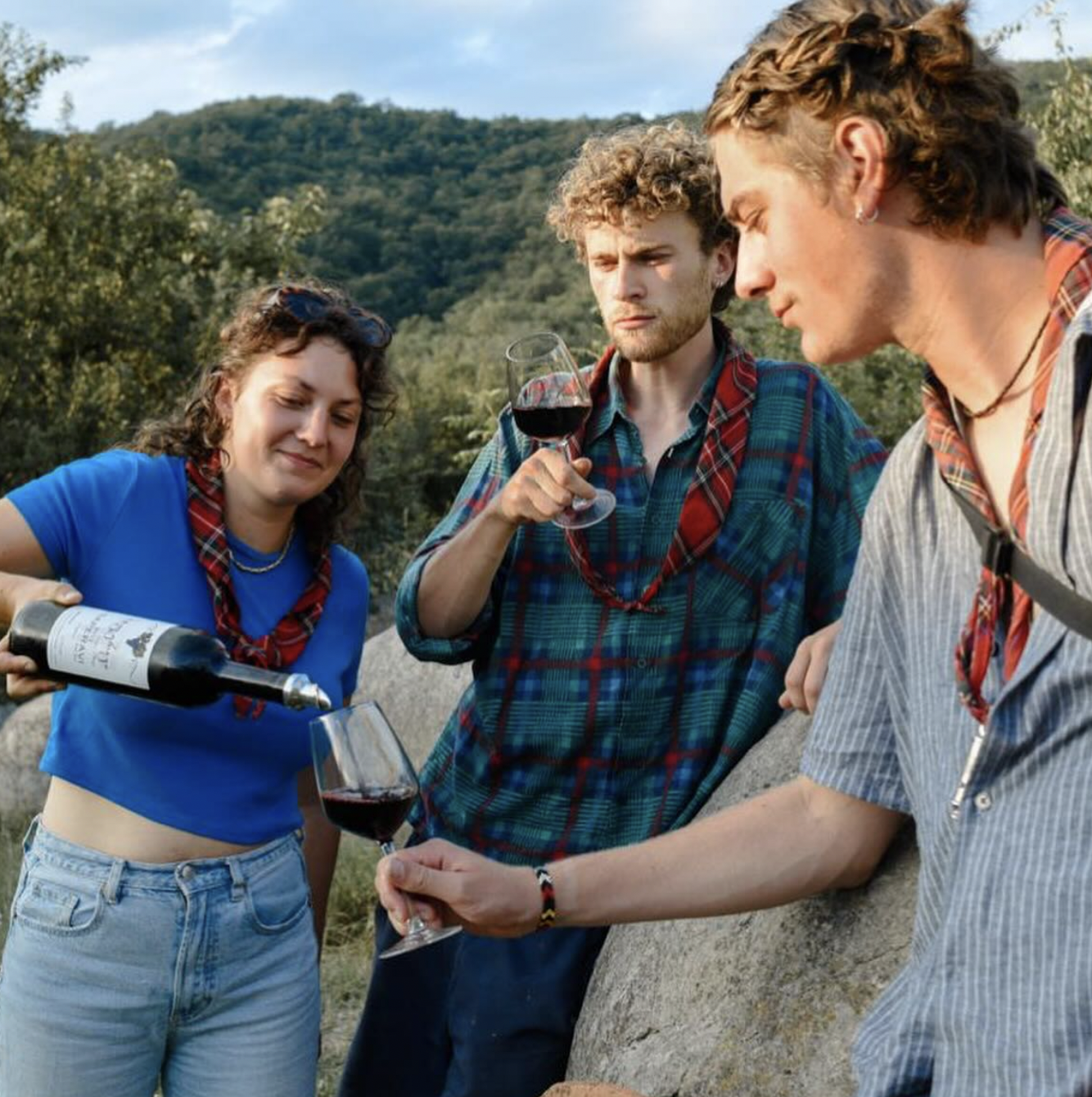
Sits in the Kindzmarauli Grand Cru microzone, one of Georgia’s great red wine pockets, with Saperavi and Rkatsiteli doing the main work, plus chacha, the grape spirit that’s practically a national handshake. Reds, amber wines, spirits, all certified organic, all bottled and sold at the winery and across Georgia, and increasingly getting recognition both at home and abroad.
What gets visitors talking isn’t just the wine, though, it’s the place. Vegetarian meals built around organic produce, eggplant rolls that people rave about, bread-baking classes, garden workshops, volunteers explaining how the whole community operates. Tina, the heart of the place, is mentioned over and over in reviews for the warmth of her hospitality. And the wine, as one visitor put it, doesn’t taste like average wine.
It’s a model I find genuinely inspiring. A winery as a force for something bigger, tied up with food, farming, people and purpose, rather than just a label and a tasting room. Georgia’s 8,000-year winemaking tradition, still going strong, now with a very human face.
Pull up a chair, break some bread, drink the amber. This is wine with a point.
Temi Community, Gremi village, Kakheti, Georgia, and a winery that’s also a whole lot more than a winery. It’s a social enterprise, wine and garden together, making natural wines and growing organic fruit and vegetables, with every cent from visitor experiences feeding back into the community’s work. The wine is only part of the story, and honestly that’s what makes it so good.
Sits in the Kindzmarauli Grand Cru microzone, one of Georgia’s great red wine pockets, with Saperavi and Rkatsiteli doing the main work, plus chacha, the grape spirit that’s practically a national handshake. Reds, amber wines, spirits, all certified organic, all bottled and sold at the winery and across Georgia, and increasingly getting recognition both at home and abroad.
What gets visitors talking isn’t just the wine, though, it’s the place. Vegetarian meals built around organic produce, eggplant rolls that people rave about, bread-baking classes, garden workshops, volunteers explaining how the whole community operates. Tina, the heart of the place, is mentioned over and over in reviews for the warmth of her hospitality. And the wine, as one visitor put it, doesn’t taste like average wine.
It’s a model I find genuinely inspiring. A winery as a force for something bigger, tied up with food, farming, people and purpose, rather than just a label and a tasting room. Georgia’s 8,000-year winemaking tradition, still going strong, now with a very human face.
Pull up a chair, break some bread, drink the amber. This is wine with a point.