
 Image 1 of 5
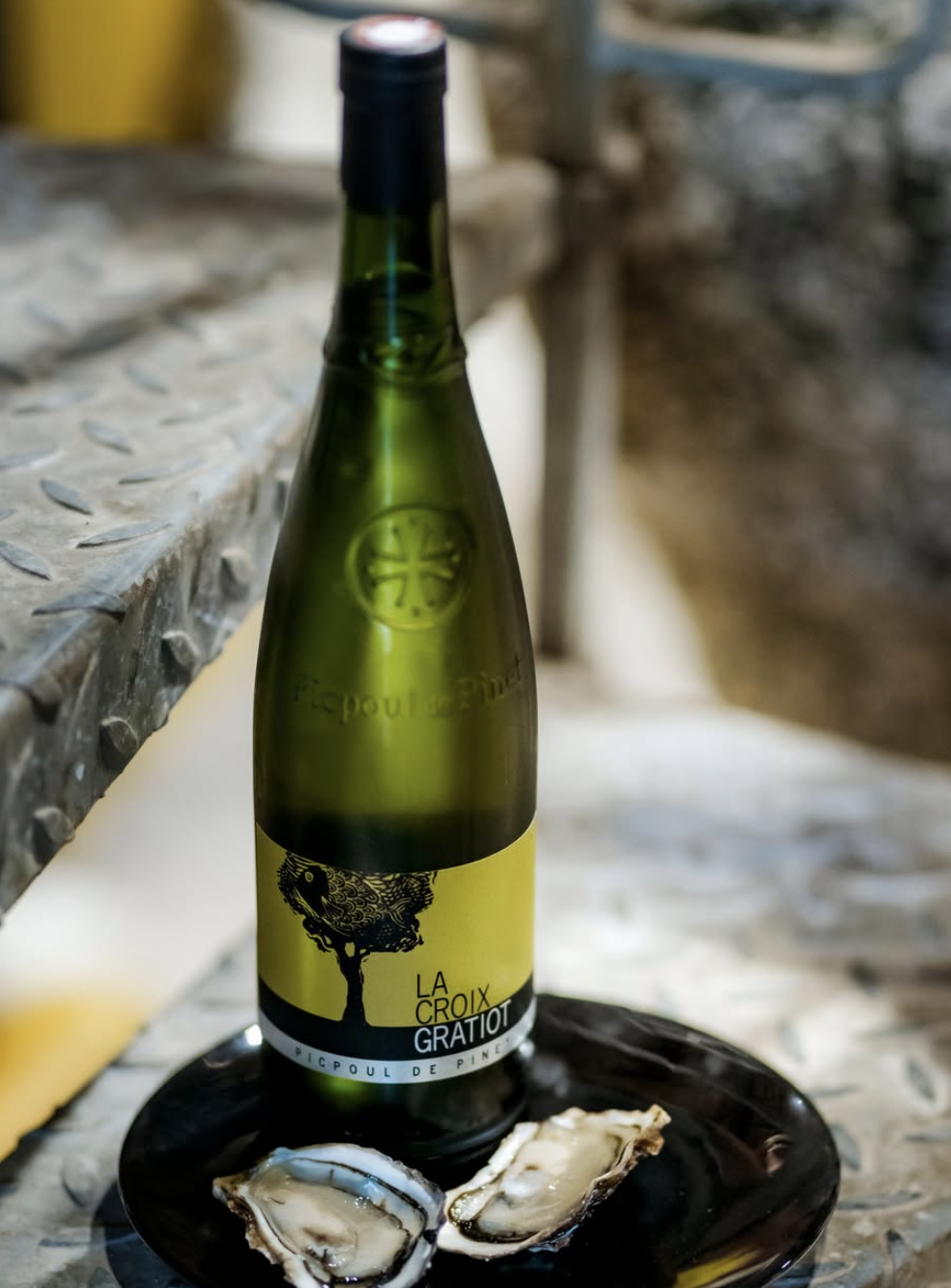 Image 2 of 5
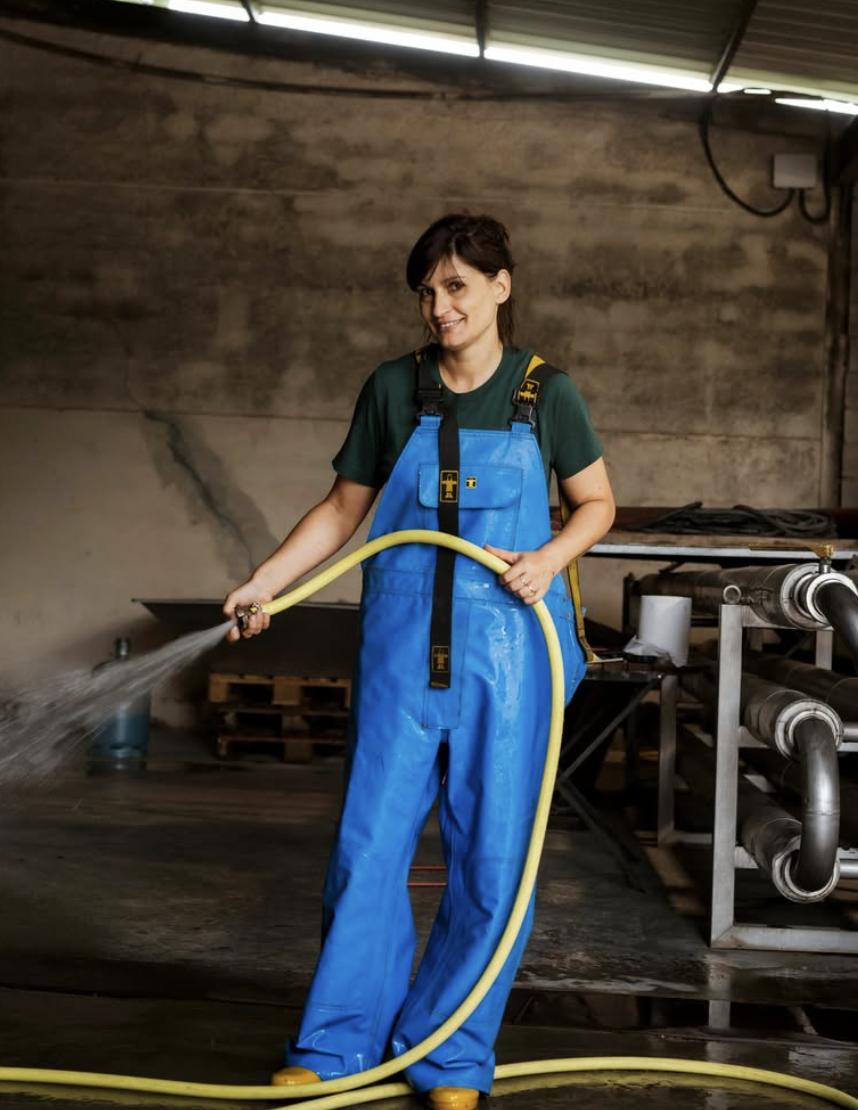 Image 3 of 5
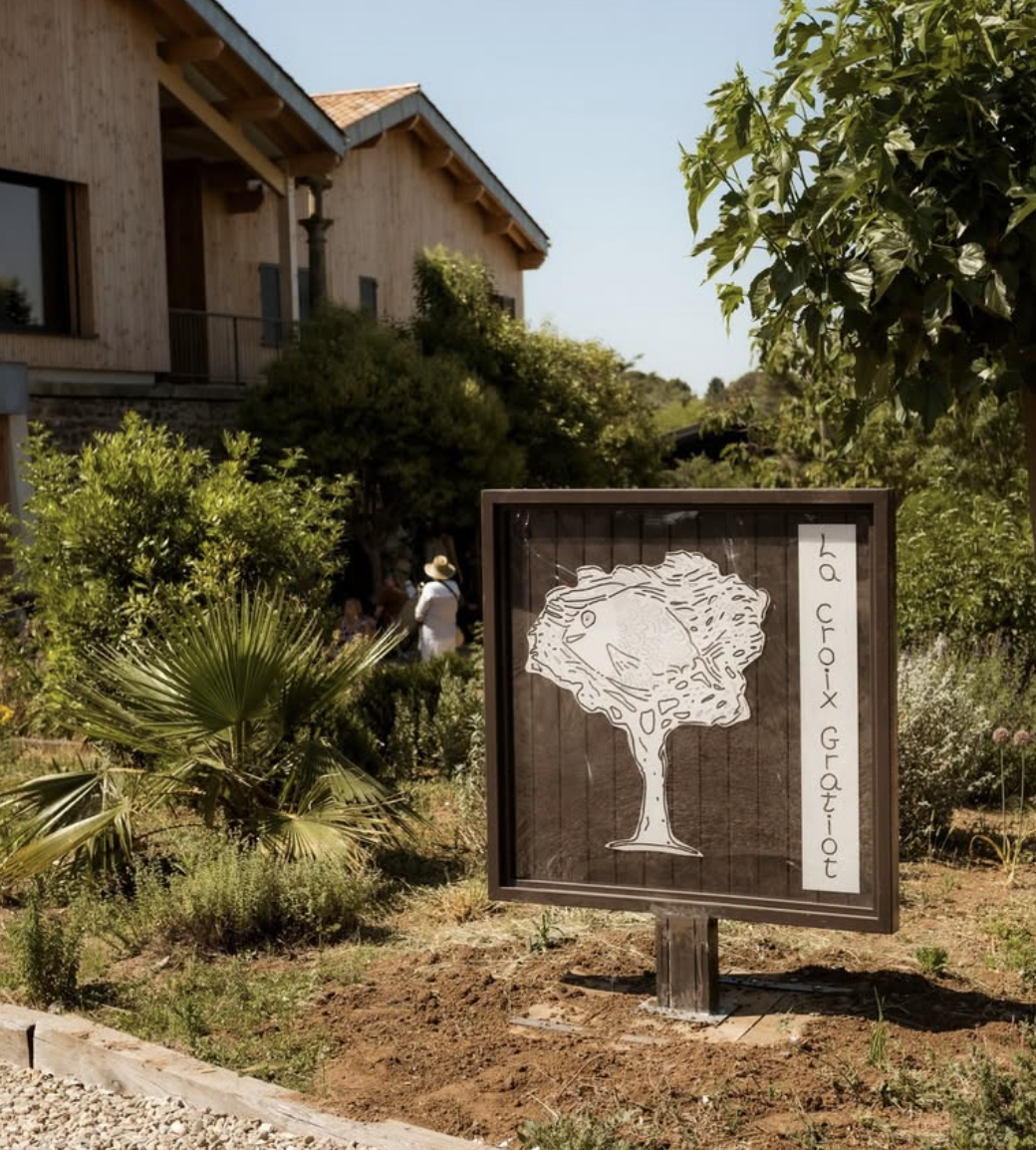 Image 4 of 5
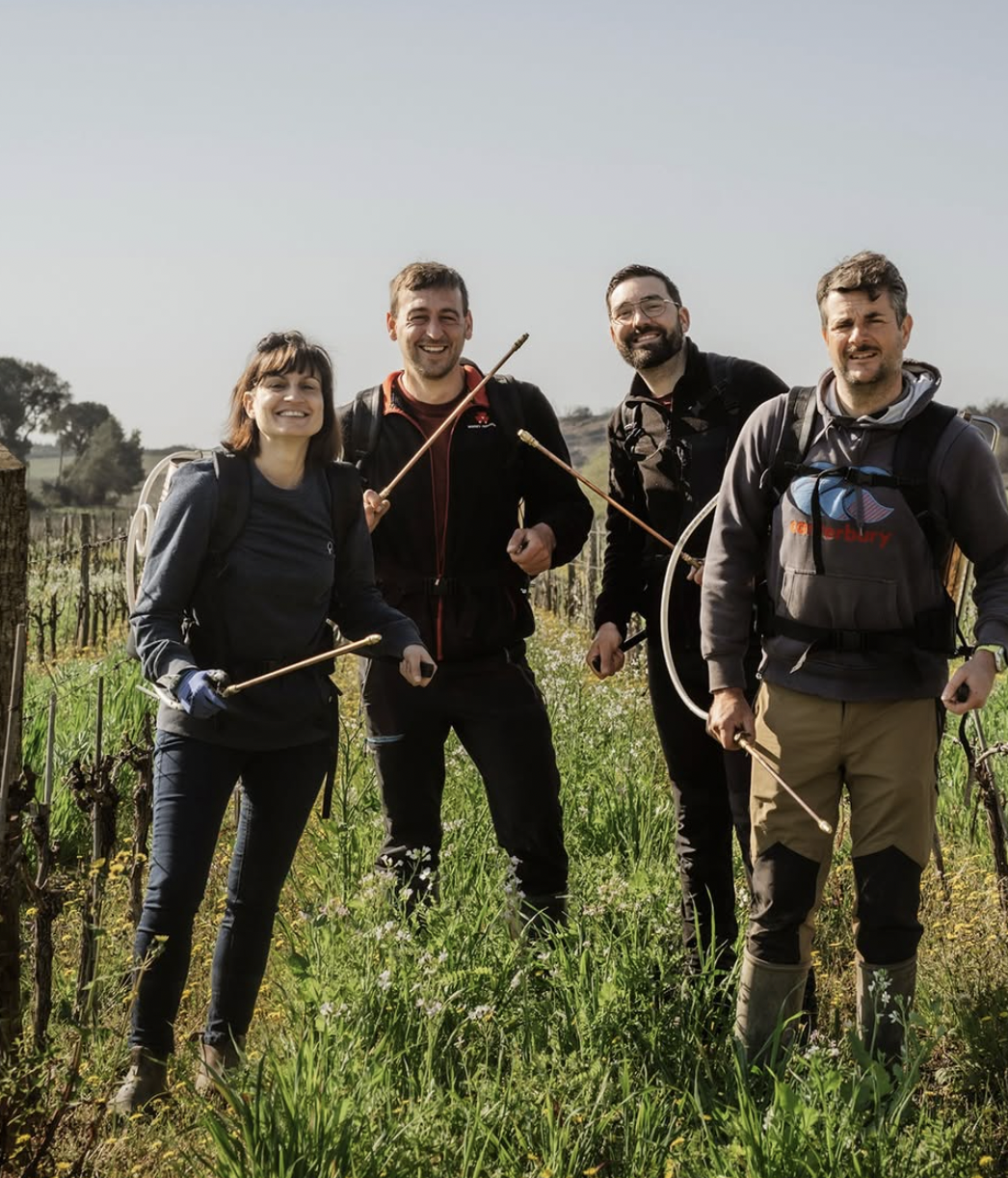 Image 5 of 5
La Croix Gratiot, Montagnac, Hérault, Languedoc, a patch of clay-limestone hills sitting between the Thau Basin and a skirt of pine forest, with sea breezes drifting through and garrigue scents seasoning everything. It’s right in the heart of Picpoul de Pinet country, which is usually shorthand for easy summer oysters and not much else. This estate has other ideas.
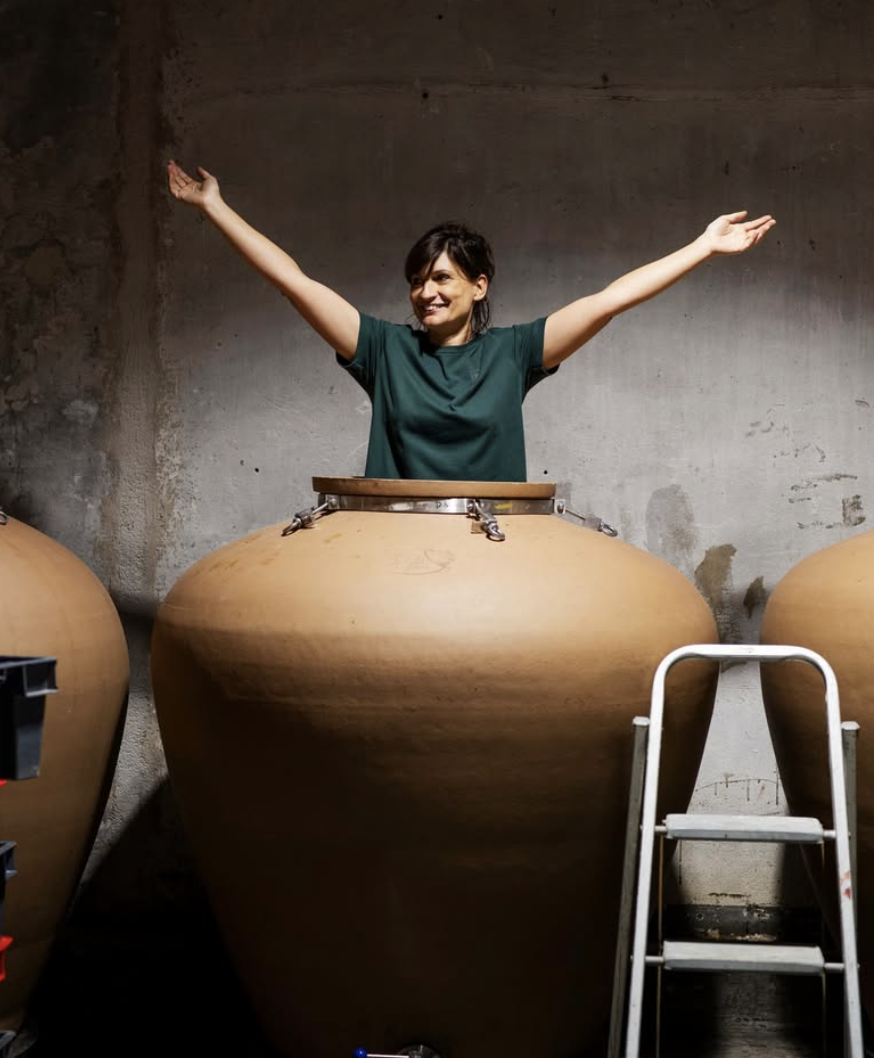
The Ricome family has been here for decades, brothers Yves and Hugues working 35 hectares for over thirty years, and the estate was a melon-growing, co-op-supplying operation until a big shift in 2004 when they built their own cellar. Yves started bottling his own wine in 2005, and these days it’s his daughter Anaïs running the show, driving a transition to biodynamic farming and certified organic since the 2021 vintage. La Revue du Vin de France called it “the pinnacle of Picpoul de Pinet,” which is a heck of a thing to hear about a grape most people don’t take seriously.
The range is a lot more playful than you’d expect. Bréchallune and Syndical for Picpoul in two different registers. Le Chant des Dolia, Roussanne and Vermentino in equal measure, raised in jar, tactile, fleshy and a little bitter in the best way. Roséphine, a savoury pink with blackcurrant and raspberry and a salty finish. And Les Zazous, a Pinot Noir from the Hérault, because why not.
Anaïs talks about the estate as a crossroads, where conviviality and creativity meet, with festive events and artistic collaborations woven into how things work. A little music, a little art, a lot of good drinking. My kind of place.
Picpoul pushed beyond the cliché, and a young vigneronne with something to say.