
 Image 1 of 5
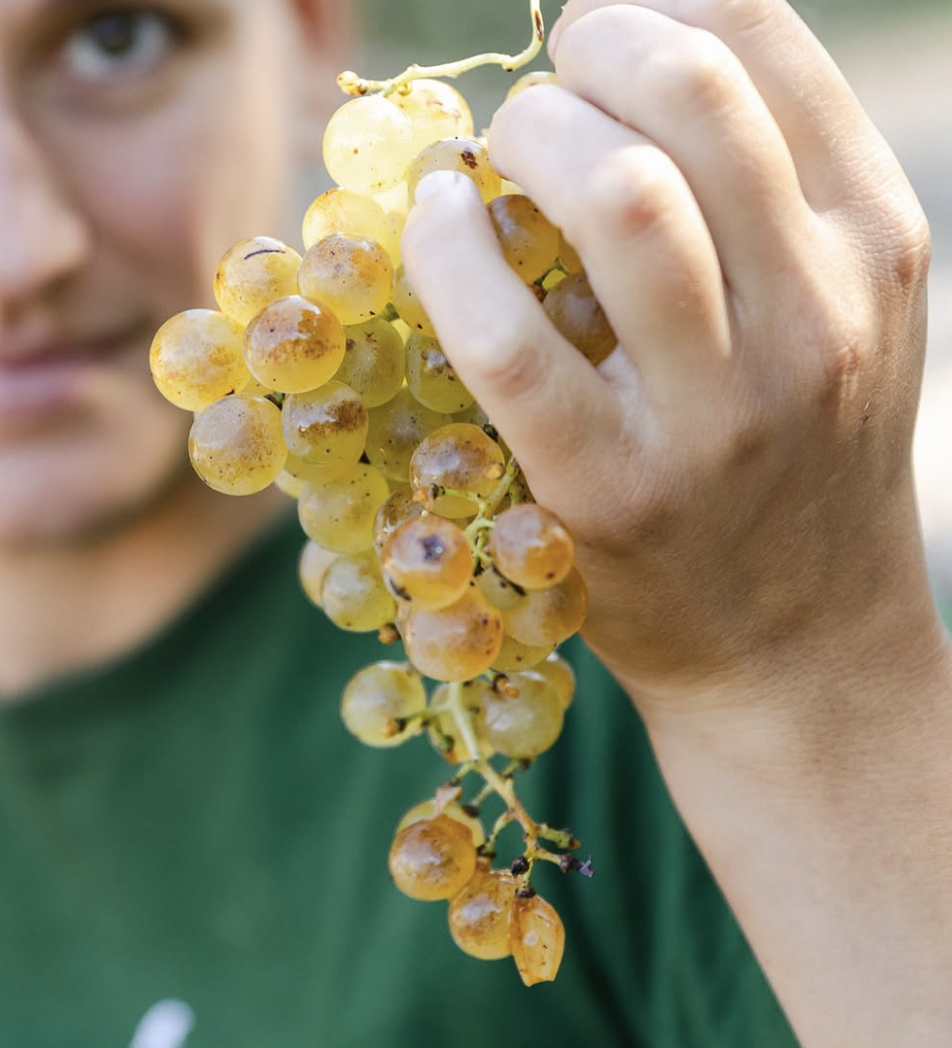 Image 2 of 5
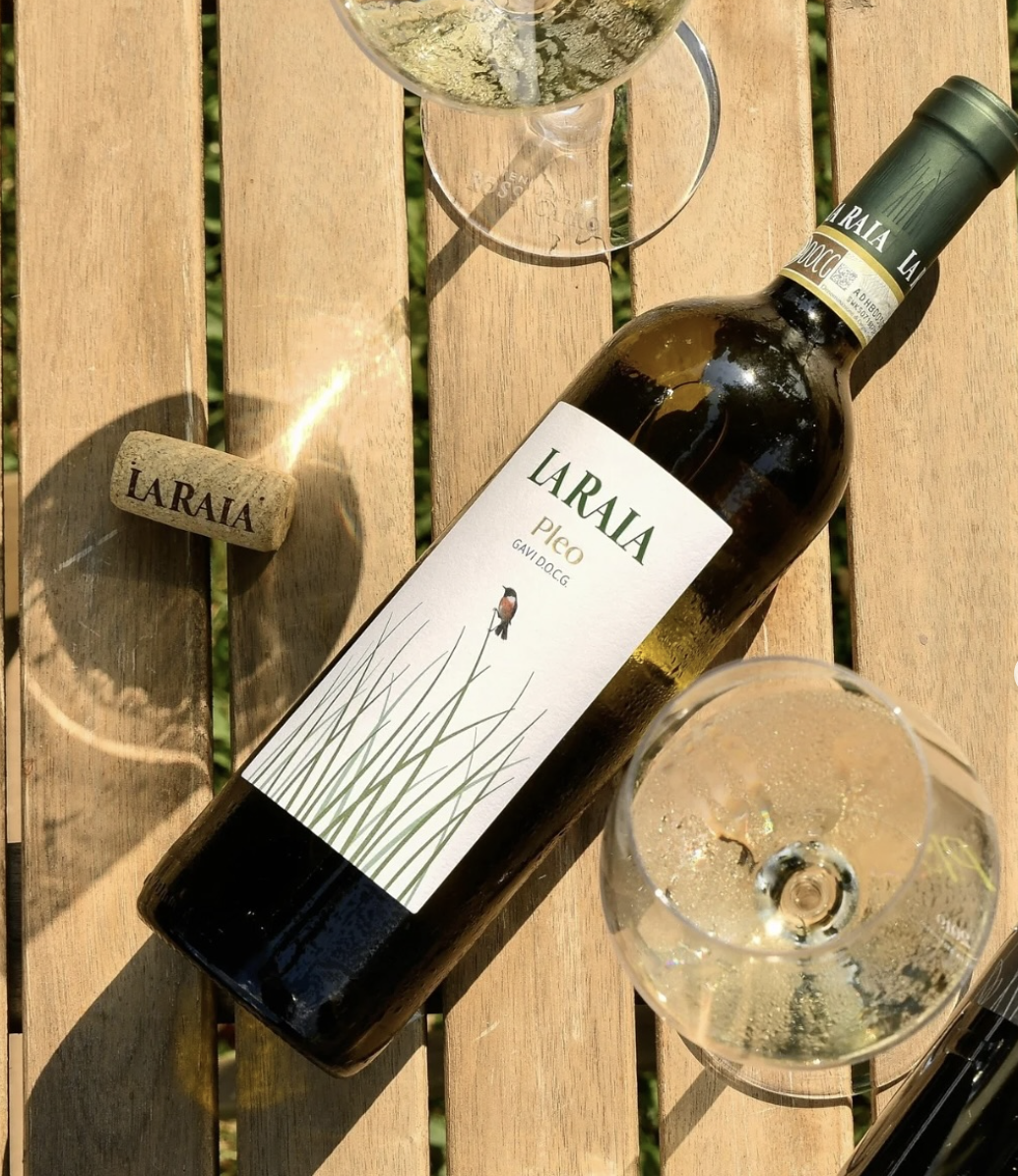 Image 3 of 5
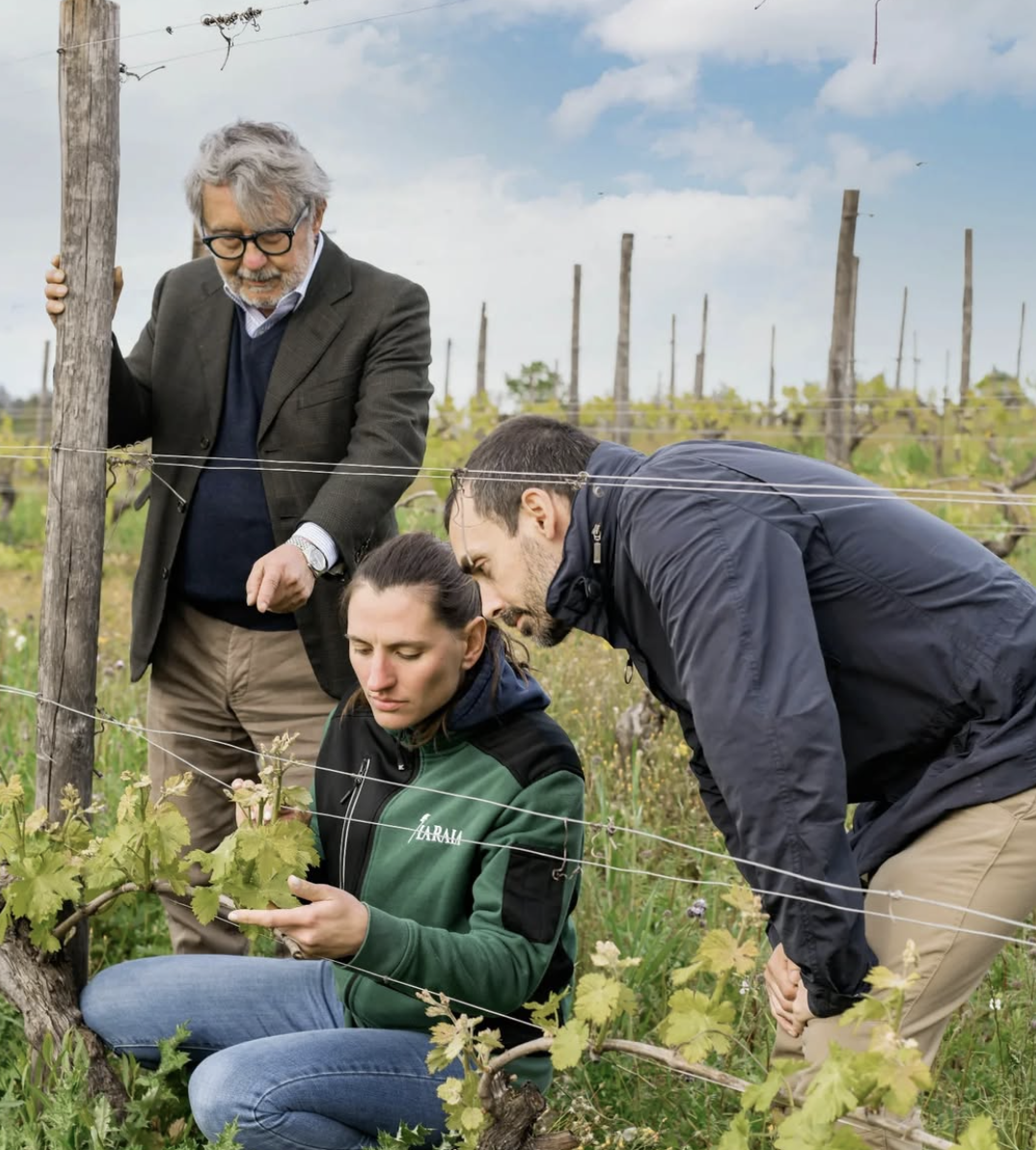 Image 4 of 5
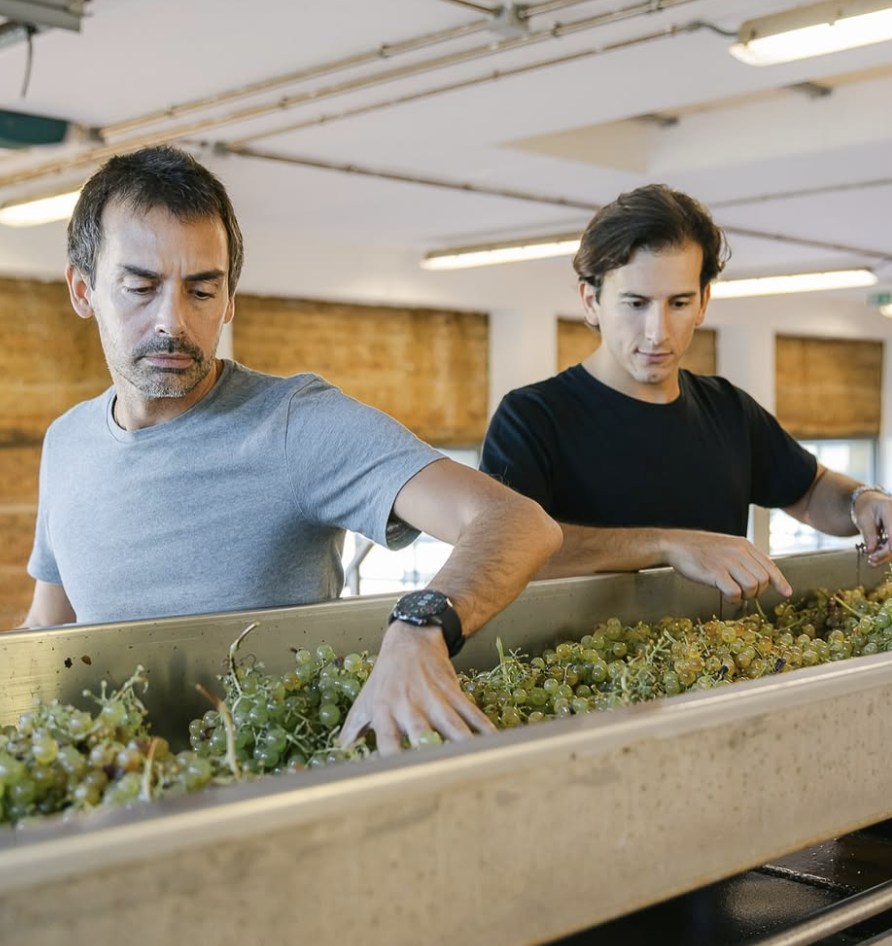 Image 5 of 5
La Raia is a Demeter-certified biodynamic estate in the heart of Gavi's hills, in Novi Ligure, Piedmont—a corner of southeastern Piedmont with a long-standing wine tradition, shaped by a unique microclimate that has long favored Cortese. Purchased by the Rossi Cairo family in 2002, the property spans roughly 200 hectares, with somewhere between 45 and 65 hectares under vine depending on the year, and the remainder given over to cereal fields, pastures, and woodlands of chestnut, elderflower, and acacia, along with two small lakes and grazing Fassone cattle.
Piero Rossi Cairo's guiding aim from the start was to recover and enhance the estate's original ecosystem through biodynamic principles, and La Raia has held Demeter certification since 2007. Alongside the vineyard work, the winery itself was rebuilt using the traditional pisé, or rammed-earth, technique historic to Novi Ligure, its cellar facade left as a striking, textured wall of compacted local earth. That same ecological philosophy has turned the estate into a genuine biodiversity haven, generating not only wine but acacia, multi-flower, and woodland honey from the bees and pollinators the property now supports.
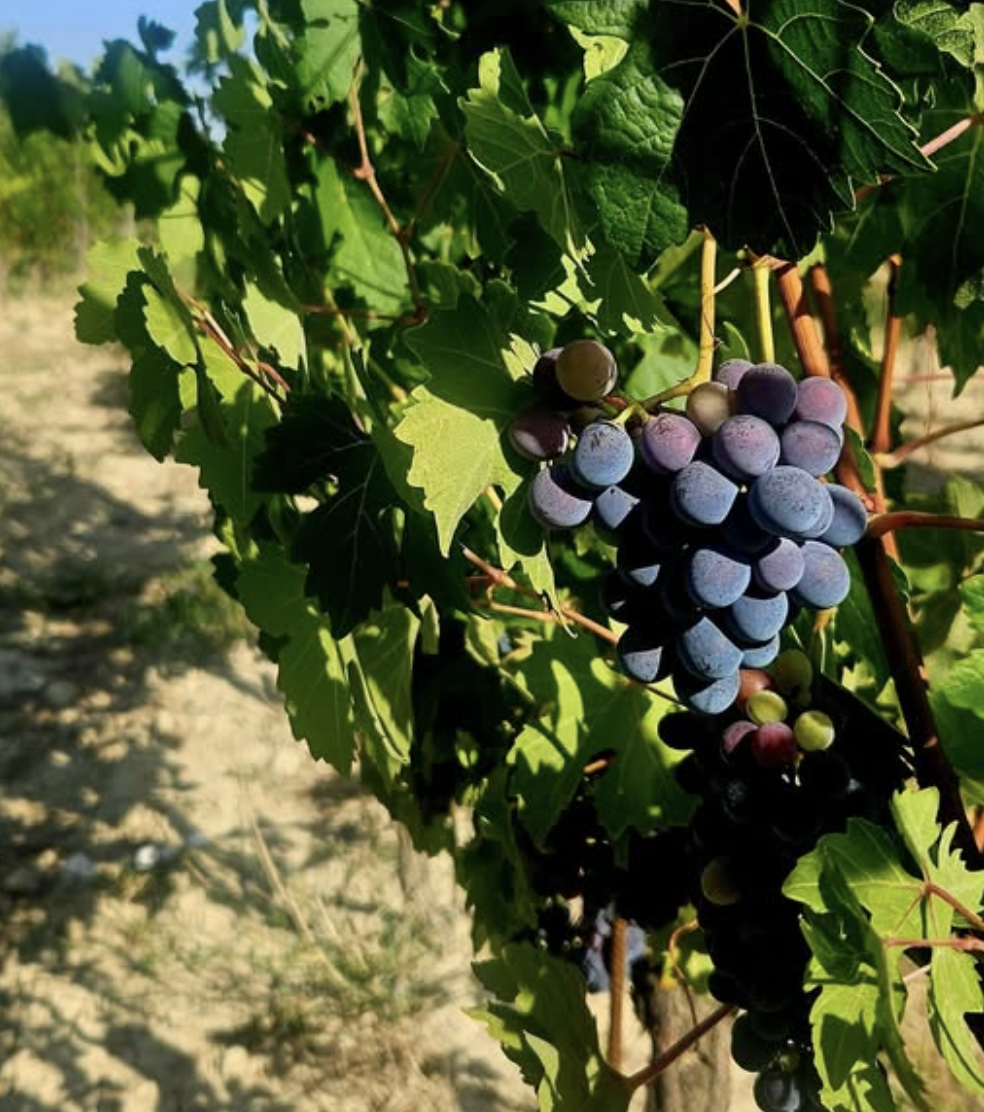
The vineyards themselves sit on clay-limestone soils, planted mainly to indigenous Cortese alongside Barbera, with vine age ranging from 9 to 70 years. Everything is hand-picked and carefully sorted, farmed without synthetic fertilizers, pesticides, or herbicides, and vinified under head oenologist Piero Ballario with minimal winemaking additives, preserving the fruit's natural clarity. As importer Rosenthal Wine Merchant puts it, La Raia isn't chasing a boundary-pushing "auteur" style of Gavi—rather, it captures the fresh, mineral-driven likability the appellation is known for, but with real depth and energy rarely found at that level.
Beyond wine, La Raia's reach extends into art and ideas: in 2013 the family established the La Raia Foundation, inviting artists, photographers, and philosophers to engage critically with the landscape, and permanent installations by artists including Remo Salvadori and Koo Jeong now sit scattered across the estate. It's a project that treats vineyard, farm, and cultural space as one continuous ecosystem—biodynamic farming as a philosophy of place, not just a production method.
THE WINES
La Raia's range centers on two grapes—Cortese and Barbera—grown on the same clay-limestone soils that have made Gavi one of Piedmont's most reliable white wine names, but handled with a depth and energy the family believes biodynamic farming alone can unlock. Gavi D.O.C.G. Pisé, named for the rammed-earth building technique used in the winery itself, offers a pure, textbook expression of Cortese: crisp citrus, green apple, and white-flower aromatics lifted by a fine, saline minerality, with the cool Gavi hills lending real finesse and a clean, refreshing finish suited to seafood or simple, elegant food pairings.
Gavi D.O.C.G. Riserva Vigna Madonnina steps up in structure and ambition, drawn from a single named vineyard and built for longer aging—showing the same mineral backbone as the base Gavi but with greater concentration and a more serious, contemplative character. Pleo, a further Gavi bottling, rounds out the white range, each cuvée reflecting a slightly different plot or approach within the estate's biodynamic vineyards.
On the red side, Piemonte Barbera Largé leads the estate's Barbera production, showing the variety's characteristic bright acidity and dark fruit given added vitality and evolution potential by the biodynamic farming Piero Rossi Cairo credits with drawing out Gavi's fuller personality. A second Barbera bottling continues that same philosophy, offering another lens on the grape grown across La Raia's varied plots.
Across the board, what distinguishes these wines from typical, easy-drinking Gavi and Barbera isn't radical winemaking—there's no wild orange skin-contact experimentation here—but rather unusual depth for the category, achieved through meticulous biodynamic farming, hand-harvesting, minimal additives, and grapes grown within a genuinely biodiverse ecosystem of woodland, pasture, and pollinators. The result is wine capturing everything likable about Gavi, elevated by real seriousness underneath the freshness.
La Raia is a Demeter-certified biodynamic estate in the heart of Gavi's hills, in Novi Ligure, Piedmont—a corner of southeastern Piedmont with a long-standing wine tradition, shaped by a unique microclimate that has long favored Cortese. Purchased by the Rossi Cairo family in 2002, the property spans roughly 200 hectares, with somewhere between 45 and 65 hectares under vine depending on the year, and the remainder given over to cereal fields, pastures, and woodlands of chestnut, elderflower, and acacia, along with two small lakes and grazing Fassone cattle.
Piero Rossi Cairo's guiding aim from the start was to recover and enhance the estate's original ecosystem through biodynamic principles, and La Raia has held Demeter certification since 2007. Alongside the vineyard work, the winery itself was rebuilt using the traditional pisé, or rammed-earth, technique historic to Novi Ligure, its cellar facade left as a striking, textured wall of compacted local earth. That same ecological philosophy has turned the estate into a genuine biodiversity haven, generating not only wine but acacia, multi-flower, and woodland honey from the bees and pollinators the property now supports.
The vineyards themselves sit on clay-limestone soils, planted mainly to indigenous Cortese alongside Barbera, with vine age ranging from 9 to 70 years. Everything is hand-picked and carefully sorted, farmed without synthetic fertilizers, pesticides, or herbicides, and vinified under head oenologist Piero Ballario with minimal winemaking additives, preserving the fruit's natural clarity. As importer Rosenthal Wine Merchant puts it, La Raia isn't chasing a boundary-pushing "auteur" style of Gavi—rather, it captures the fresh, mineral-driven likability the appellation is known for, but with real depth and energy rarely found at that level.
Beyond wine, La Raia's reach extends into art and ideas: in 2013 the family established the La Raia Foundation, inviting artists, photographers, and philosophers to engage critically with the landscape, and permanent installations by artists including Remo Salvadori and Koo Jeong now sit scattered across the estate. It's a project that treats vineyard, farm, and cultural space as one continuous ecosystem—biodynamic farming as a philosophy of place, not just a production method.
THE WINES
La Raia's range centers on two grapes—Cortese and Barbera—grown on the same clay-limestone soils that have made Gavi one of Piedmont's most reliable white wine names, but handled with a depth and energy the family believes biodynamic farming alone can unlock. Gavi D.O.C.G. Pisé, named for the rammed-earth building technique used in the winery itself, offers a pure, textbook expression of Cortese: crisp citrus, green apple, and white-flower aromatics lifted by a fine, saline minerality, with the cool Gavi hills lending real finesse and a clean, refreshing finish suited to seafood or simple, elegant food pairings.
Gavi D.O.C.G. Riserva Vigna Madonnina steps up in structure and ambition, drawn from a single named vineyard and built for longer aging—showing the same mineral backbone as the base Gavi but with greater concentration and a more serious, contemplative character. Pleo, a further Gavi bottling, rounds out the white range, each cuvée reflecting a slightly different plot or approach within the estate's biodynamic vineyards.
On the red side, Piemonte Barbera Largé leads the estate's Barbera production, showing the variety's characteristic bright acidity and dark fruit given added vitality and evolution potential by the biodynamic farming Piero Rossi Cairo credits with drawing out Gavi's fuller personality. A second Barbera bottling continues that same philosophy, offering another lens on the grape grown across La Raia's varied plots.
Across the board, what distinguishes these wines from typical, easy-drinking Gavi and Barbera isn't radical winemaking—there's no wild orange skin-contact experimentation here—but rather unusual depth for the category, achieved through meticulous biodynamic farming, hand-harvesting, minimal additives, and grapes grown within a genuinely biodiverse ecosystem of woodland, pasture, and pollinators. The result is wine capturing everything likable about Gavi, elevated by real seriousness underneath the freshness.