Les Vignes du Vingabond — Kientzheim, near Kaysersberg in Alsace, run solo by Florian Spannagel, and a lovely little "quiet revolution" of a domaine. He took over his grandfather's tiny 1.3-hectare patch back in 2017, fourth generation in the family, growing up around it his whole life. Fifty years of conventional bottling before he arrived — he flipped the whole thing, working alone by hand across what's now three hectares, certified organic since 2021.
Sites don't get much better either — Grand Cru Schlossberg on granite, Altenbourg and Furstentum on clay-limestone. Eighty percent of the soil work done by horse, just two passes a year, light and considered rather than heavy-handed. He leans heavily on herbal teas for plant treatment, which has let him cut copper and sulfur right down. Calls his approach "biodynamic, but not claimed" — acting on instinct and observation rather than chasing a certificate.
In the cellar it's all indigenous yeast, long pressing, minimum thirteen months on total lees in barrel, no filtration, sulfites the only input at all. Seven to ten cuvées in the range, each one tied tightly to a specific lieu-dit — proper "vins de lieux," as he puts it himself. Wines built for precision and energy rather than power, vibrant and honest, sitting right at that intersection of old family knowledge and a genuinely modern, environmentally switched-on mindset.
One man, three hectares, four generations of history, and a whole lot of quiet conviction. Alsace natural wine doesn't get much more sincere than this.
Les Vignes du Vingabond — Kientzheim, near Kaysersberg in Alsace, run solo by Florian Spannagel, and a lovely little "quiet revolution" of a domaine. He took over his grandfather's tiny 1.3-hectare patch back in 2017, fourth generation in the family, growing up around it his whole life. Fifty years of conventional bottling before he arrived — he flipped the whole thing, working alone by hand across what's now three hectares, certified organic since 2021.
Sites don't get much better either — Grand Cru Schlossberg on granite, Altenbourg and Furstentum on clay-limestone. Eighty percent of the soil work done by horse, just two passes a year, light and considered rather than heavy-handed. He leans heavily on herbal teas for plant treatment, which has let him cut copper and sulfur right down. Calls his approach "biodynamic, but not claimed" — acting on instinct and observation rather than chasing a certificate.
In the cellar it's all indigenous yeast, long pressing, minimum thirteen months on total lees in barrel, no filtration, sulfites the only input at all. Seven to ten cuvées in the range, each one tied tightly to a specific lieu-dit — proper "vins de lieux," as he puts it himself. Wines built for precision and energy rather than power, vibrant and honest, sitting right at that intersection of old family knowledge and a genuinely modern, environmentally switched-on mindset.
One man, three hectares, four generations of history, and a whole lot of quiet conviction. Alsace natural wine doesn't get much more sincere than this.

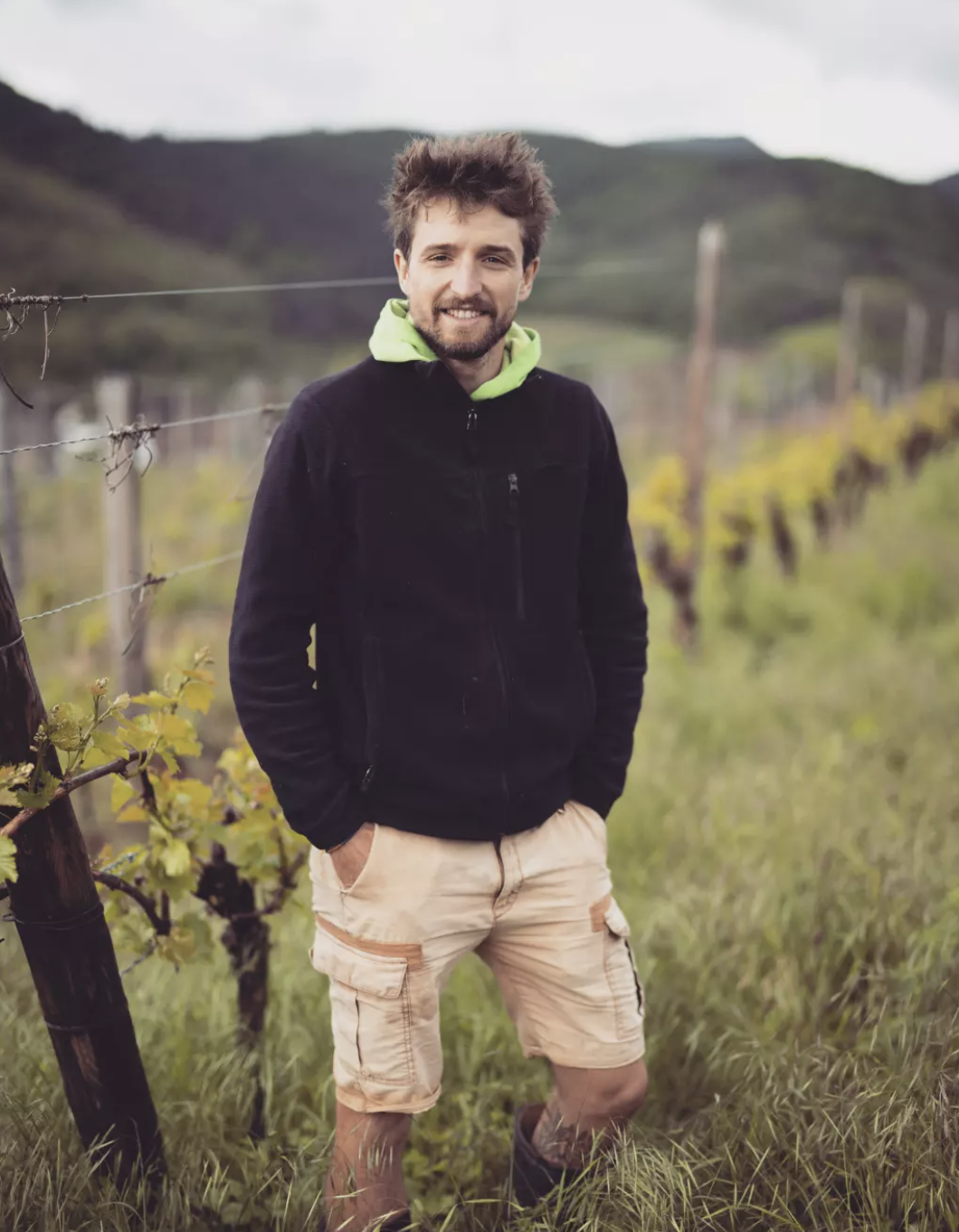 Image 1 of 6
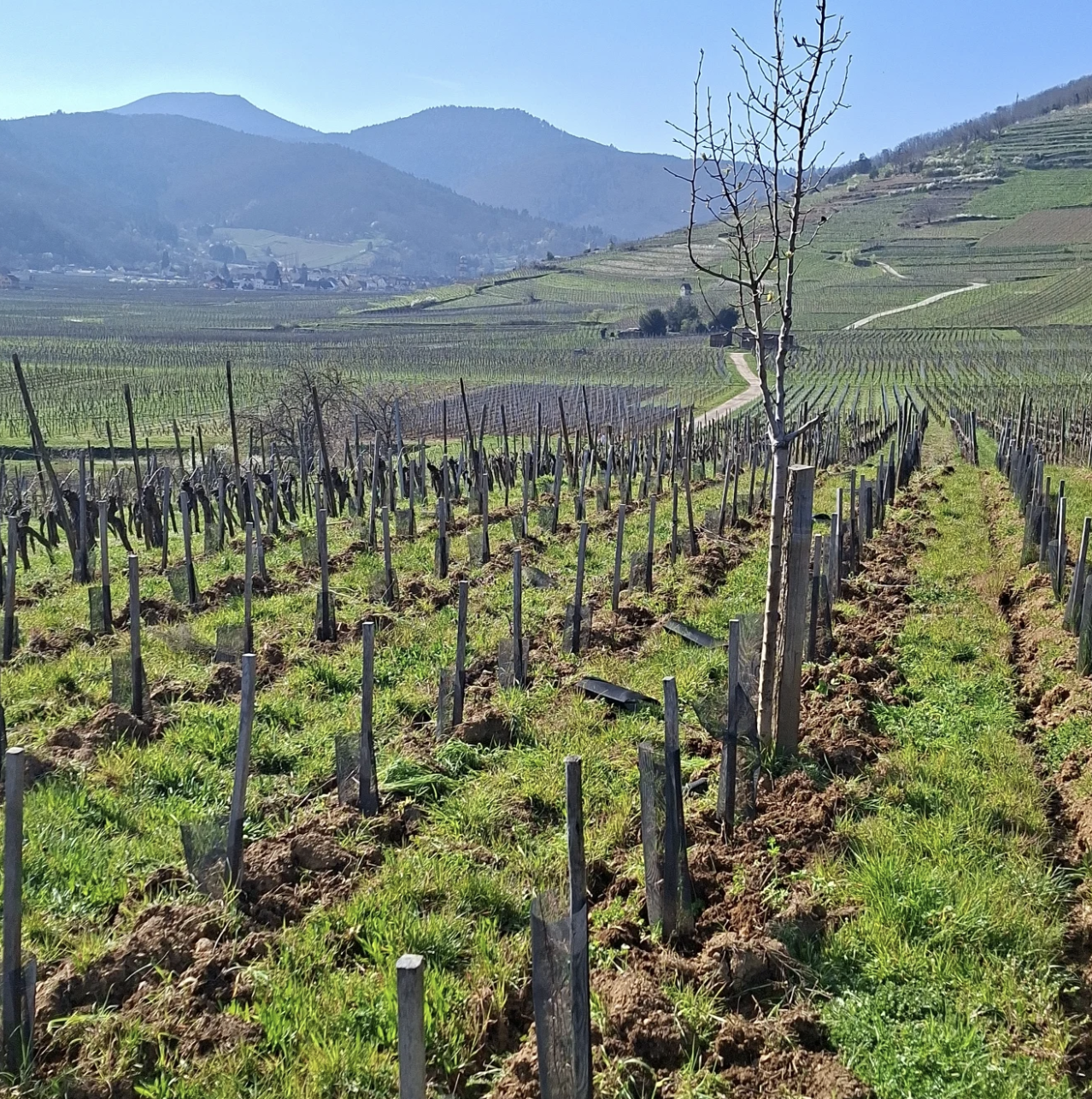 Image 2 of 6
 Image 3 of 6
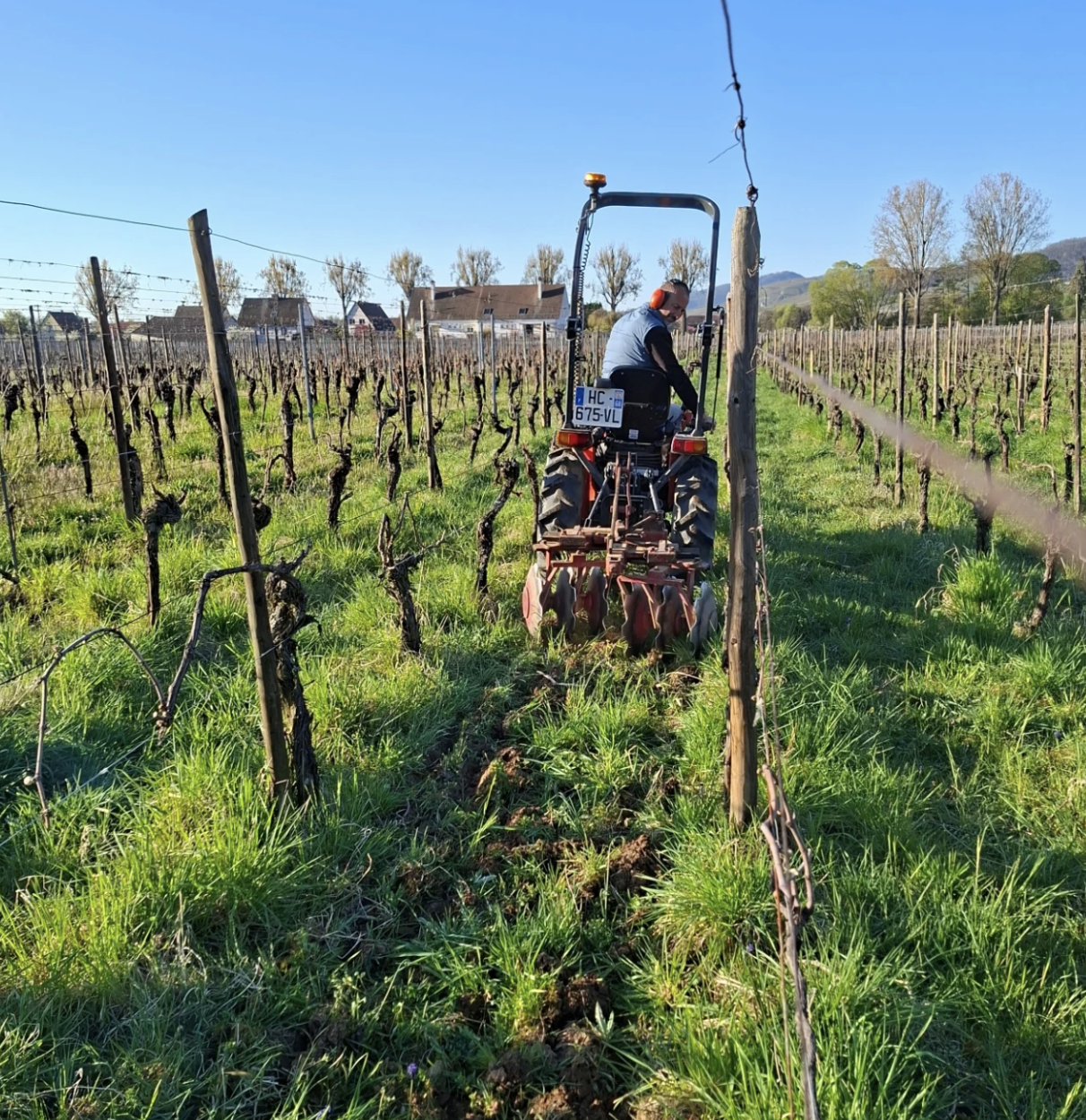 Image 4 of 6
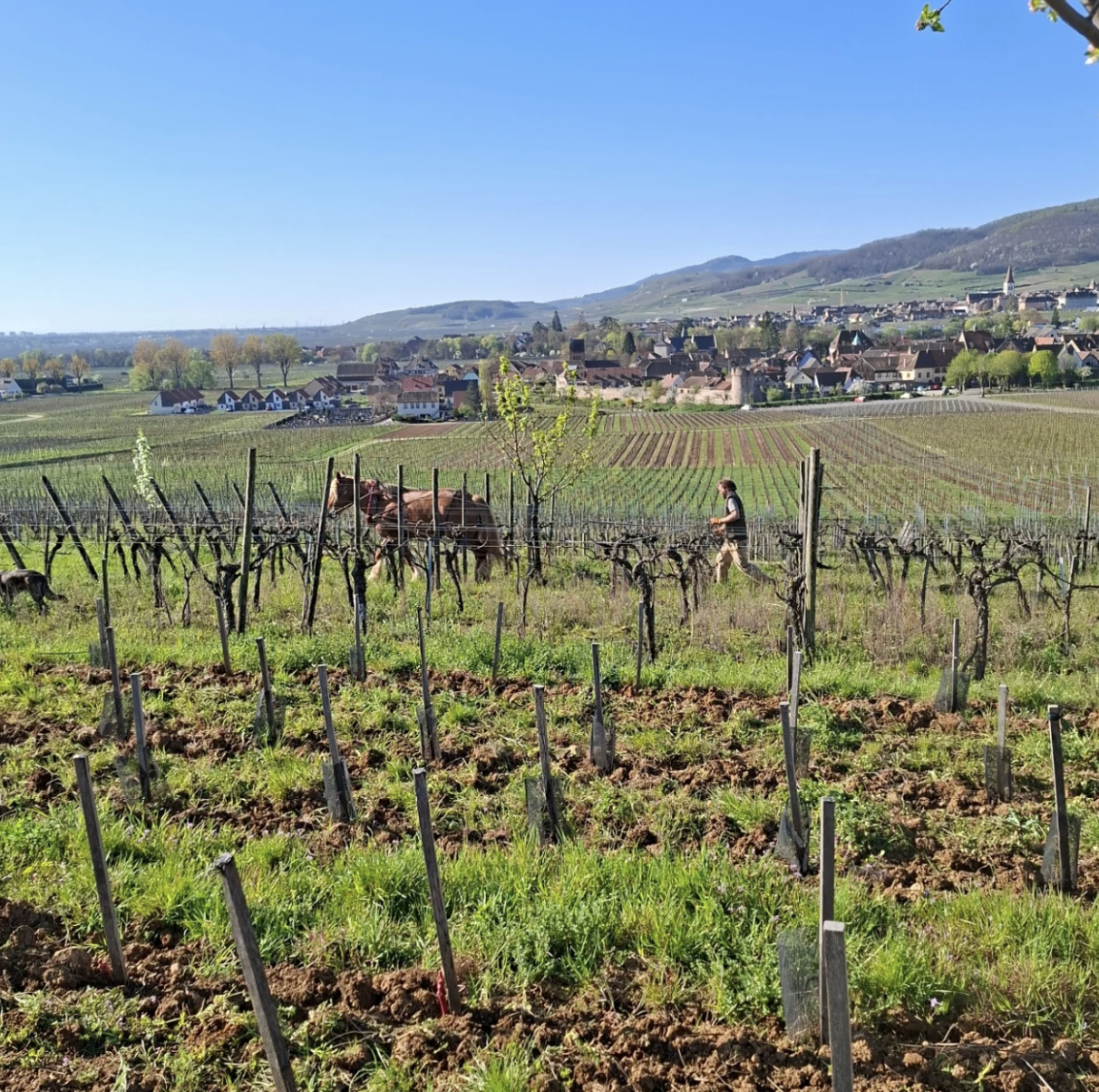 Image 5 of 6
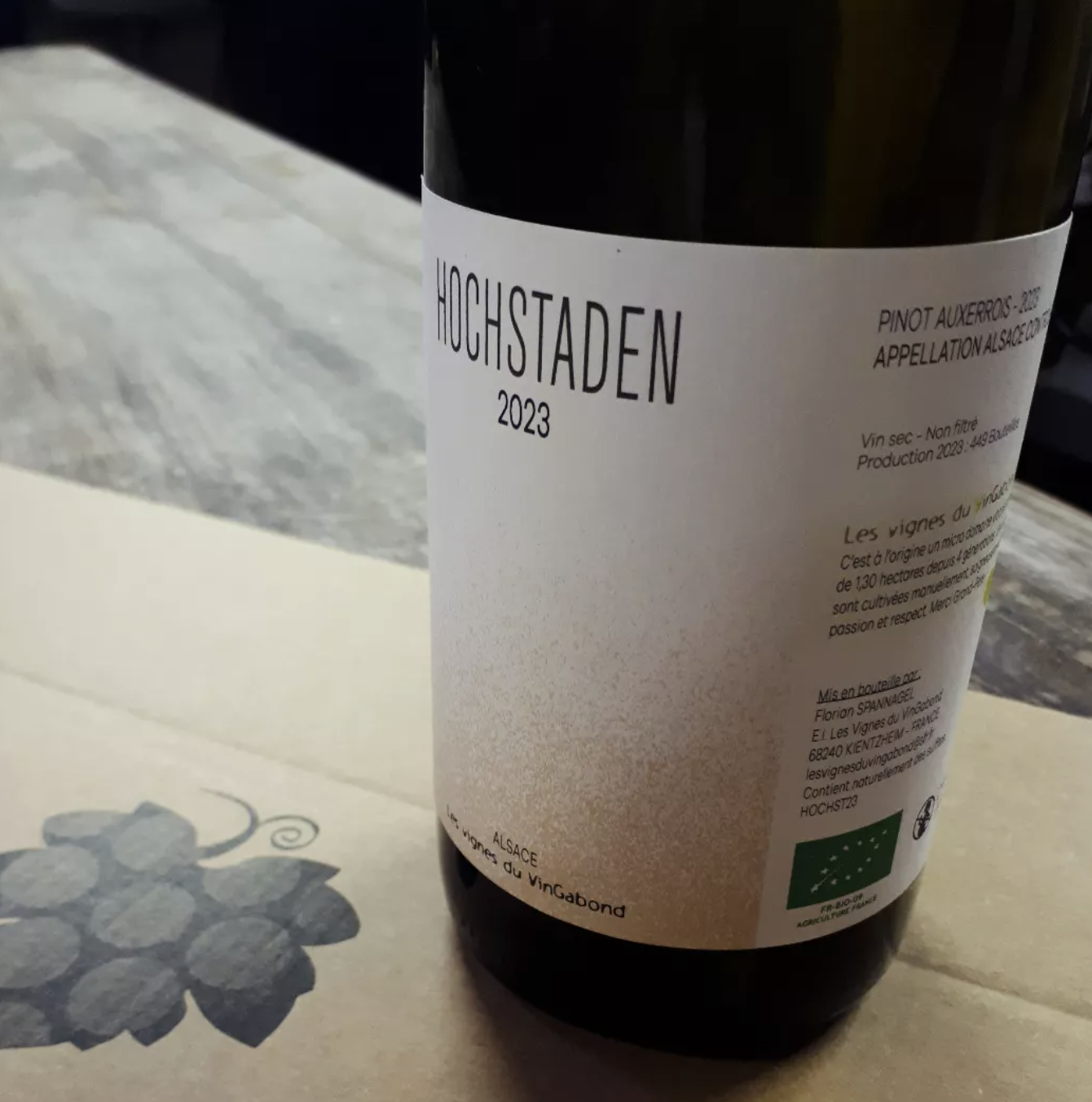 Image 6 of 6