
 Image 1 of 3
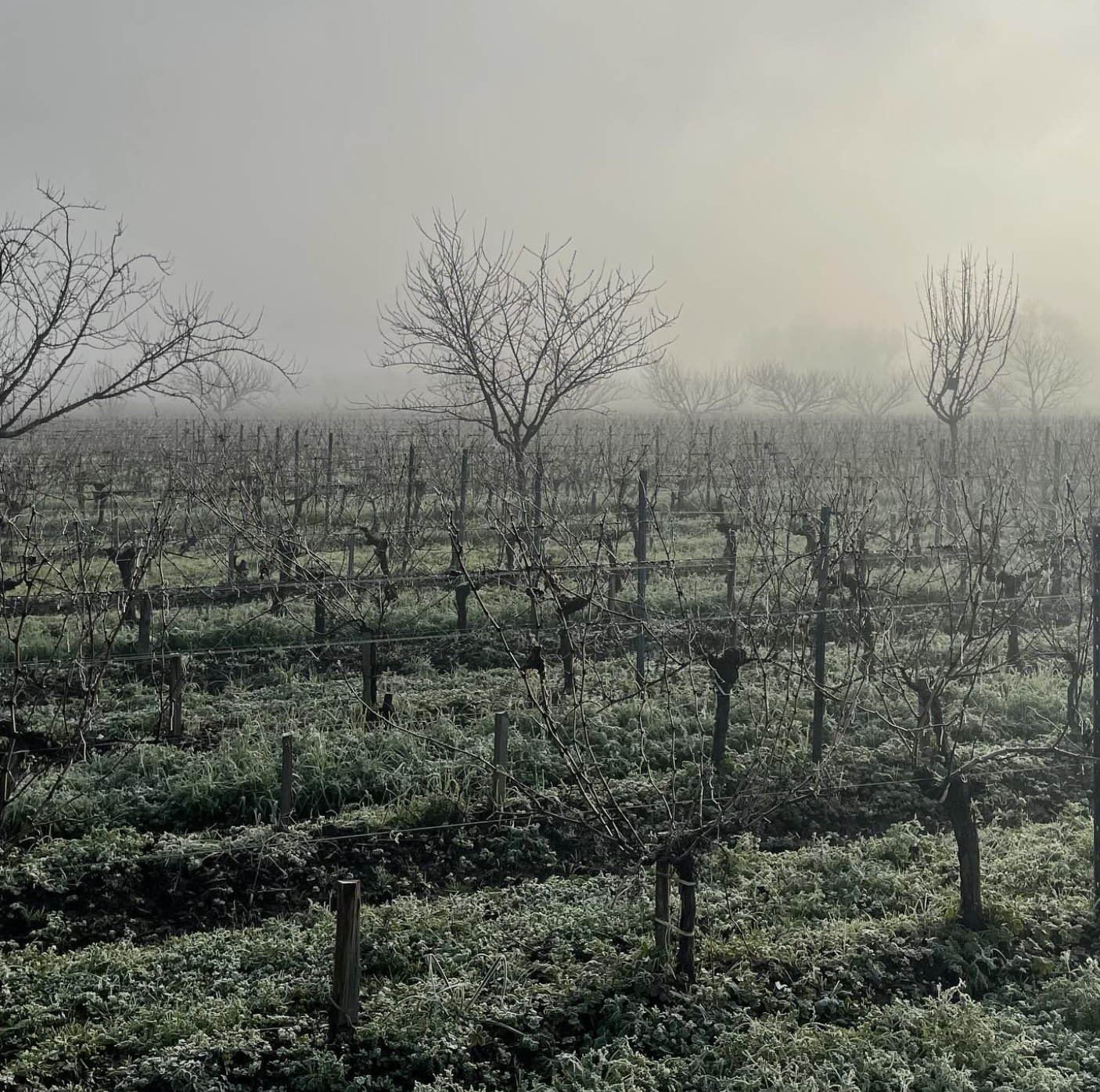 Image 2 of 3
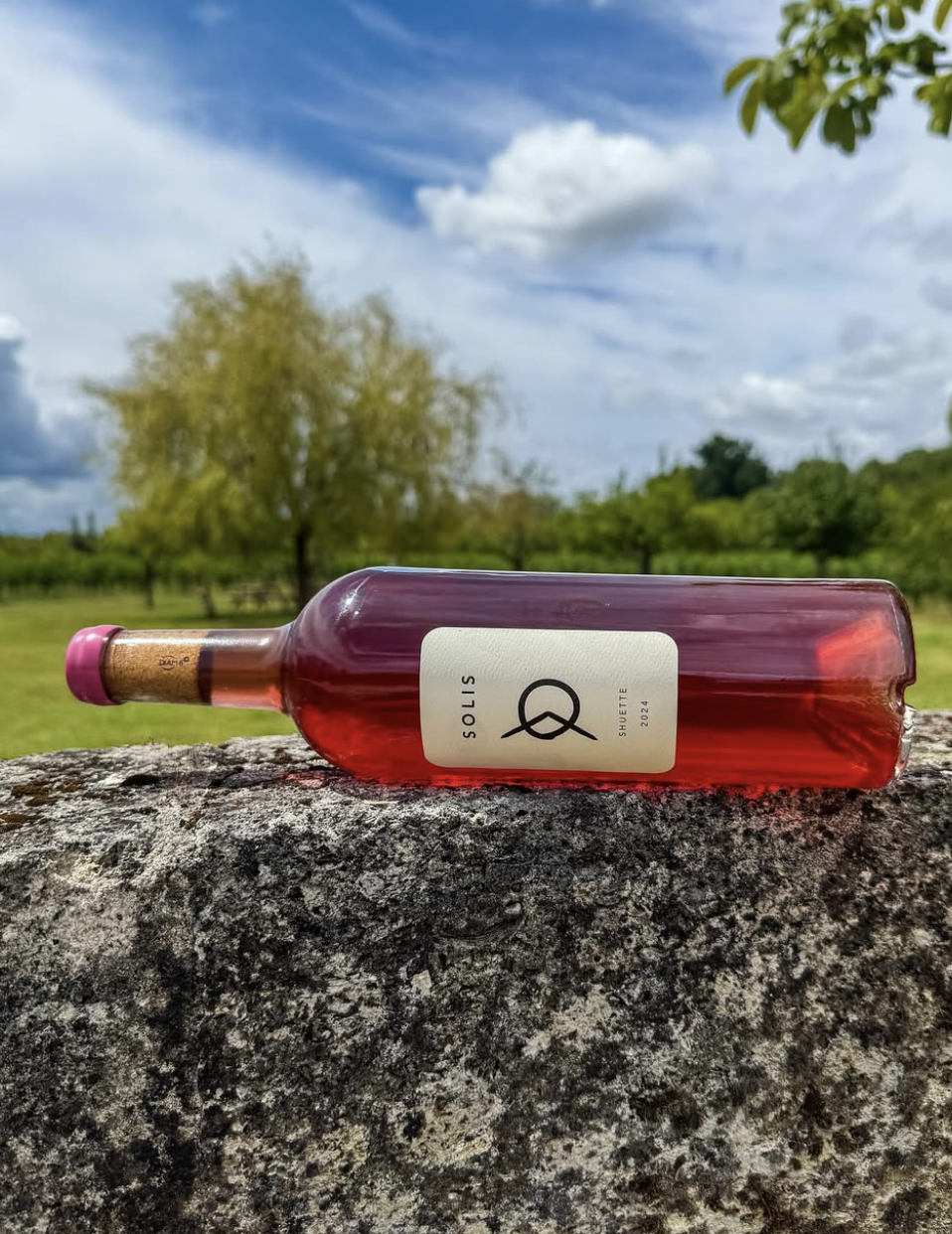 Image 3 of 3
Shuette, Saint-Loubès, Entre-Deux-Mers, Bordeaux, and a proper outsider story in a region where fewer than one percent of producers make natural wine. Ian Hocking and his wife Shu Min Ho swapped a corporate life across London, Hong Kong and Singapore for a vineyard on the Dordogne, and the name is a play on Shu Min’s, kept phonetically close to the estate’s original title. Husband and wife, winemaker and co-owner, building a supply chain from the ground up.
The vineyard is a single 4.5 hectare block beside the river, deep clay over mineral schist, farmed organically for around thirty years before they arrived. Sauvignon Blanc, Sémillon, Cabernet Sauvignon, Cabernet Franc, Cabernet Noir, Petit Verdot and Merlot, all done by hand. They started making wine in 2020, took over full production in December 2022, and the first wines landed in August 2024. From there it’s zero-zero, no sulphites and no filtration.
The farm is the bigger picture, though. A regenerative, biodynamic-leaning vineyard with a market garden, ducks, geese and pigs, and silvopasture fruit and nut trees. When Flavescence Dorée wiped out some vines, they replanted three plots with Chenin Blanc, Malbec and the disease-resistant Souvignier Gris. Smart, adaptive, no ego.
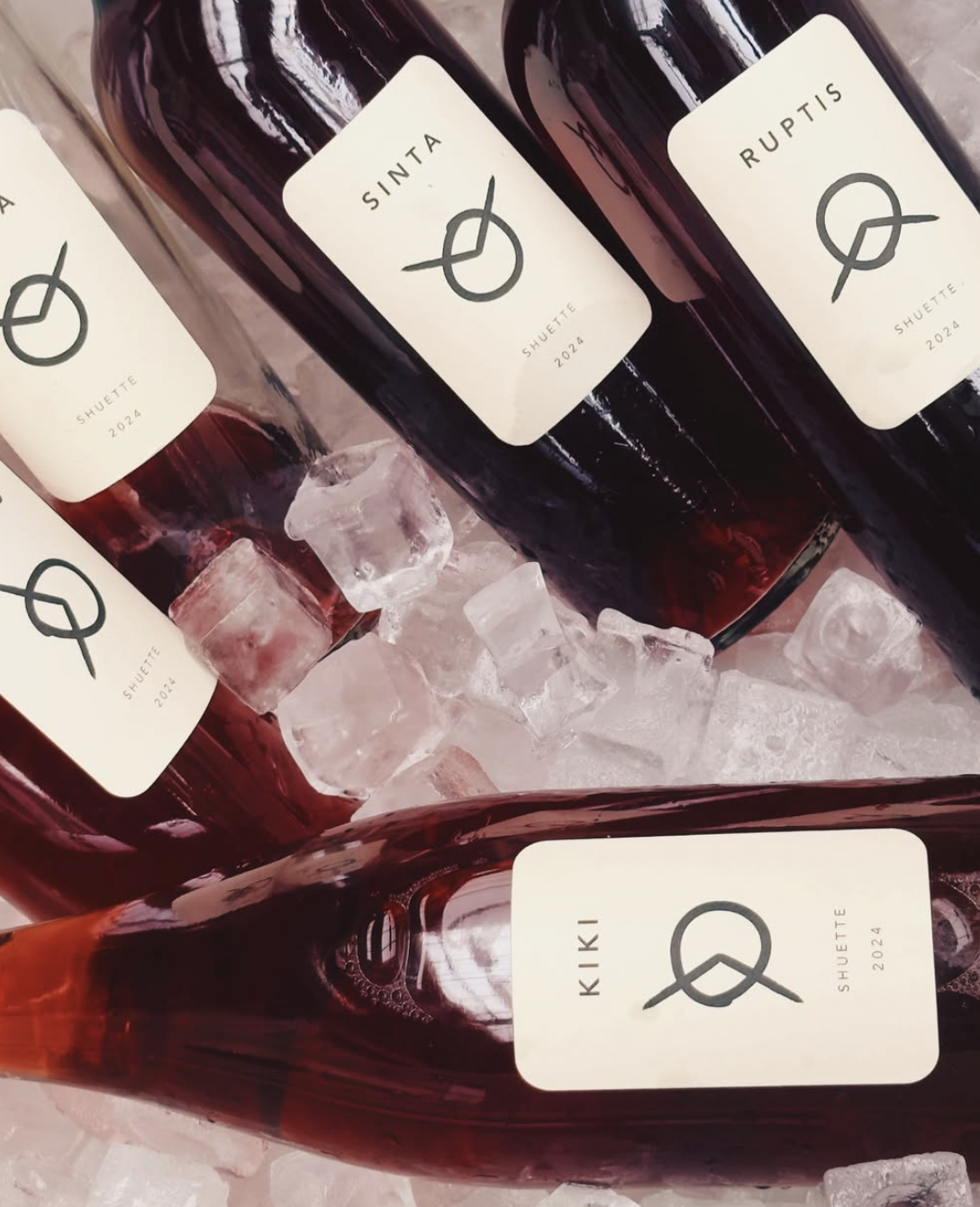
The wines have a lovely roll call of names. Novas, Sanguis, Anima, Radix, Aurum. Reds, an orange, a claret, around 16,000 to 18,000 bottles in a typical year. Modern, vibrant, naturally expressive Bordeaux, not the stiff, over-oaked cliché the region’s best known for.
And you can visit, tasting wines and wandering the vines half an hour out of Bordeaux, with a garden picnic thrown in. Orange wine in Bordeaux. The new wave, and a very welcome one.