
 Image 1 of 4
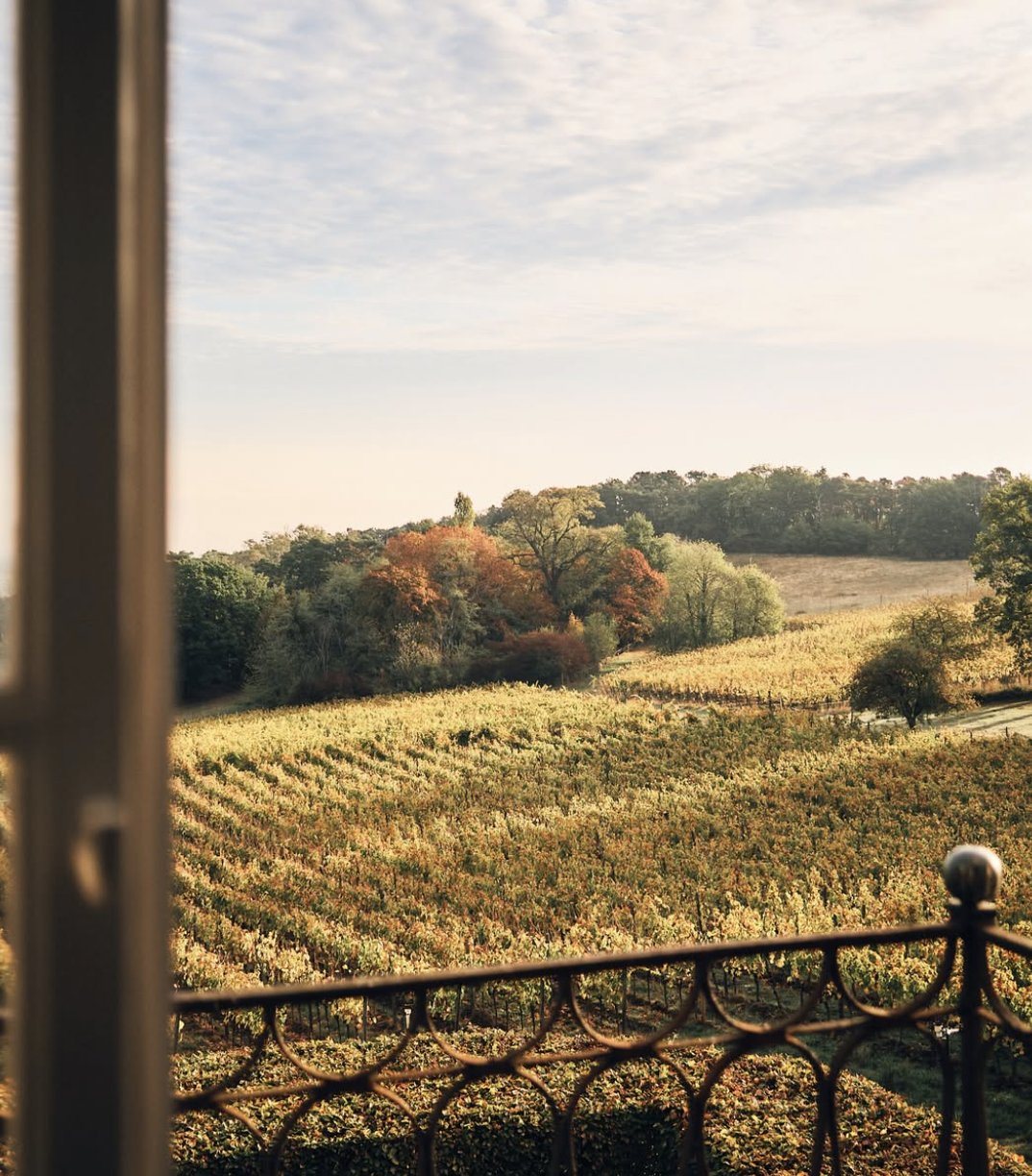 Image 2 of 4
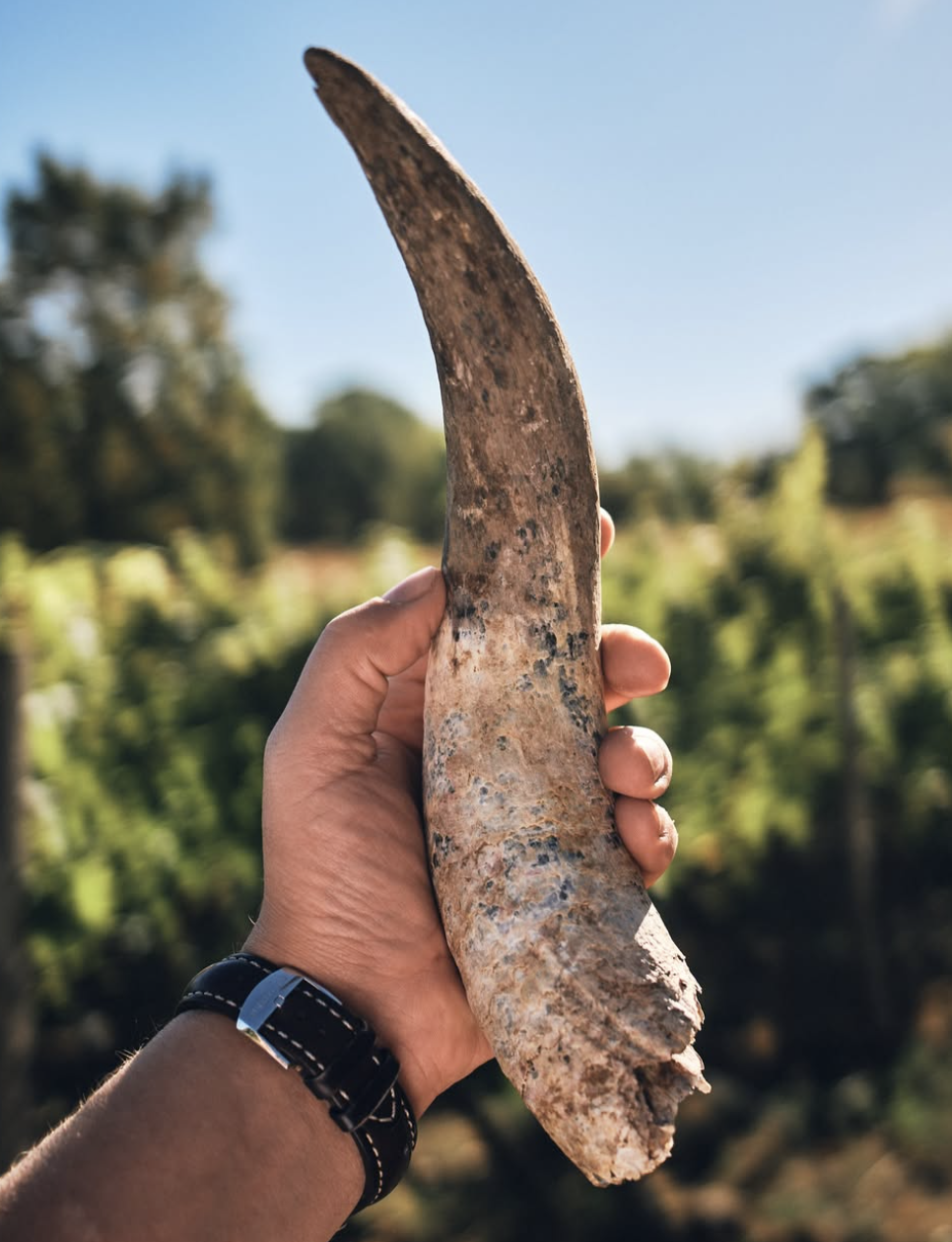 Image 3 of 4
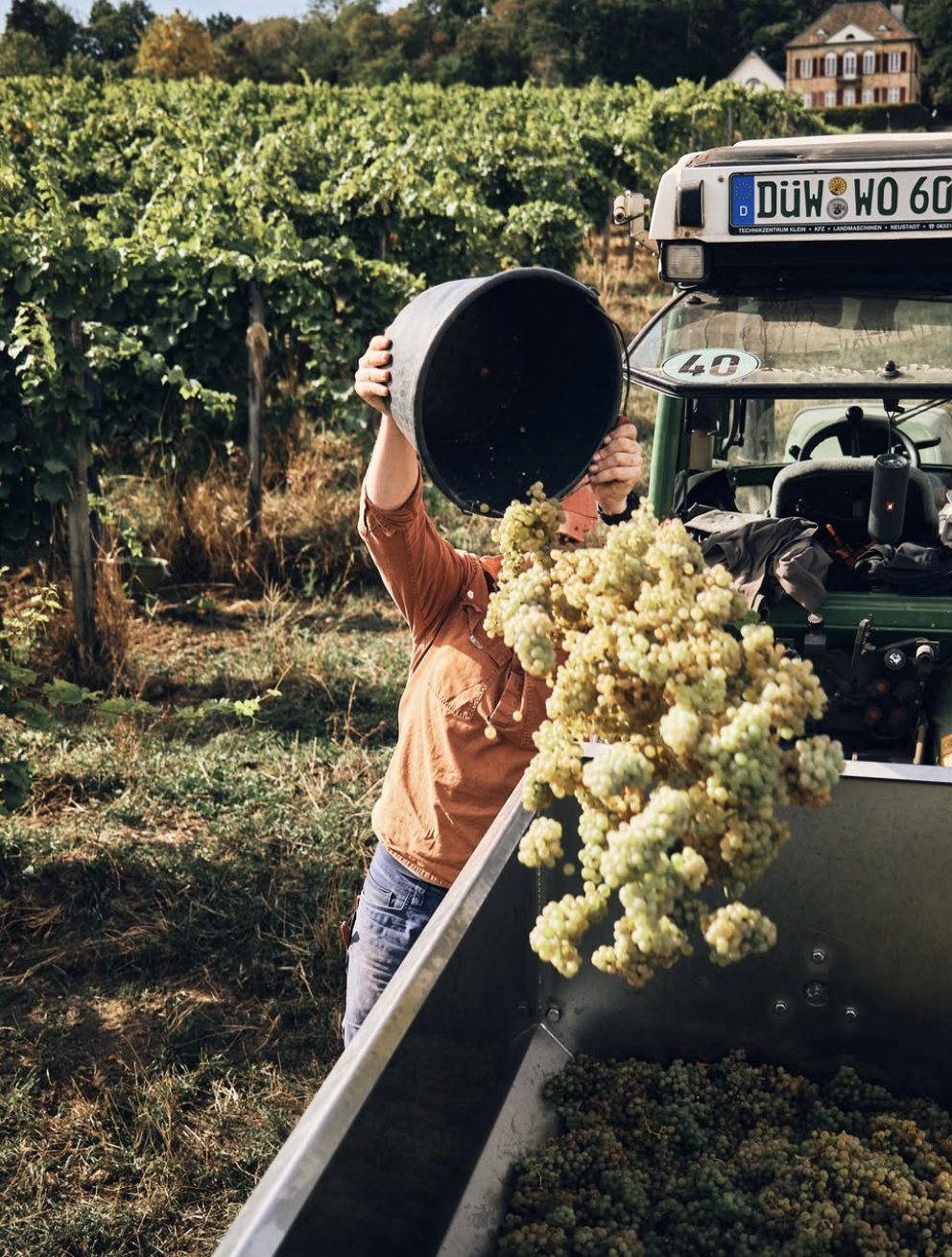 Image 4 of 4
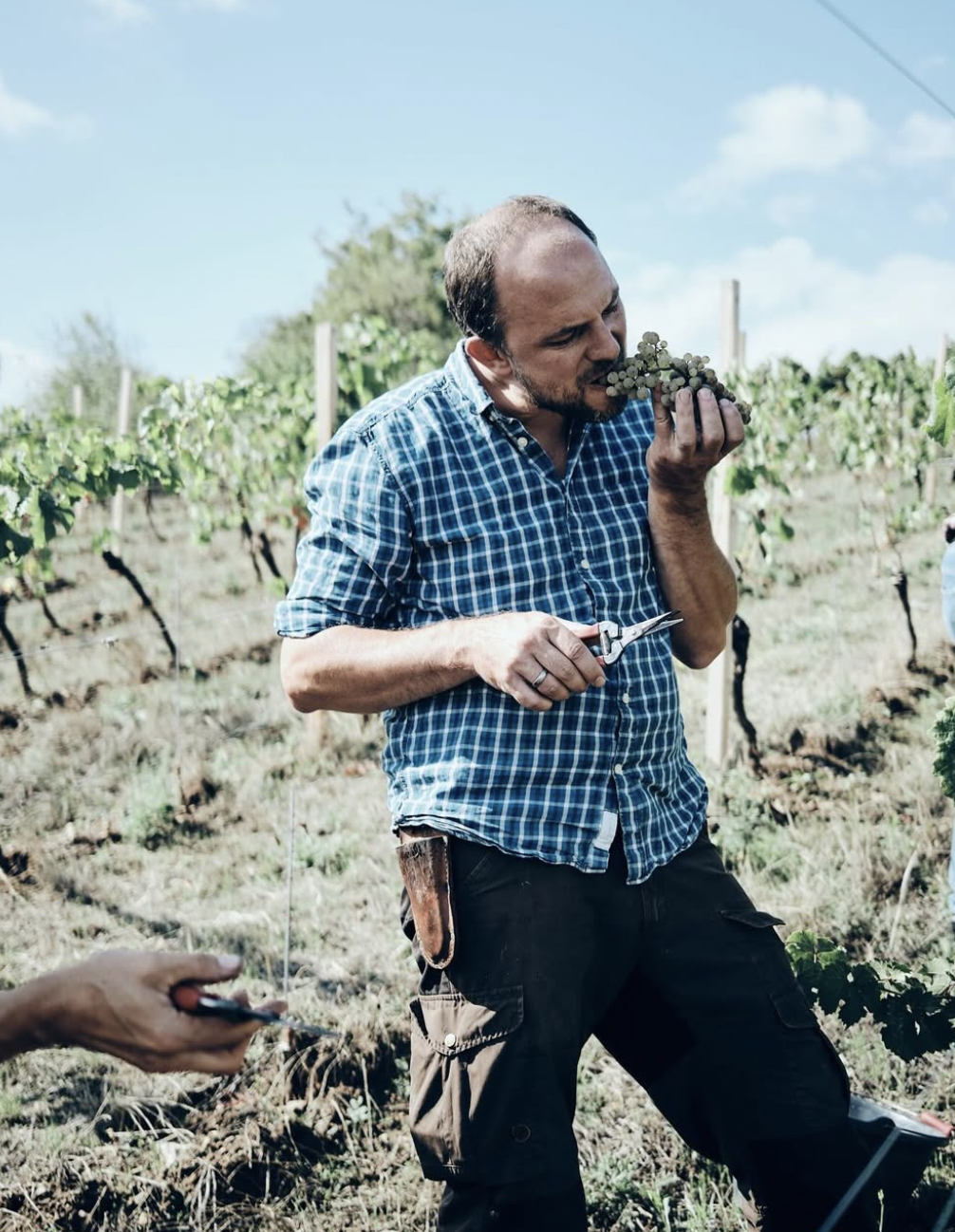
Weingut Odinstal, high above Wachenheim in the Mittelhaardt, Pfalz, and easily one of the more eccentric and brilliant stories in German wine. At 350 metres, it’s the highest wine estate in the Pfalz, and when Thomas Hensel bought it in 1998 people thought he was a bit mad. Ripening Riesling that high in Germany? Good luck. Thomas isn’t a winemaker, as he’s quick to point out, he’s a businessman who bought a run-down manor house with forests, pastures and about 20 hectares of old vineyard and had a dream.
The smartest thing he did was hire Andreas Schumann in 2004. Andreas had just graduated from Geisenheim at 26 and was keen to build something completely new, biodynamic from the very beginning, up in a part of the Pfalz that’s mostly conventional. The estate’s been organic since the early 1990s and biodynamic since 2006, and it’s farmed with an almost obsessive holistic approach. Closed cycles, minimal intervention in the cellar, extreme by German standards even now. The estate is certified and a VDP member too, so it ticks the establishment boxes while doing its own thing.
The site is the real star. Five hectares in a forested basin near an old basalt quarry on the Pechsteinkopf, sitting on four different rock types, basalt, shell limestone, Keuper and red sandstone. It’s a geological rarity, and Andreas bottles each one separately. Riesling off Basalt is tense and smoky, the limestone one is precise and chalky, the red sandstone one is rounder and softer, and there’s Weissburgunder, too. The altitude gives a cooler, slower ripening cycle and wines with real tension.
Wines that make a lot of noise in the glass, in a quiet kind of way. Each one is, as Stuart Pigott put it, an original.
Not Little Siberia, but not far off. German Riesling with altitude, soul and a sense of humour.