Rebhalde
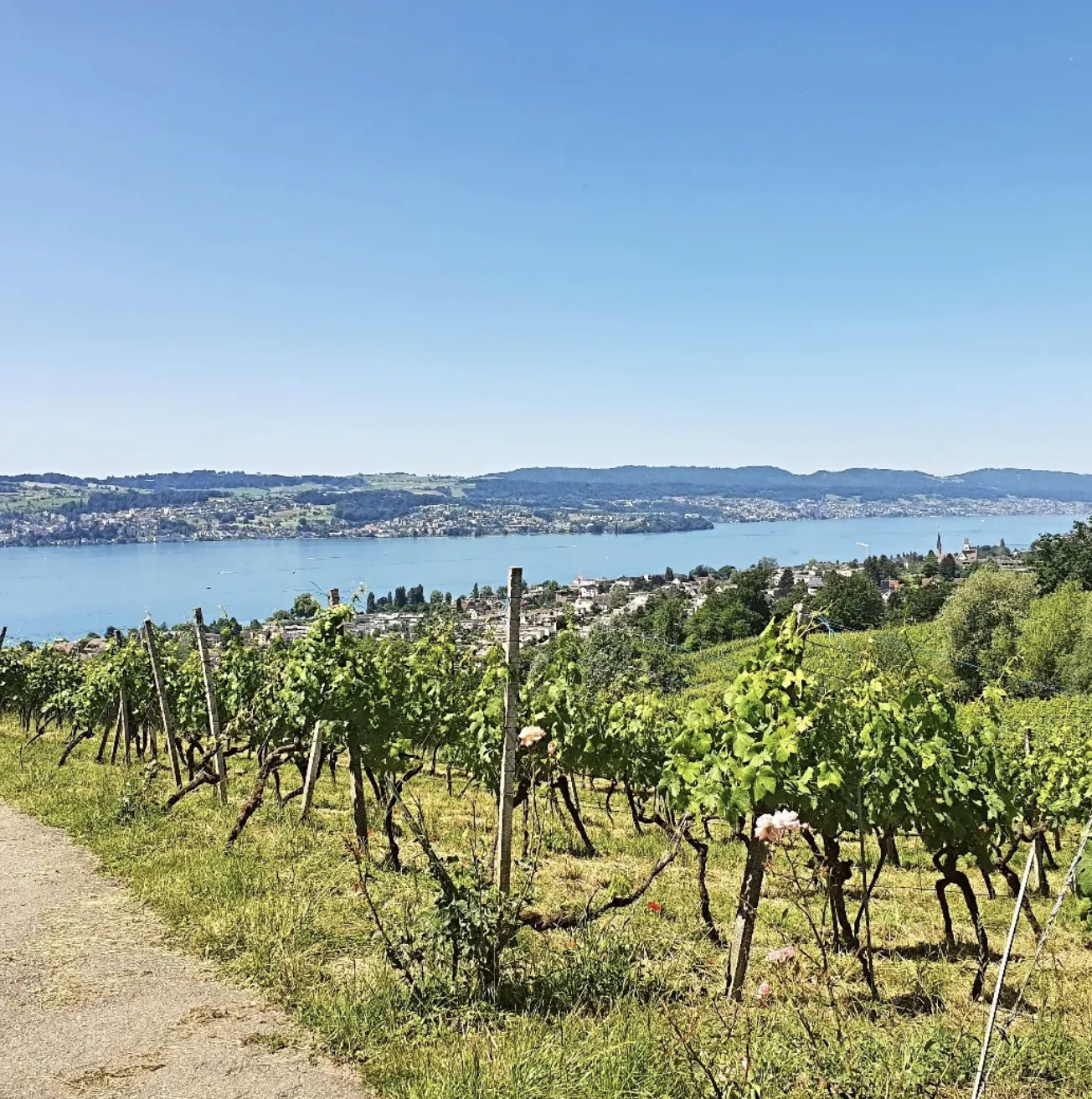
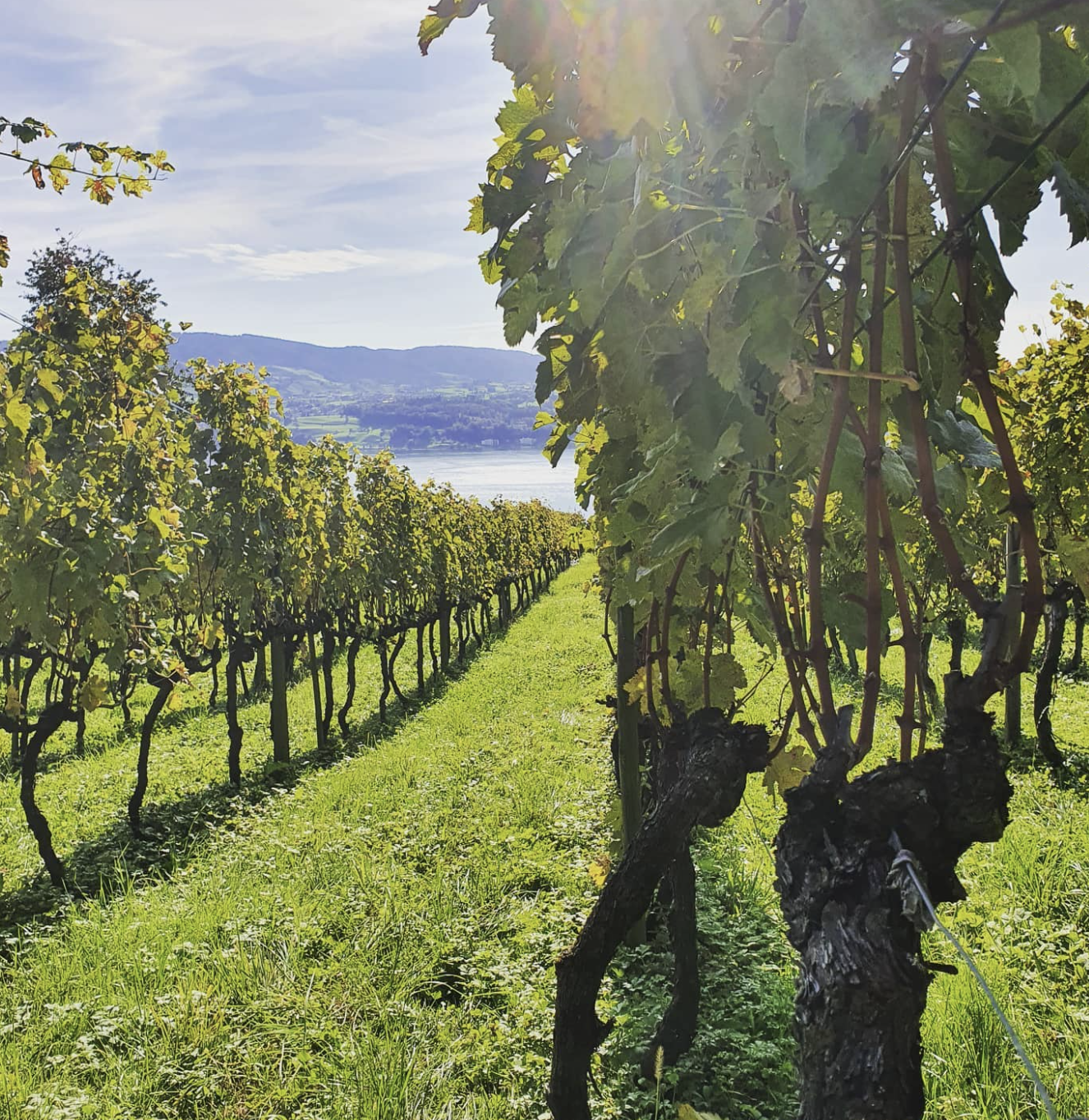
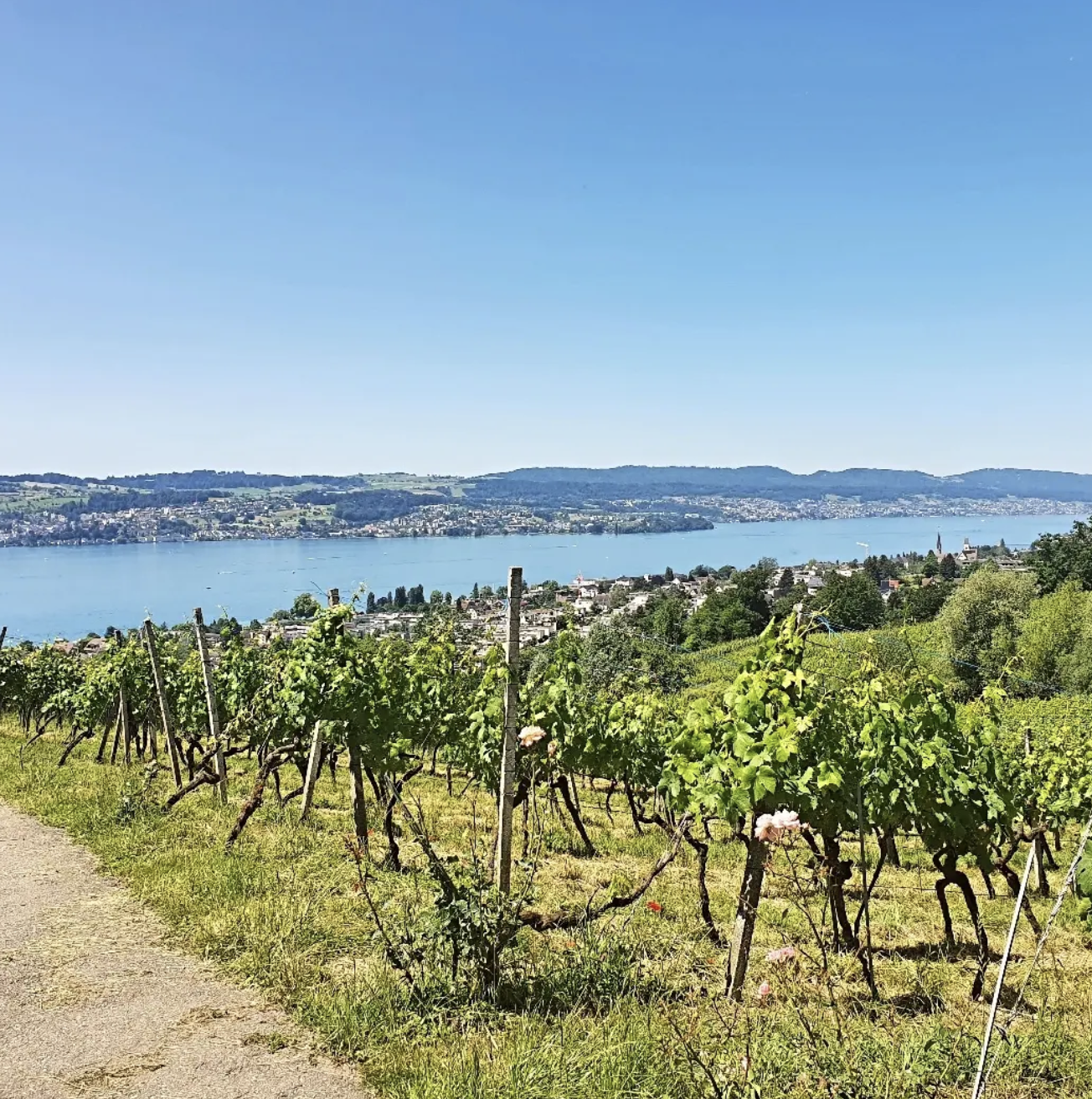
Weingut Rebhalde is a small, family-run estate perched above Lake Zurich in Stäfa, Switzerland, on a sun-facing terrace at the southeastern edge of the Pfannenstiel. The Hohl family farms nine hectares of steep vineyard plots between 405 and 530 metres above sea level, with sweeping views across Lake Zurich to the Alps, a setting that shapes the estate's cool-climate character season after season. Now in its fourth generation, the winery has been certified organic since the beginning of 2023, guided throughout by biodynamic principles.
Rather than relying on synthetic inputs, the Hohls support their soils and vines with biodynamic preparations and plant teas, following a path that leads back to the original, pure expression of terroir. Winemaker Sven Hohl works with an unusually diverse palette of varieties, from the ancient indigenous Räuschling to international grapes such as Syrah, Malbec, and Pinotage, all grown on the steep, cool slopes above the lake.
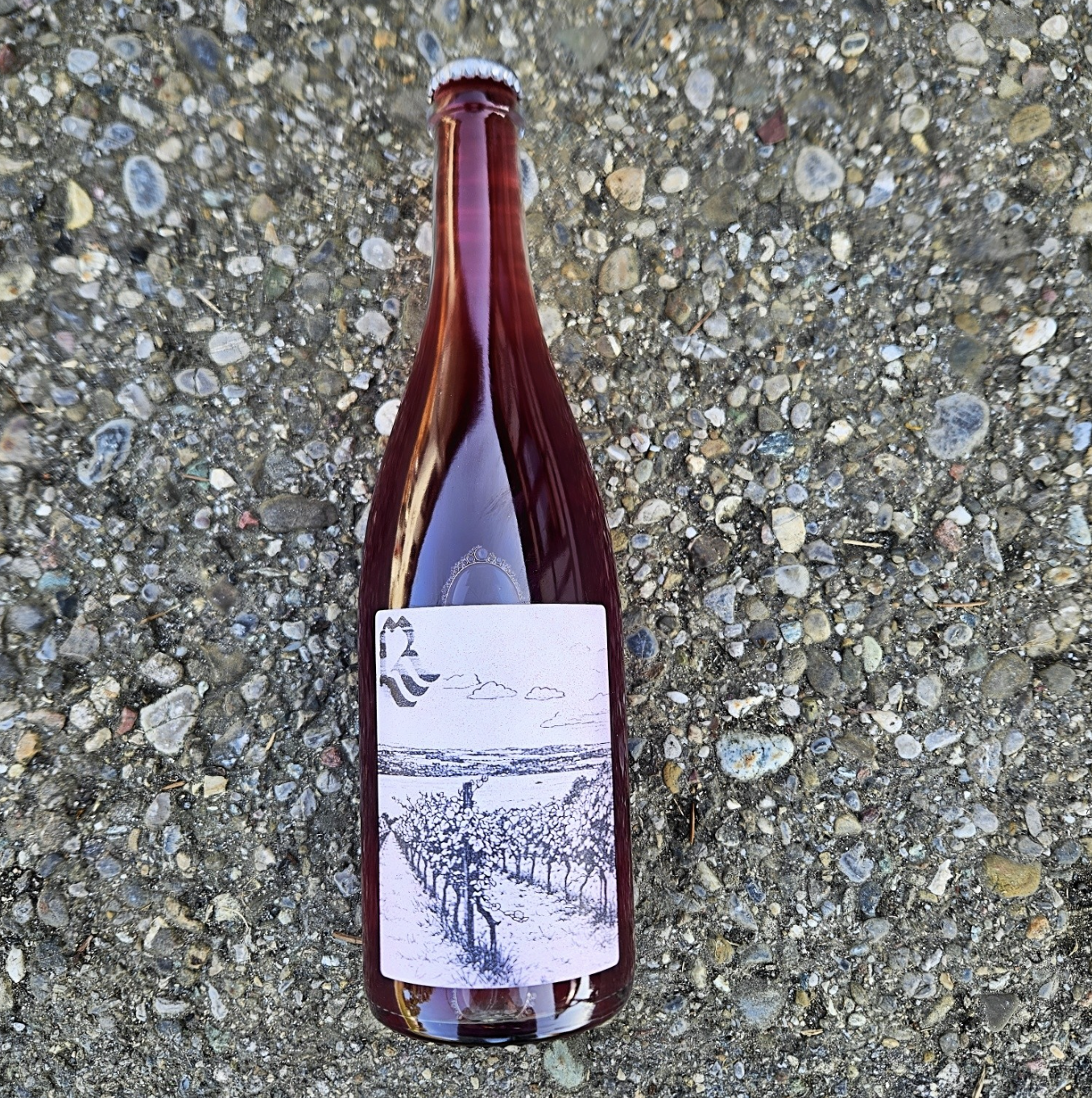
The results are unmistakably cold-climate in character: precise, low in alcohol, and driven by a lively, refreshing acidity that reflects the cool microclimate of the Zürichsee year after year. The range spans still whites, reds, skin-contact wines and pétillant naturels, each one an honest expression of a place that still feels quietly off the radar. Rooted in generations of careful farming yet unafraid to experiment with variety and style, Rebhalde offers a distinctly Swiss, distinctly cold-climate voice in the world of thoughtful, natural winemaking.
Biodyna
Biodynamic
Natural
Socials
https://www.instagram.com/weingut.rebhalde/
Wines
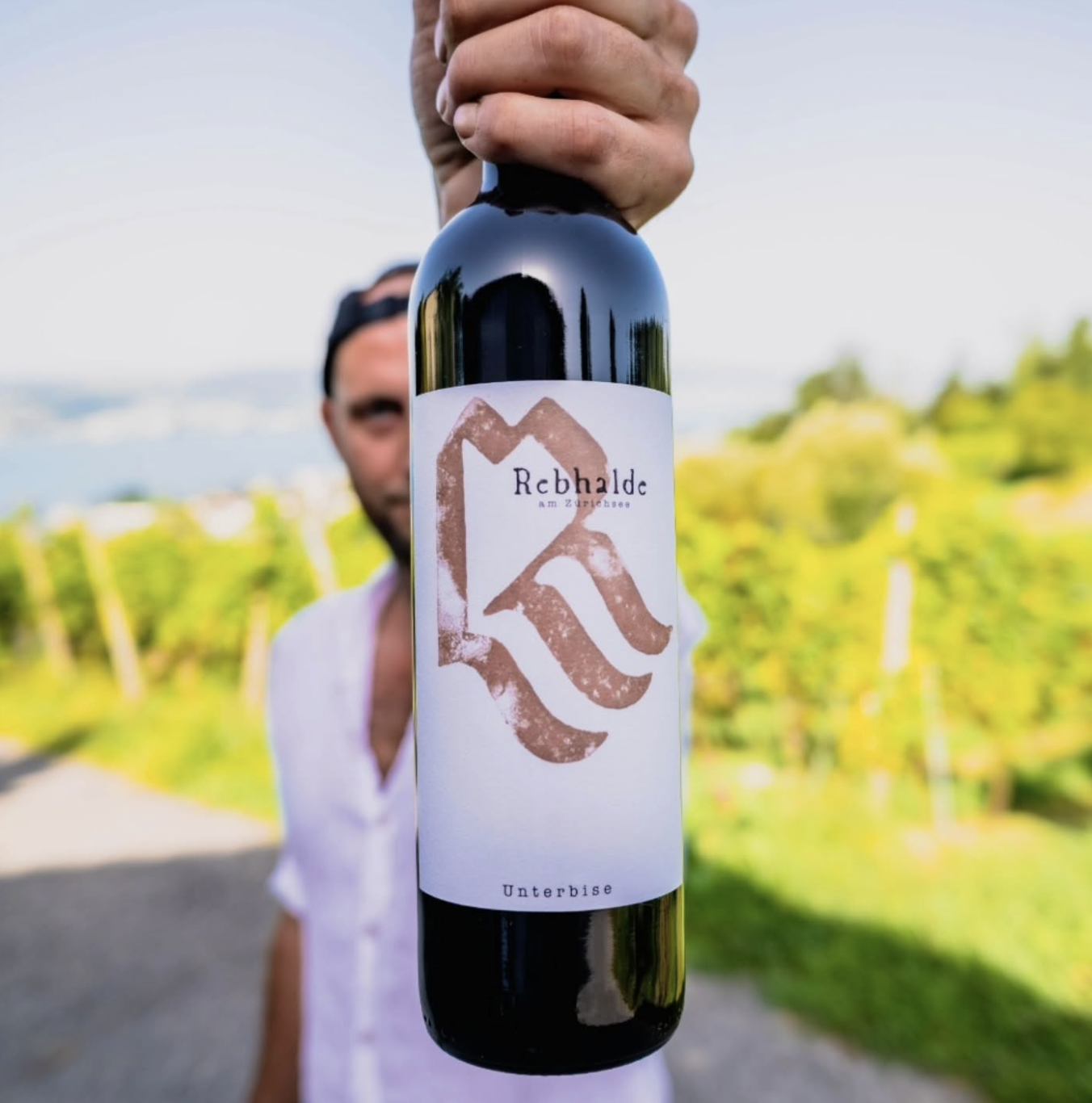
Rebhalde's wines are a study in what cold climate and varied soil can do to a vineyard's expression. The range spans an unusually wide palette—from the ancient indigenous Räuschling to Riesling, Kerner, Pinot Noir, and Chardonnay, alongside warmer-climate specialties like Syrah, Malbec, and Pinotage that push the boundaries of what Lake Zurich's microclimate can ripen. Their vines sit across a mosaic of soils, from brown earth to moraine rock to nagelfluh conglomerate, and that patchwork shows up directly in the glass.
The Stäfner Räuschling anchors the whites, built from an old, indigenous grape rarely found outside this corner of Switzerland—crisp, precise, and unmistakably shaped by the lake's cooling influence. Across the whites generally, expect low alcohol, bright acidity, and a lean, mineral-driven structure that favors tension over weight. The reds—Pinot Noir, Blaufränkisch, Zweigelt, and the more unexpected Pinotage and Syrah—carry that same cold-climate signature: lighter frames, fresh red fruit, and a savory, almost herbal edge rather than the richness these varieties might show elsewhere.
What unites the range is restraint. Minimal cellar intervention lets each variety and each plot speak plainly, without smoothing over the site's natural rhythms. The wines don't chase ripeness or power; they lean into freshness, drinkability, and a quiet sense of place—wines that taste distinctly of their altitude, their soil, and the lake air that shapes them season after season.