
 Image 1 of 5
 Image 2 of 5
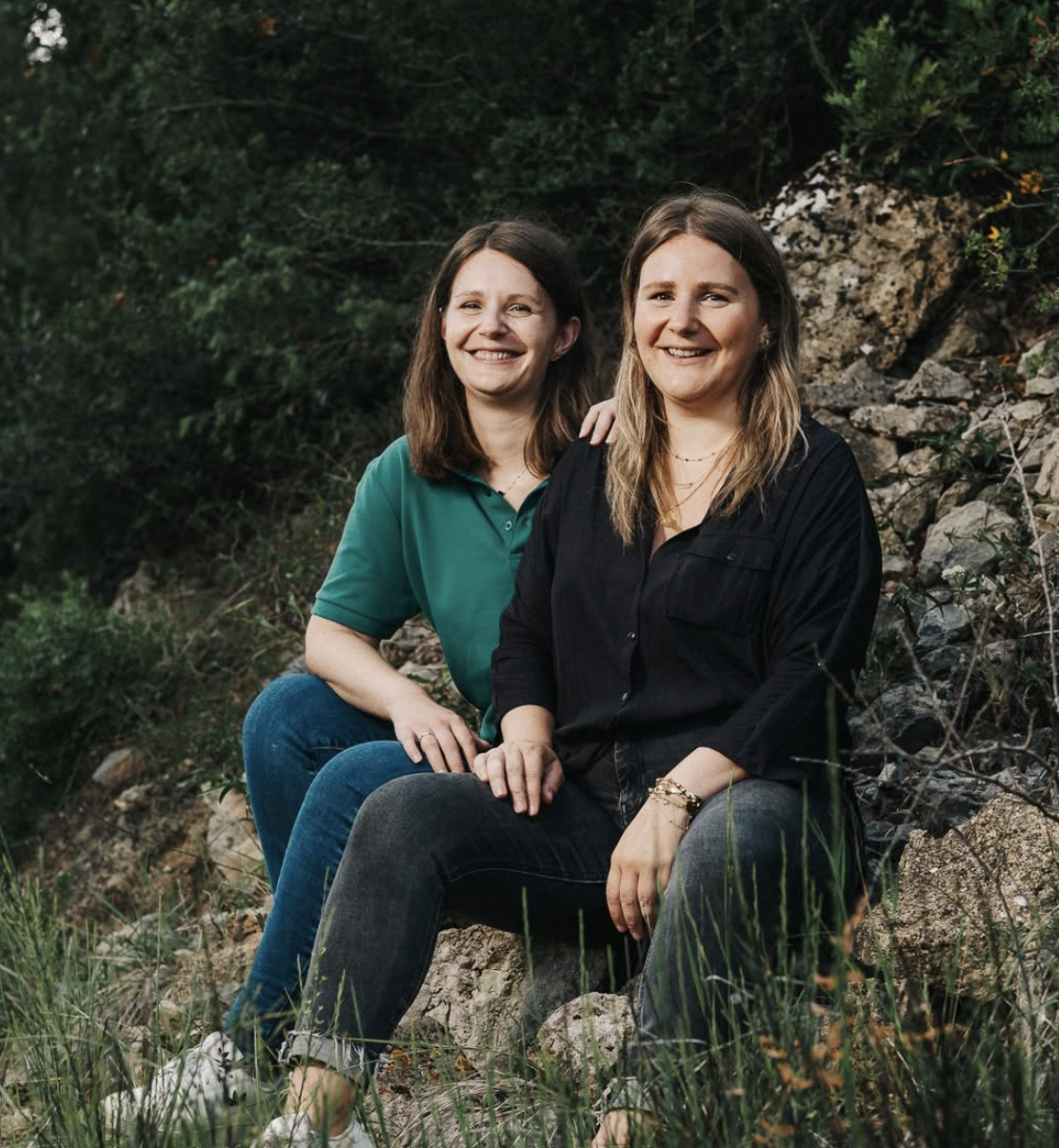 Image 3 of 5
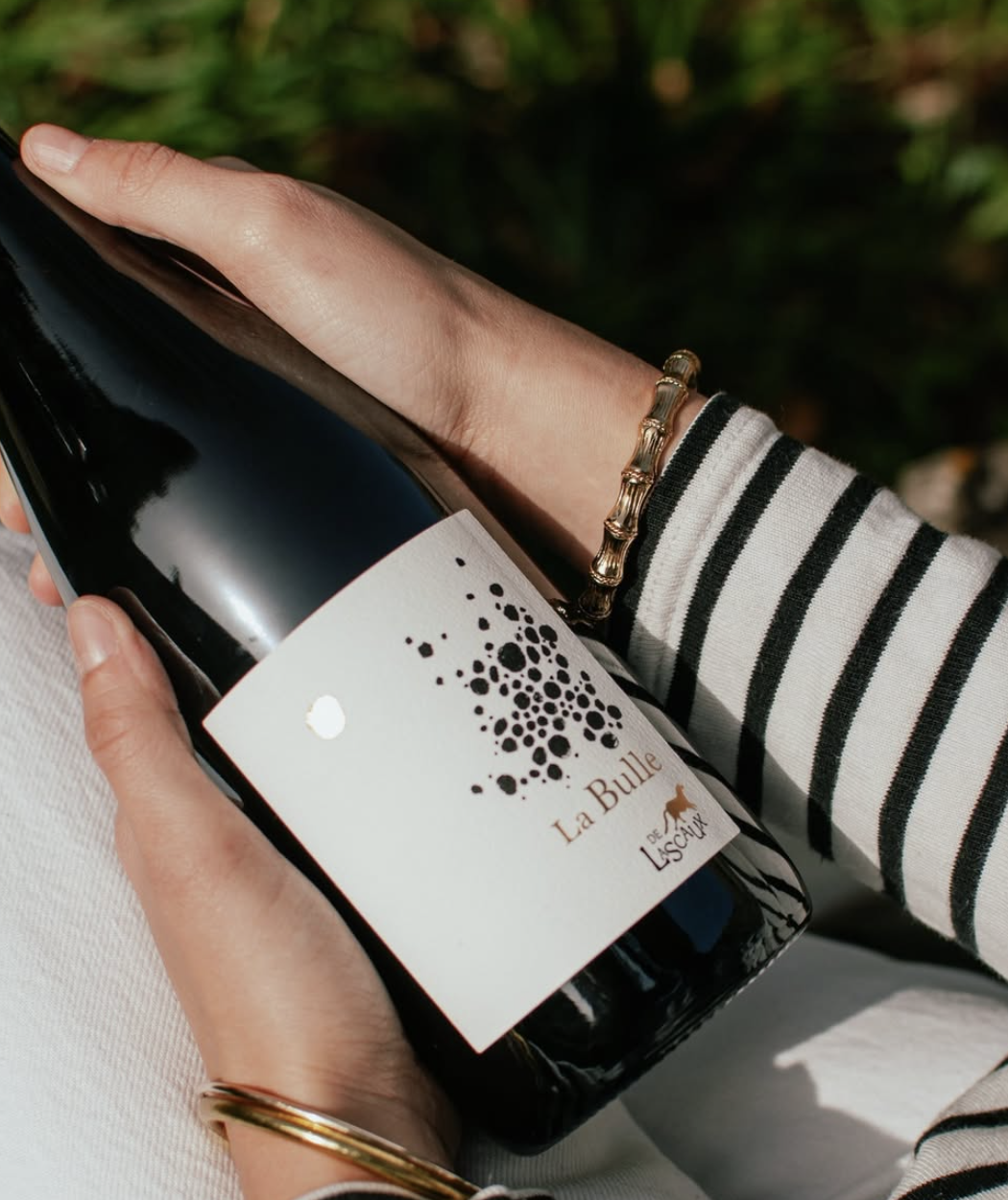 Image 4 of 5
 Image 5 of 5
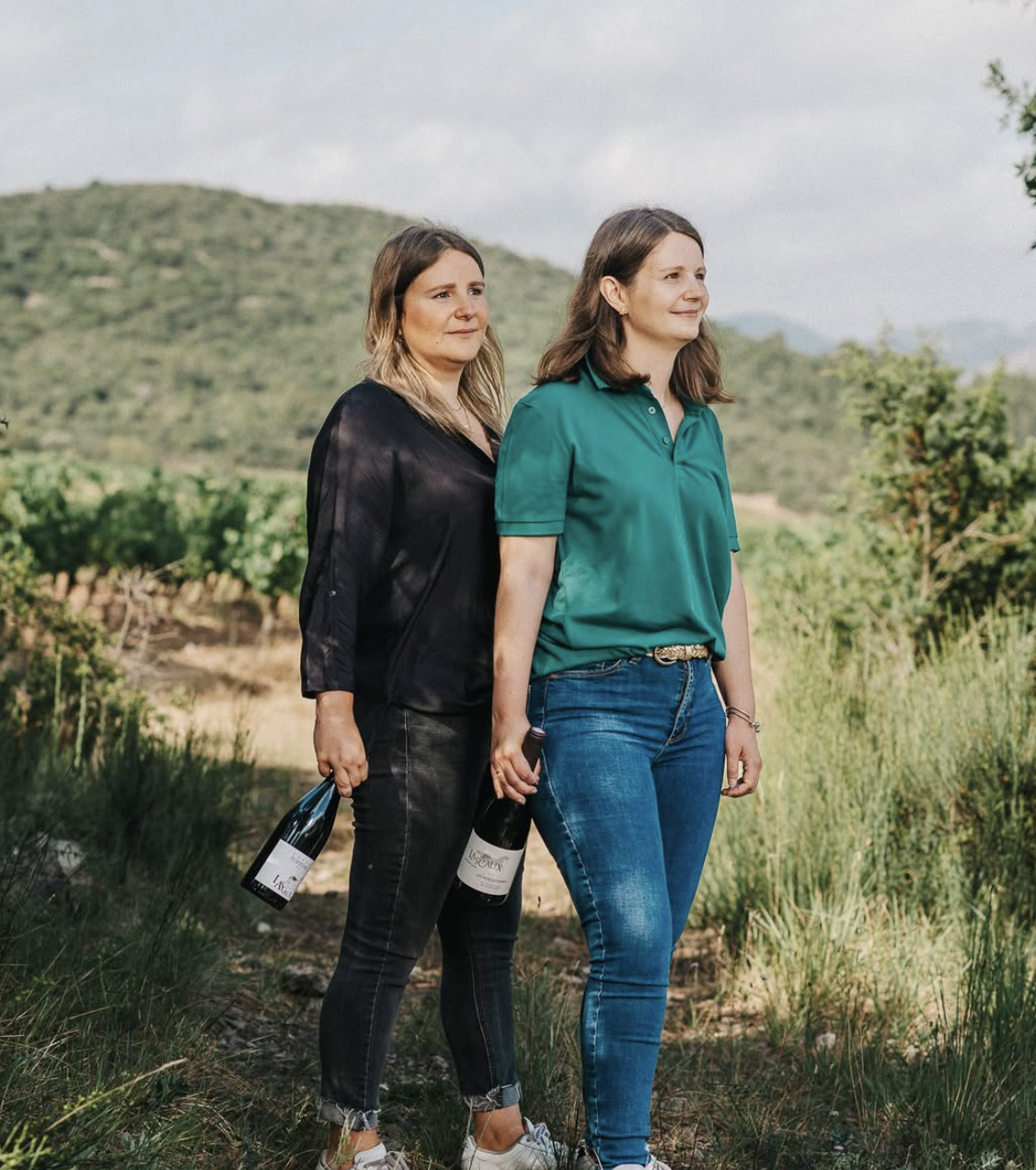
Château de Lascaux, Vacquières, Pic Saint-Loup, Languedoc, and a family with serious staying power. The Cavaliers settled here in the 16th century, deep in the garrigue, and Jean-Benoît took over in 1984 as the 14th generation, with the 15th now working alongside him. Not many people can say their family has been farming the same patch for about five hundred years.
The name comes from the limestone itself, Lascaux meaning that hard, stony, calcareous ground the vines are rooted in. Poor soils, wild landscape, small parcels of vineyard tucked into the hills between Pic Saint-Loup and the first foothills of the Cévennes. Organic since 2006, biodynamic practices introduced in the last several years, now Demeter and Ecocert certified.
The tasting cellar is a 12th century priory right in the village, and the newer winery, built in 2013, lets them vinify parcel by parcel, which is where the precision starts creeping in. Carra, mostly Syrah with Grenache, is brooding and earthy, blackberry, blackcurrant, black olive, pepper, supple tannin, a long herbal finish. Les Secrets pushes harder, low yields, spicy and full. And Pierre d’Argent, the white, blends Vermentino, Roussanne and Marsanne into something fresh and textural.
What I really like is that these wines sit in that sweet spot where freshness, purity and complexity all show up together, which is rarer than it sounds in the sun-baked south. Old family, old stones, old priory, and wines that taste properly of their place.
Languedoc keeps on delivering. Lascaux is a very good reason why.