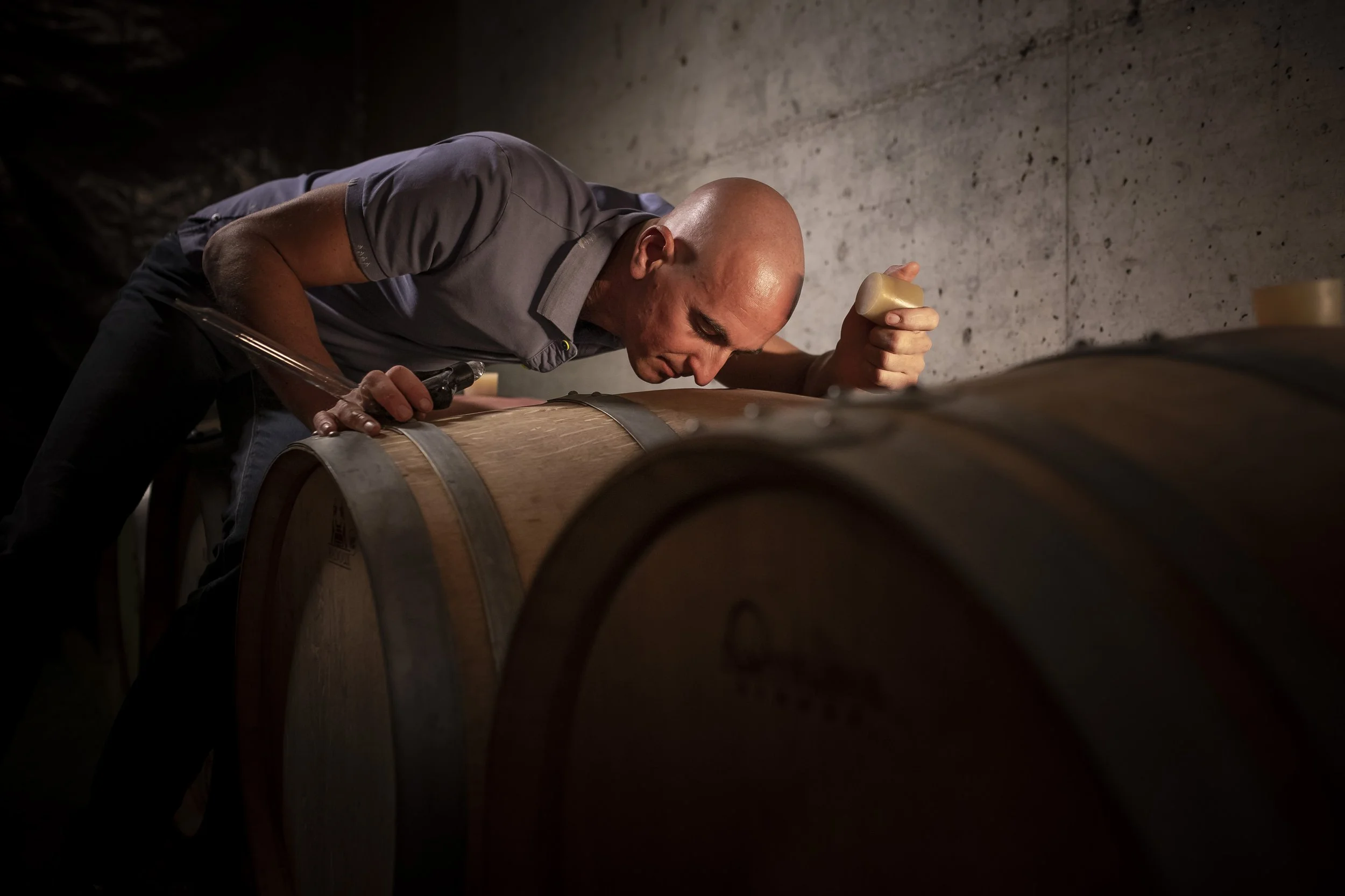
Armin Kienesberger - Biodynamic Viticulture is a producer in Austria, Austria, presented in Biodyna’s Green Guide as a reference for thoughtful farming and wines with a clear sense of place.
Biodynamic vintner in Austria. Lunar cycles and natural rhythms. Grüner Veltliner and Riesling, native yeasts.
The project is defined by its practices: Organic, Biodynamic. Farming and cellar work are kept as close to the vineyard as possible, with an emphasis on soil life, manual care, and wines that taste of their origin rather than of the cellar.
Like the longer portraits already published on The Green Guide, this profile is meant to be read as a full introduction — who they are, how they farm, and what is in the glass — not as a short product blurb.
The wines
The range is built to show the estate rather than a single cuvée. Expect wines that are drinkable young, marked by fruit, energy and texture, and shaped by the farming described above.
Grüner Veltliner: green apple, white pepper, citrus, mineral.
Riesling: stone fruit, lime, herbal lift.
Single-vineyard selections add texture and salinity.
Practices: Organic, Biodynamic
Origin: Austria, Austria
THE LINE UP
ARTISAN : MEET & TASTE

Sciara is a small, passionate winery located on the volcanic slopes of Mount Etna in Sicily. With vineyards rooted in the region’s rich, black lava soils, Sciara produces wines that embody the unique energy of this dramatic landscape. Specializing in native grape varieties like Nerello Mascalese and Carricante, the winery focuses on organic farming and traditional techniques to create elegant, terroir-driven wines. Sciara’s bottlings are fresh, vibrant, and mineral-rich, showcasing the balance and complexity that Etna’s high-altitude vineyards are known for. Each wine tells a story of volcanic earth, Mediterranean breezes, and centuries-old winemaking heritage.
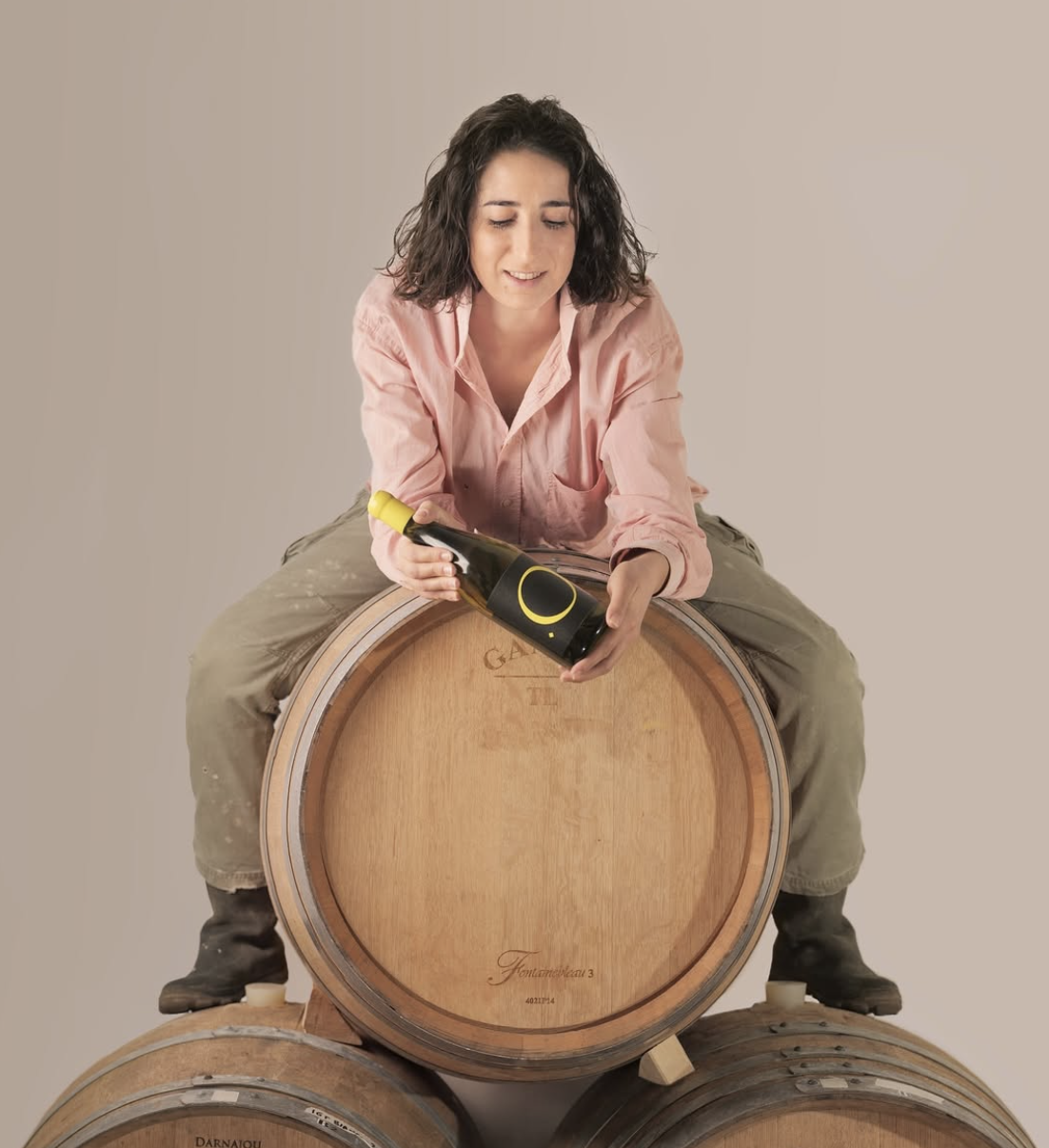
PrimaLuce is a producer in San Gimignano, Tuscany, Italy, presented in Biodyna’s Green Guide as a reference for thoughtful farming and wines with a clear sense of place.
Small organic estate in Santa Lucia, San Gimignano, founded by Rebecca Marzani. Vernaccia di San Gimignano and Trebbiano Toscano on fossil-rich Pliocene soils at ~330 m. Also olive oil.
The project is defined by its practices: Organic, Sustainable / low-intervention. Farming and cellar work are kept as close to the vineyard as possible, with an emphasis on soil life, manual care, and wines that taste of their origin rather than of the cellar.
Like the longer portraits already published on The Green Guide, this profile is meant to be read as a full introduction — who they are, how they farm, and what is in the glass — not as a short product blurb.
The wines
The range is built to show the estate rather than a single cuvée. Expect wines that are drinkable young, marked by fruit, energy and texture, and shaped by the farming described above.
Punto Zero: savory IGT white, sage and sea air (Vernaccia).
Punto Luce: Trebbiano Toscano with depth. Saline mineral undertone. Future barrel-aged single-variety whites still in cellar.
Practices: Organic, Sustainable / low-intervention
Origin: San Gimignano, Tuscany, Italy
Instagram: https://www.instagram.com/primaluce_wine/
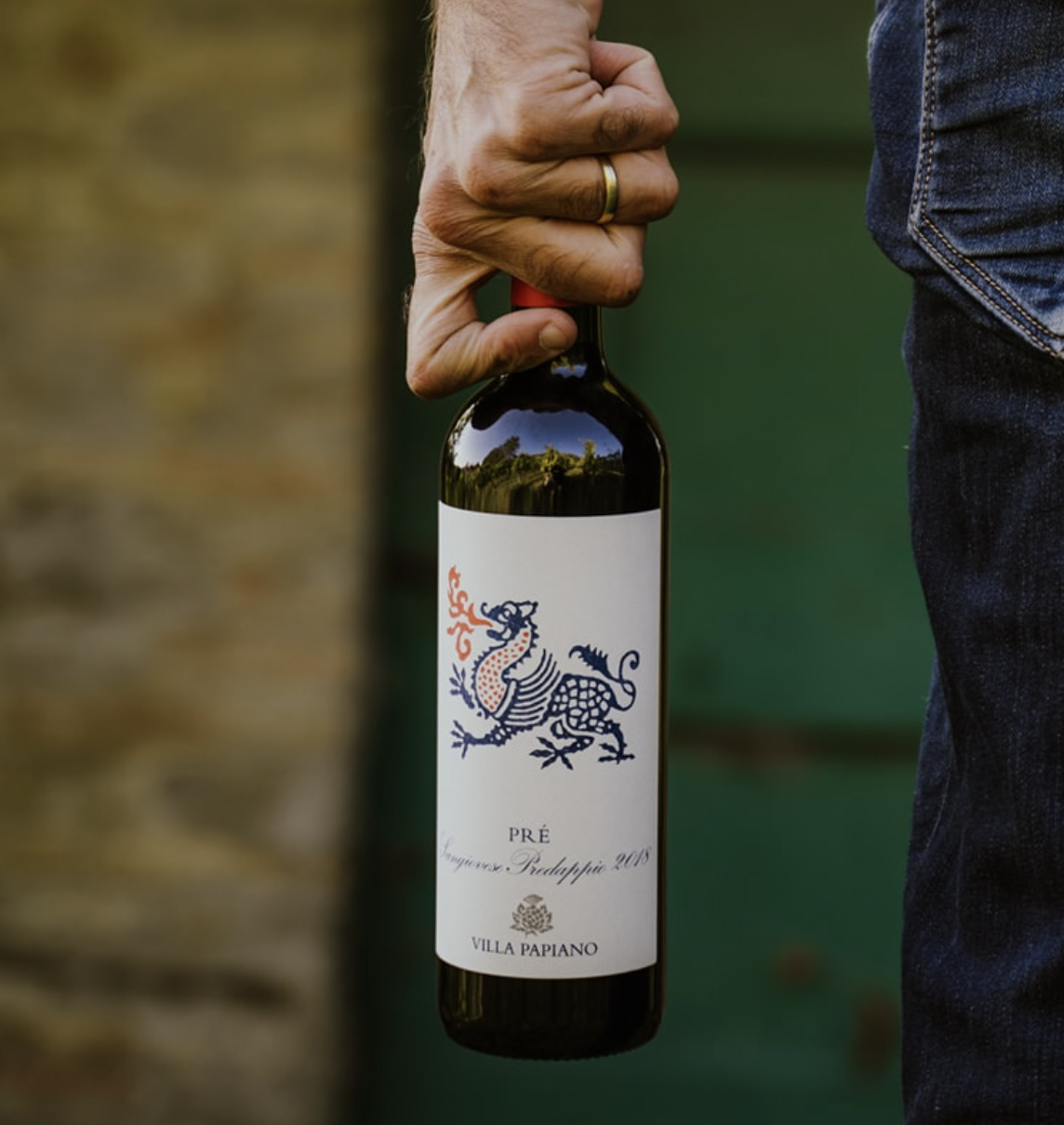
Villa Papiano, Modigliana, high on the southern flank of Mount Chioda right where Romagna bumps into Tuscany, and honestly one of the most exciting Sangiovese stories in Italy. A 15th century villa, vines on terraces between 450 and 570 metres, the highest in the area, ringed by dense forest that keeps the whole valley cool, wild and clean. A proper wilderness, and the wines taste like it.
Francesco Bordini bought the estate in 2001 with his father Remigio, a legendary agronomist responsible for planting much of the great Sangiovese in the district, plus siblings Maria Rosa, Giampaolo and Enrica. Four siblings, one hillside, a family that grew up knowing exactly how much soil matters. Francesco’s an agronomist first and a winemaker second, and it shows. Organic farming, biodynamic leanings, indigenous varieties and old clones, minimal intervention in the cellar.
Soils are ancient marl and sandstone, which means pale, perfumed, electric Sangiovese rather than the ripe cherry stuff you find further south. Papesse, named for the strong-willed Bordini sisters, is blood orange, pomegranate and forest berries, cement-aged and brilliantly fresh. Vigna Beccaccia is pale and high-toned, violets and juniper, peppery and mineral on the finish. I Probi, the Riserva, comes off old vines with dark spice, fine tannin and a long, savoury finish. Beyond Sangiovese there’s Albana and rare local varieties like Centesimino, Negretto and Balsamina.
Modigliana has been one of Italy’s best kept secrets for years, and Francesco’s been shouting about it for just as long. Villa Papiano is the reason it deserves your attention.
Mountain Sangiovese, pale and perfumed, tense and utterly alive.
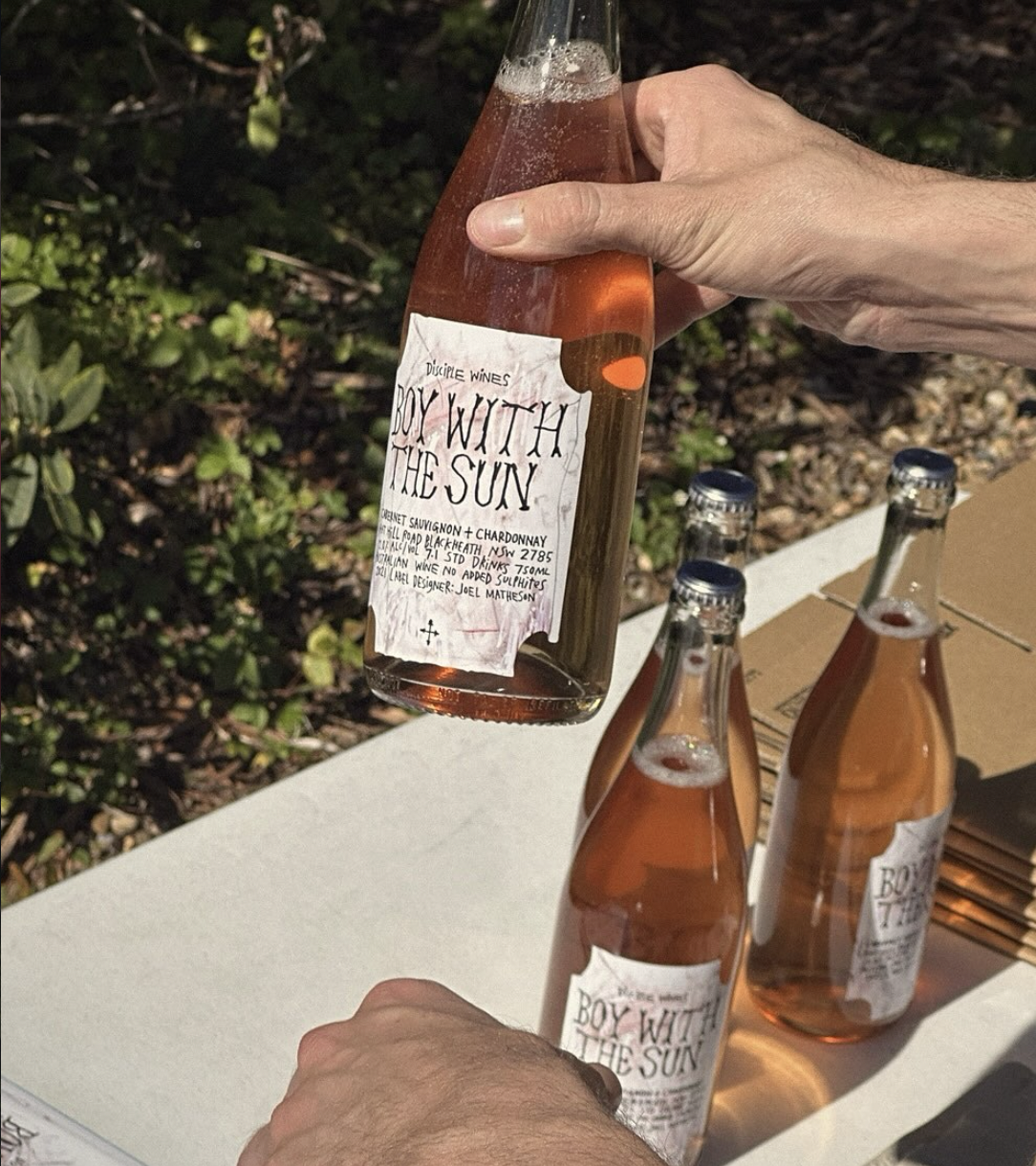
Disciple Wines, Blackheath, Blue Mountains, New South Wales, a thousand metres up and a couple of hours west of Sydney, and easily one of the most fun new labels in the country. Tom and Jess met in 2019, after Jess slid into Tom’s DMs and chased her dream of becoming a winemaker with total determination. She manifested so hard it became real. They’ve made wine together since 2021 and launched Disciple in 2025.
The model is nice and simple. They buy organic fruit from growers around Orange, Mudgee and Rylstone, farm a little patch up in the mountains themselves, and make everything in their own winery in Blackheath. Hand picked, wild fermented, minimal additions only when absolutely necessary. Their creed is always organic, always accessible.
And the little touches are what get me. Every vintage has a playlist, and every cuvée has a song. Names like Bobby Says Stay Cool, Somewhere Far Away From Home, Boy With The Sun. Waxed bottle tops, hand-lettered labels, a whole lovely religious-iconography thing happening with angels and monks. A bit cheeky, a bit sincere, completely in on the joke.
The wines are light and bright. Bobby Says Stay Cool is a 2024 Viognier at 12.2 percent, sealed in yellow wax. Somewhere Far Away From Home is Merlot and Riesling together, pink wax, the sort of unlikely pairing that only makes sense once you taste it. Boy With The Sun is a hazy pink sparkling, Cabernet Sauvignon and Chardonnay, from 2021. There’s more coming, with names like In Europe, Kinda Sad and Tom, Marry Me Amaro.
Opposites who attract, blending unlikely varieties and pushing boundaries. Some wines will slap, they say, others might be a pass, and that’s the point.
You can drink it all at Frankie & Mo’s, the couple’s wine bar in the village. Be daring. Live a lot.
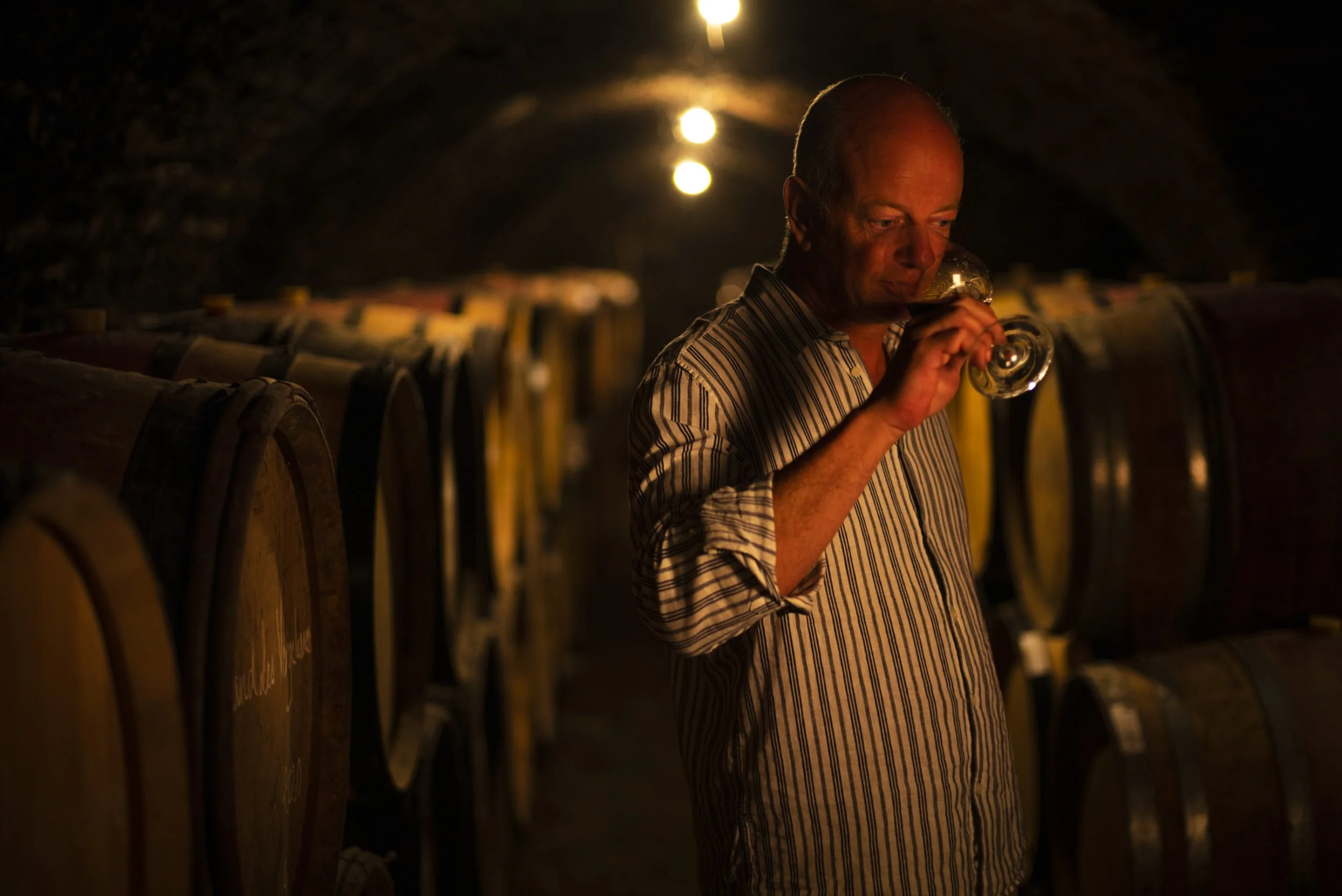
Domaine Chandon de Briailles is a producer in Côte de Beaune, Burgundy, France, presented in Biodyna’s Green Guide as a reference for thoughtful farming and wines with a clear sense of place.
Historic Côte de Beaune estate owned by the de Nicolay family since 1834. Benchmark biodynamic domaine. Savigny-lès-Beaune, Pernand-Vergelesses, Aloxe-Corton, Corton Grand Cru. Horse plowing, native yeasts.
The project is defined by its practices: Biodynamic (certified). Farming and cellar work are kept as close to the vineyard as possible, with an emphasis on soil life, manual care, and wines that taste of their origin rather than of the cellar.
Like the longer portraits already published on The Green Guide, this profile is meant to be read as a full introduction — who they are, how they farm, and what is in the glass — not as a short product blurb.
The wines
The range is built to show the estate rather than a single cuvée. Expect wines that are drinkable young, marked by fruit, energy and texture, and shaped by the farming described above.
Pinot Noir: red/dark berries, rose, earth, spice, limestone tension; Premier and Grand Cru add depth.
Chardonnay: orchard/citrus fruit, white flowers, wet-stone minerality.
Practices: Biodynamic (certified)
Origin: Côte de Beaune, Burgundy, France
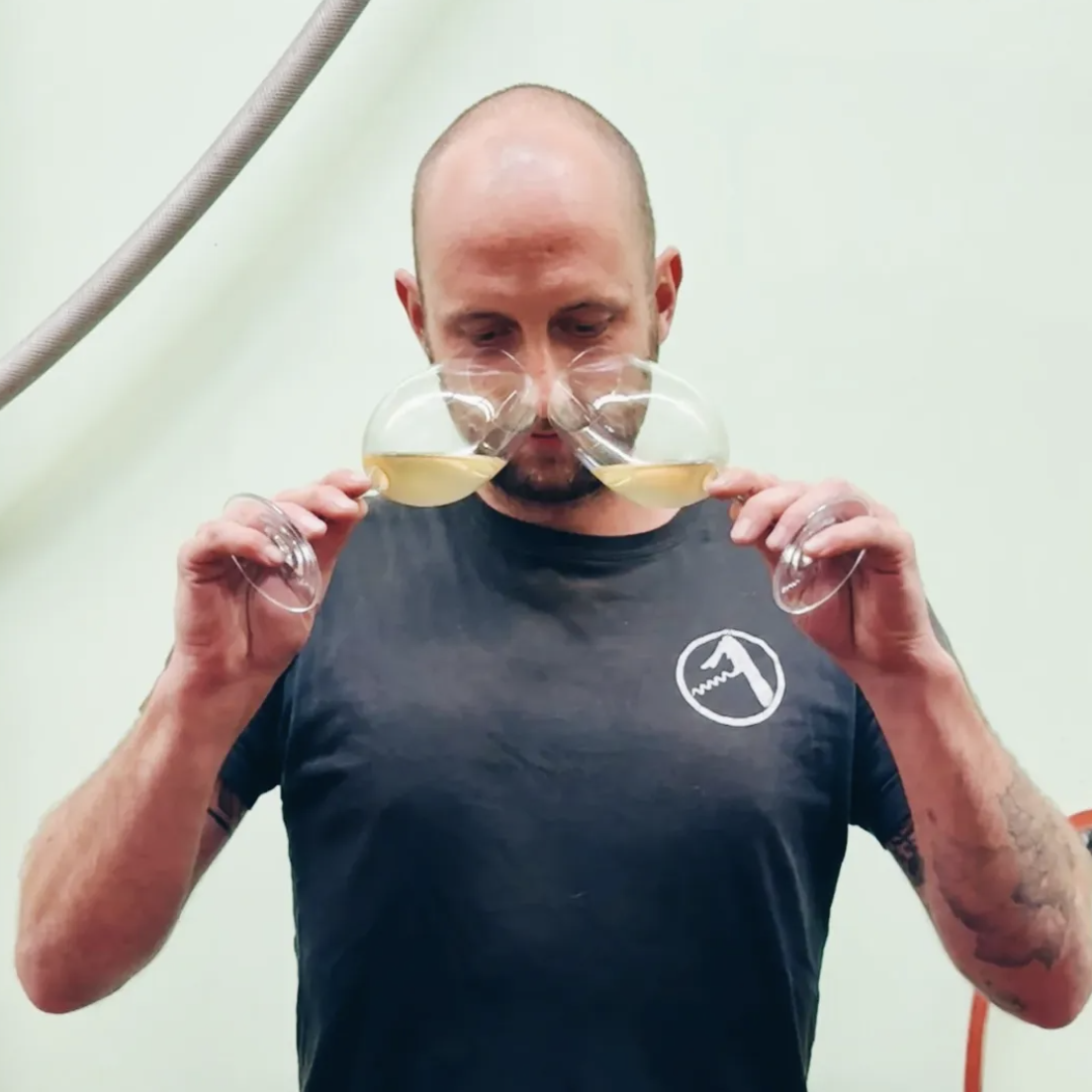
Weingut Rebhalde is a producer in Stäfa, Lake Zurich, Switzerland, presented in Biodyna’s Green Guide as a reference for thoughtful farming and wines with a clear sense of place.
Fourth-generation family estate above Lake Zurich. 9 ha steep plots at 405-530 m. Organic from 2023. Indigenous Räuschling plus international varieties.
The project is defined by its practices: Organic (certified 2023), Biodynamic principles. Farming and cellar work are kept as close to the vineyard as possible, with an emphasis on soil life, manual care, and wines that taste of their origin rather than of the cellar.
Like the longer portraits already published on The Green Guide, this profile is meant to be read as a full introduction — who they are, how they farm, and what is in the glass — not as a short product blurb.
The wines
The range is built to show the estate rather than a single cuvée. Expect wines that are drinkable young, marked by fruit, energy and texture, and shaped by the farming described above.
Stäfner Räuschling: crisp, precise, lake-cooled.
Lean mineral whites.
Reds (Pinot Noir, Blaufränkisch, Zweigelt, Pinotage, Syrah): lighter frames, fresh red fruit. Skin-contact and pét-nats.
Practices: Organic (certified 2023), Biodynamic principles
Origin: Stäfa, Lake Zurich, Switzerland
Instagram: https://www.instagram.com/weingut.rebhalde/
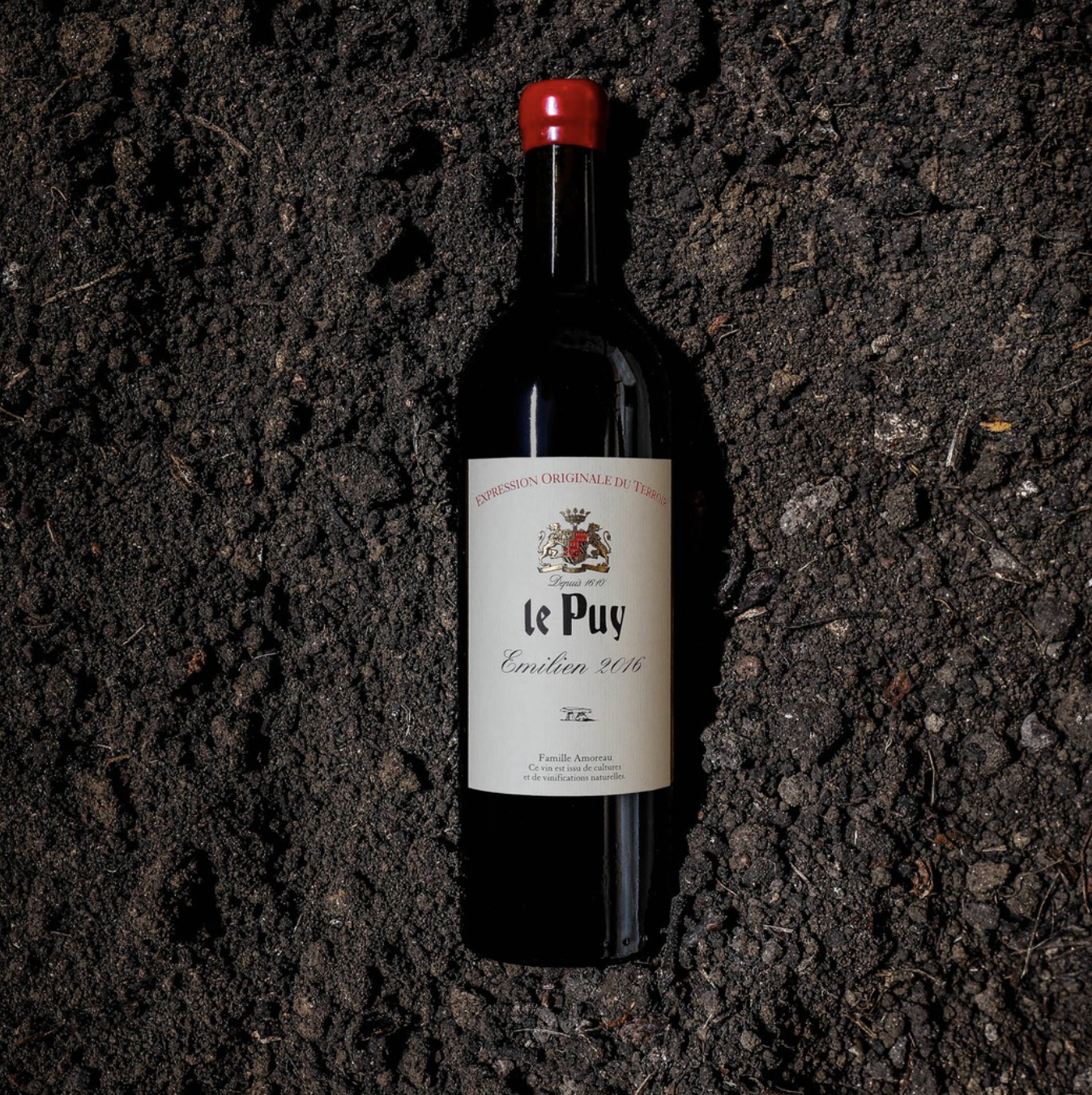
Château Le Puy is a producer in Hills above Saint-Émilion, Bordeaux, France, presented in Biodyna’s Green Guide as a reference for thoughtful farming and wines with a clear sense of place.
Amoreau family estate farmed for over 400 years on limestone-clay slopes above Saint-Émilion. Never used chemical treatments. Horse plowing, native yeasts. Original Bordeaux natural voice.
The project is defined by its practices: Biodynamic, Natural (often little/no added sulfites). Farming and cellar work are kept as close to the vineyard as possible, with an emphasis on soil life, manual care, and wines that taste of their origin rather than of the cellar.
Like the longer portraits already published on The Green Guide, this profile is meant to be read as a full introduction — who they are, how they farm, and what is in the glass — not as a short product blurb.
The wines
The range is built to show the estate rather than a single cuvée. Expect wines that are drinkable young, marked by fruit, energy and texture, and shaped by the farming described above.
Barthélemy: Merlot + Cabernet Sauvignon in old oak - dark cherry, forest floor, mineral.
Emilien: brighter younger-vine red.
Rosé Marie: deep structured rosé. Duc des Nauves white. Retour des Iles briefly sea-aged.
Practices: Biodynamic, Natural (often little/no added sulfites)
Origin: Hills above Saint-Émilion, Bordeaux, France
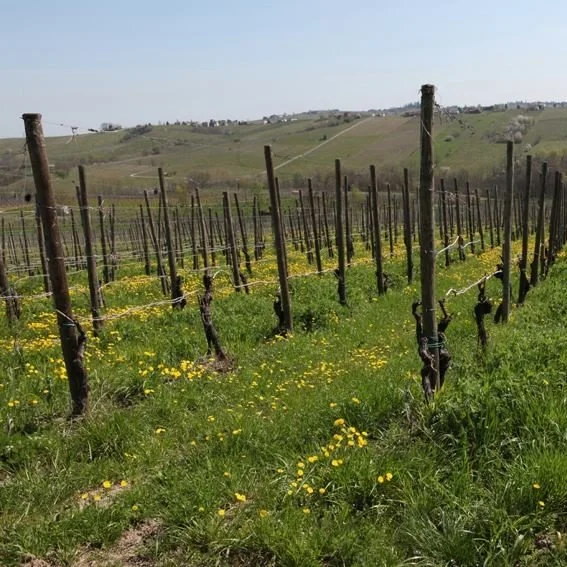
Perego & Perego is a producer in Rovescala, Oltrepò Pavese, Italy, presented in Biodyna’s Green Guide as a reference for thoughtful farming and wines with a clear sense of place.
Family winery of brothers Marco and Giorgio Perego in Rovescala. 10-11 ha clay-limestone. Organic, manual harvest, very low sulphites.
The project is defined by its practices: Organic, Natural (low sulphur, no synthetic yeasts). Farming and cellar work are kept as close to the vineyard as possible, with an emphasis on soil life, manual care, and wines that taste of their origin rather than of the cellar.
Like the longer portraits already published on The Green Guide, this profile is meant to be read as a full introduction — who they are, how they farm, and what is in the glass — not as a short product blurb.
The wines
The range is built to show the estate rather than a single cuvée. Expect wines that are drinkable young, marked by fruit, energy and texture, and shaped by the farming described above.
Croatina (Bonarda) reds with Barbera: dark fruit, earth, herbs.
Giubilo/Barocco more structured.
Orange whites from Riesling, Cortese, Malvasia.
Rosés and pét-nats.
Unfiltered.
Practices: Organic, Natural (low sulphur, no synthetic yeasts)
Origin: Rovescala, Oltrepò Pavese, Italy
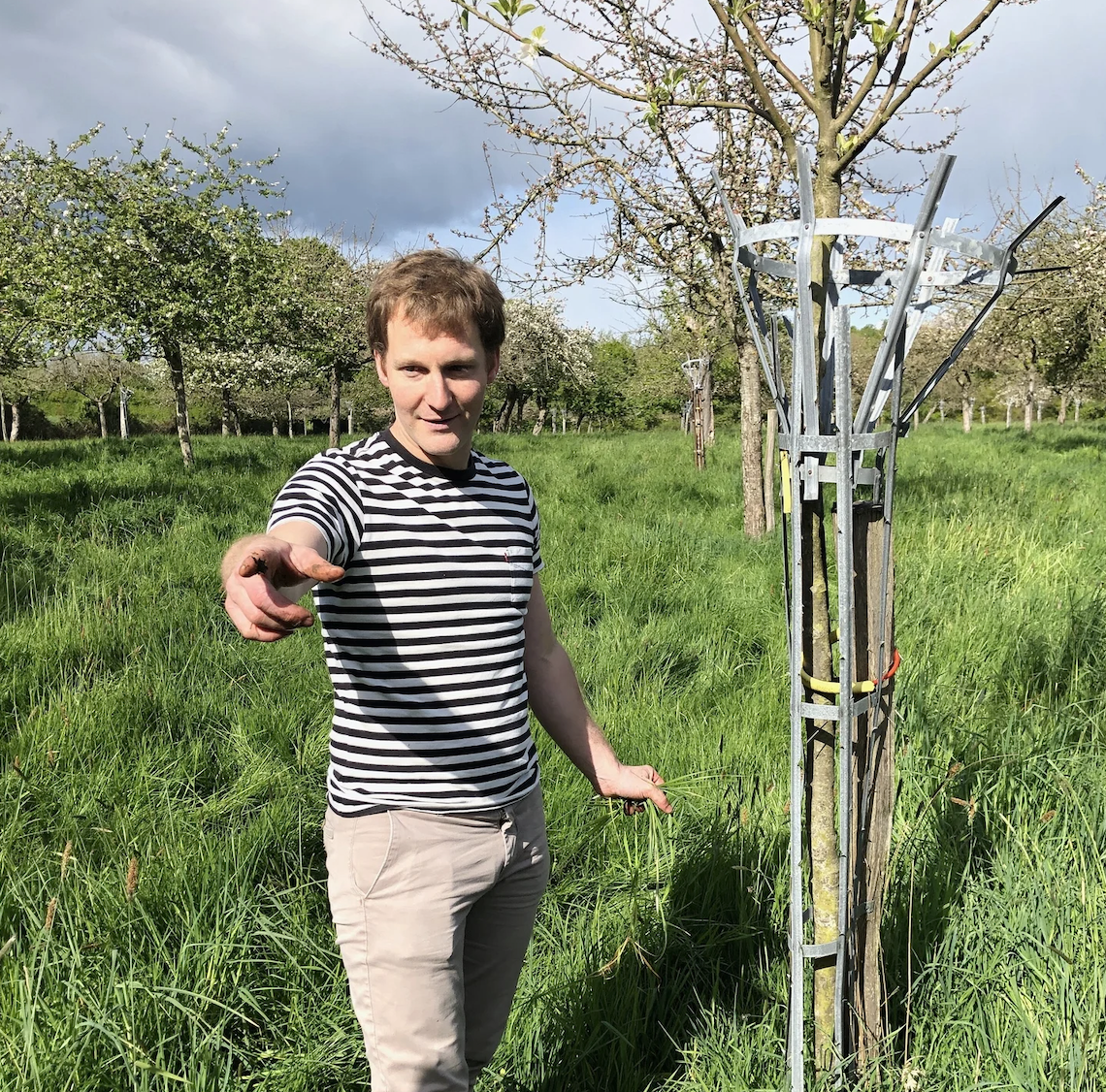
Domaine Lesuffleur is a producer in Normandy, France, presented in Biodyna’s Green Guide as a reference for thoughtful farming and wines with a clear sense of place.
Historic Normandy estate renowned for organic and biodynamic orchard farming. Benchmark traditional cider and poiré.
The project is defined by its practices: Organic, Biodynamic. Farming and cellar work are kept as close to the vineyard as possible, with an emphasis on soil life, manual care, and wines that taste of their origin rather than of the cellar.
Like the longer portraits already published on The Green Guide, this profile is meant to be read as a full introduction — who they are, how they farm, and what is in the glass — not as a short product blurb.
The wines
The range is built to show the estate rather than a single cuvée. Expect wines that are drinkable young, marked by fruit, energy and texture, and shaped by the farming described above.
Ciders and poirés: complex orchard fruit, gentle tannins, vibrant acidity.
Dry, structured, age-worthy.
(Cider/perry.)
Practices: Organic, Biodynamic
Origin: Normandy, France
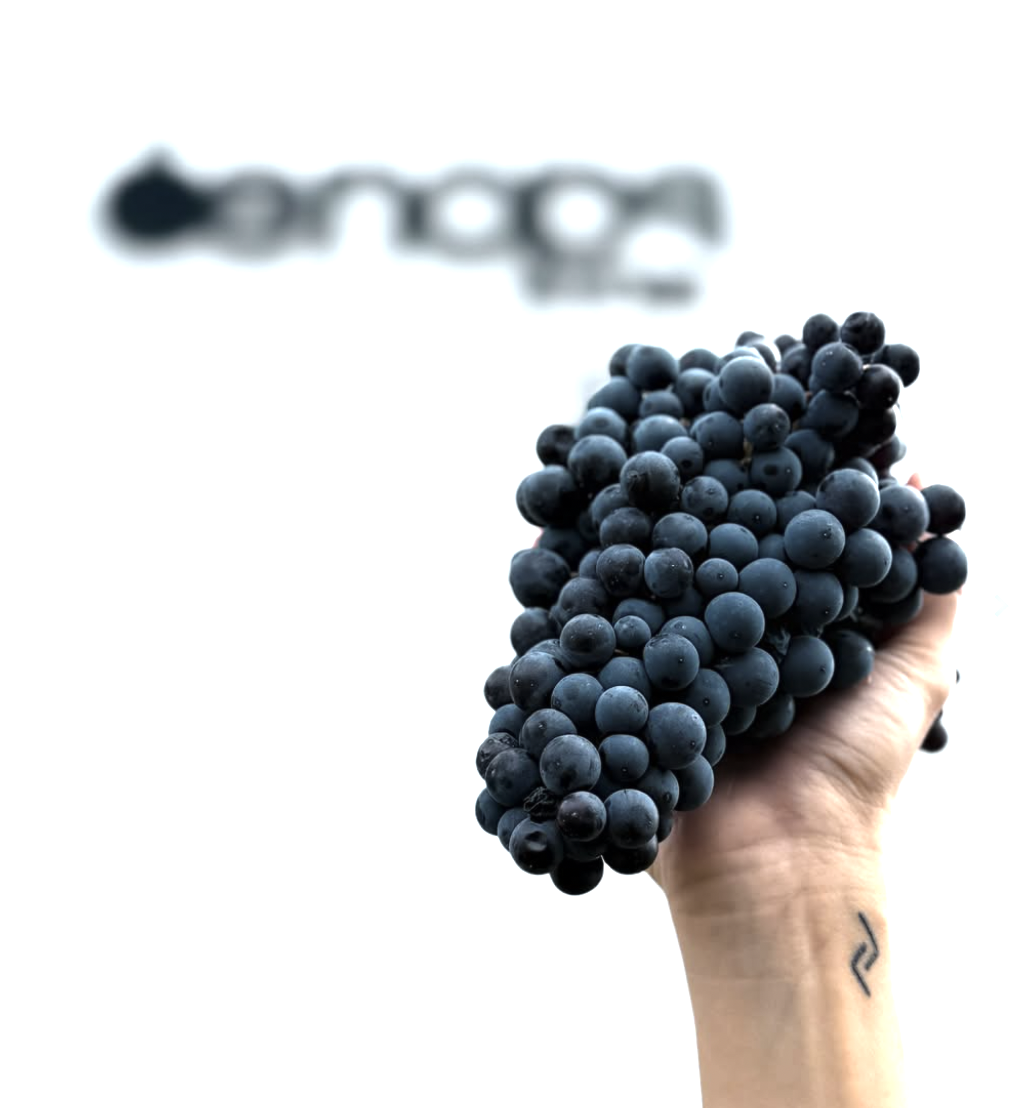
Oenops, Drama, northern Greece, and a project whose name says it all. Oenops means “wine face,” and the face behind it is Nikos Karatzas, a Bordeaux-trained winemaker who ran things as chief winemaker at Pavlidis at a ridiculously young age before going out on his own in 2015. Not a bad résumé, and the freedom he’s chasing shows in every bottle.
The model is what gets me. No vineyards owned. Karatzas works as a micro-négociant, finding growers across Greece who farm old vines and cool-climate sites, and then vinifies every plot separately, each one at least its own lot. Indigenous grapes only, Assyrtiko, Malagousia, Vidiano, Roditis, Xinomavro, Limniona, Mavroudi, Kidonitsa, a roll call of the stuff that makes Greek wine so thrilling right now.
Nothing’s dogmatic in the cellar. Stainless steel, concrete, a few old open-top barrels, no rigid protocols, just tasting and adapting to each lot. His stated aim is to become invisible in the wine, letting the grape and the place come through, and that’s exactly what you taste. Fresh, fruit-forward, elegant, never overdone.
Kidonitsa, the Peloponnese’s rising star, is crisp and medium-bodied with lively acidity and modest alcohol. Limniona is the one to hunt down if you haven’t tried it, with crazy potential. The Apla blends, white and red, are brilliant value emissaries for Greece in general, and Jancis Robinson and The Guardian have both rated Oenops highly, with The Guardian calling it a perfect introduction to Greek wine.
Great fruit, careful hands, honest prices. Greek wine at its most accessible and exciting.
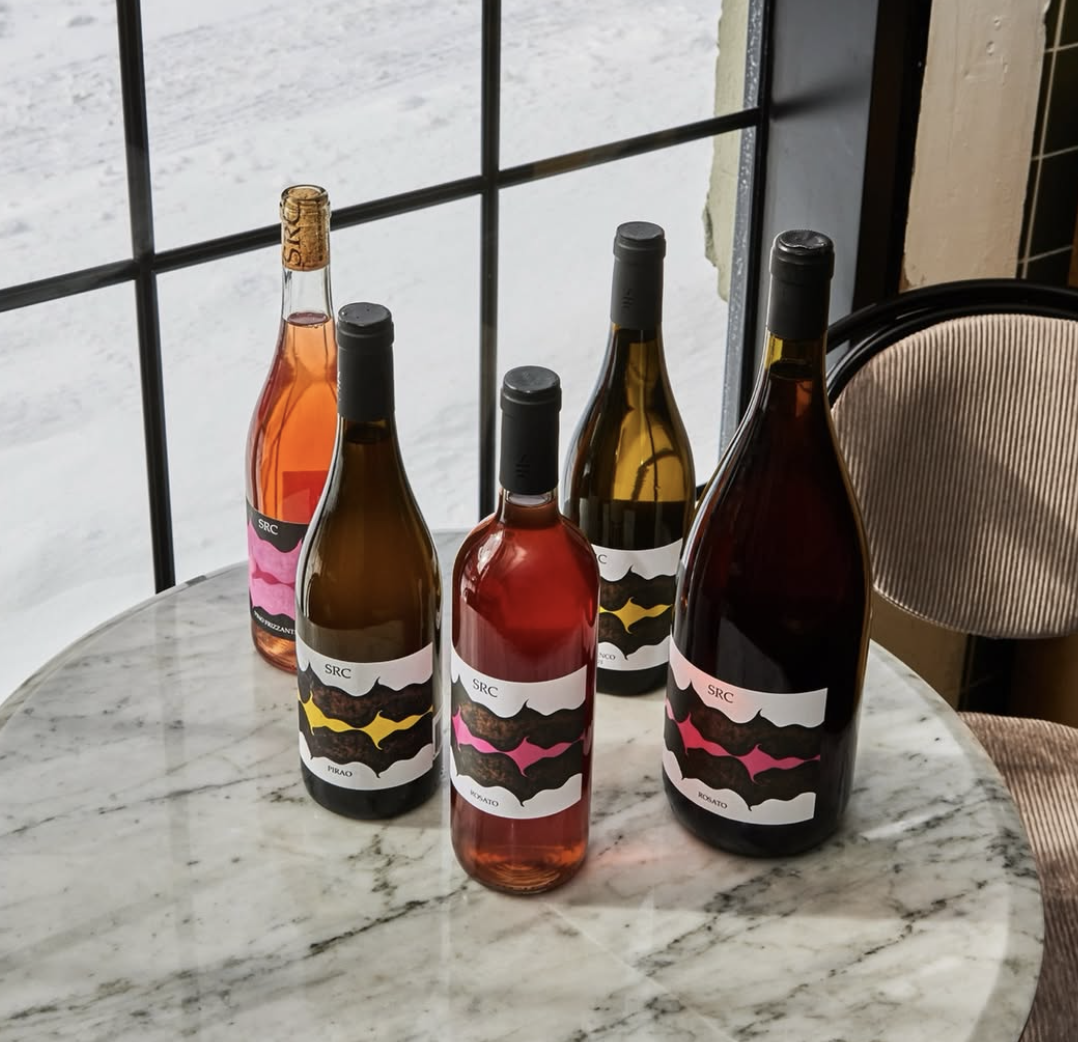
SRC Vini is a producer in Etna Nord, Contrada Calderara, Sicily, Italy, presented in Biodyna’s Green Guide as a reference for thoughtful farming and wines with a clear sense of place.
Family estate on Etna's northern slopes near Randazzo, founded 2013 by Rori, Cinzia and Sandra. Vines 50-120 years old at 650-1,000 m.
The project is defined by its practices: Organic, Natural (unfiltered/unfined, sulfites under 10 mg/L). Farming and cellar work are kept as close to the vineyard as possible, with an emphasis on soil life, manual care, and wines that taste of their origin rather than of the cellar.
Like the longer portraits already published on The Green Guide, this profile is meant to be read as a full introduction — who they are, how they farm, and what is in the glass — not as a short product blurb.
The wines
The range is built to show the estate rather than a single cuvée. Expect wines that are drinkable young, marked by fruit, energy and texture, and shaped by the farming described above.
Etna Rosso (Nerello Mascalese): red cherry, wild herb, ashen smoke.
Alberello old-bush taut and savory. Rivaggi: Nerello + Grenache. Pirao and Rinazzo Carricante whites. Anfora skin-contact. Rosato Frizzante.
Practices: Organic, Natural (unfiltered/unfined, sulfites under 10 mg/L)
Origin: Etna Nord, Contrada Calderara, Sicily, Italy
Instagram: https://www.instagram.com/src_vini/
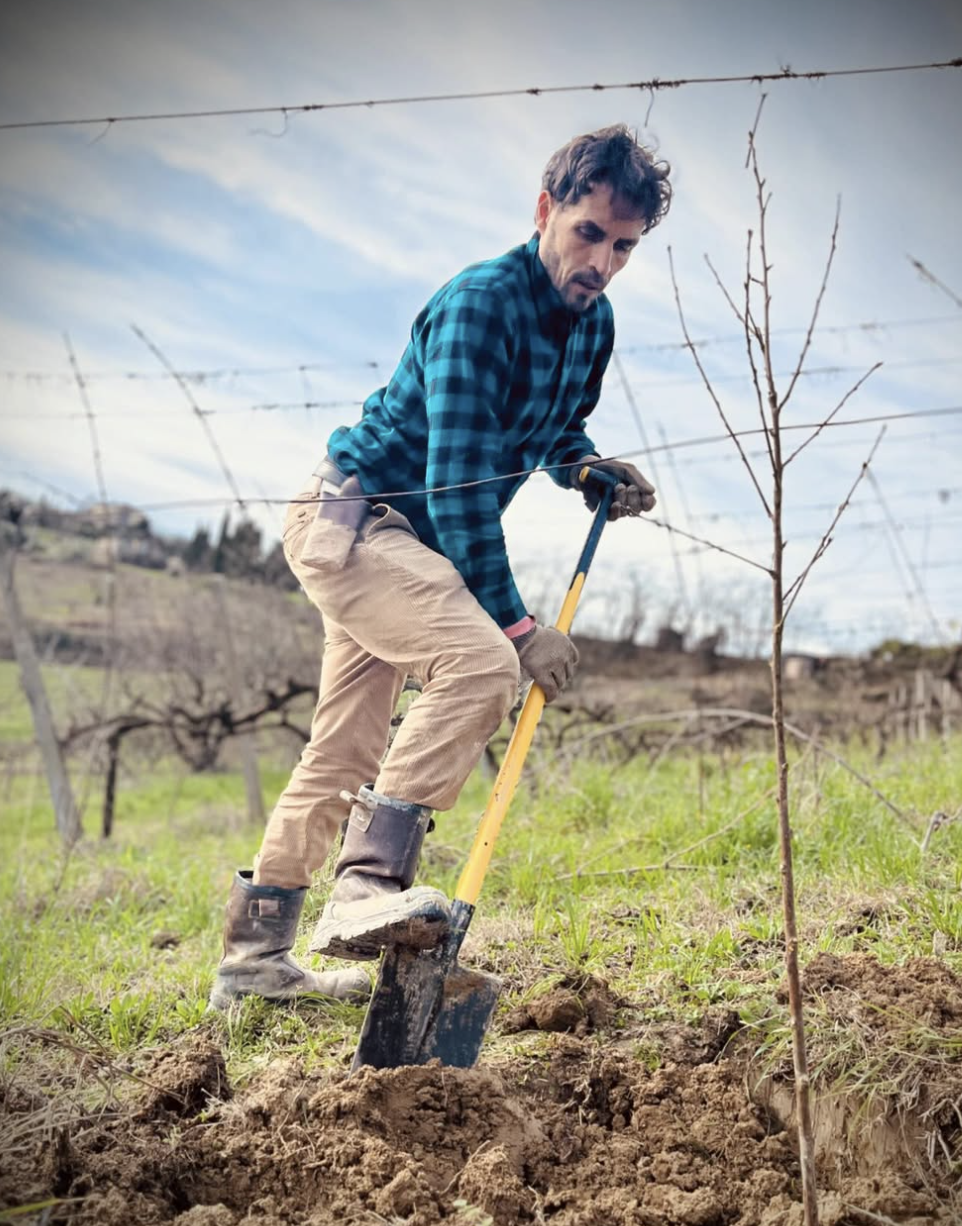
La Via del Colle is a producer in Bertinoro, Emilia-Romagna, Italy, presented in Biodyna’s Green Guide as a reference for thoughtful farming and wines with a clear sense of place.
Family organic estate in Bertinoro founded 1982, run by twins Francesco and Chiara. Diversified 30 ha farm including ~300 beehives. Spontaneous ferments, amphora, no sulphites. Wines only in healthy vintages.
The project is defined by its practices: Organic, Biodynamic, Natural (no added sulphites). Farming and cellar work are kept as close to the vineyard as possible, with an emphasis on soil life, manual care, and wines that taste of their origin rather than of the cellar.
Like the longer portraits already published on The Green Guide, this profile is meant to be read as a full introduction — who they are, how they farm, and what is in the glass — not as a short product blurb.
The wines
The range is built to show the estate rather than a single cuvée. Expect wines that are drinkable young, marked by fruit, energy and texture, and shaped by the farming described above.
Lopi Orange: Trebbiano, Pagadebit, Albana - lighter orange.
Ultra: 100% Albana, 15 days skins in amphora.
Lopi Rosso: Sangiovese + Syrah. Vedonero. Also Terrano/Cagnina.
Practices: Organic, Biodynamic, Natural (no added sulphites)
Origin: Bertinoro, Emilia-Romagna, Italy
Instagram: https://www.instagram.com/laviadelcolle.it/
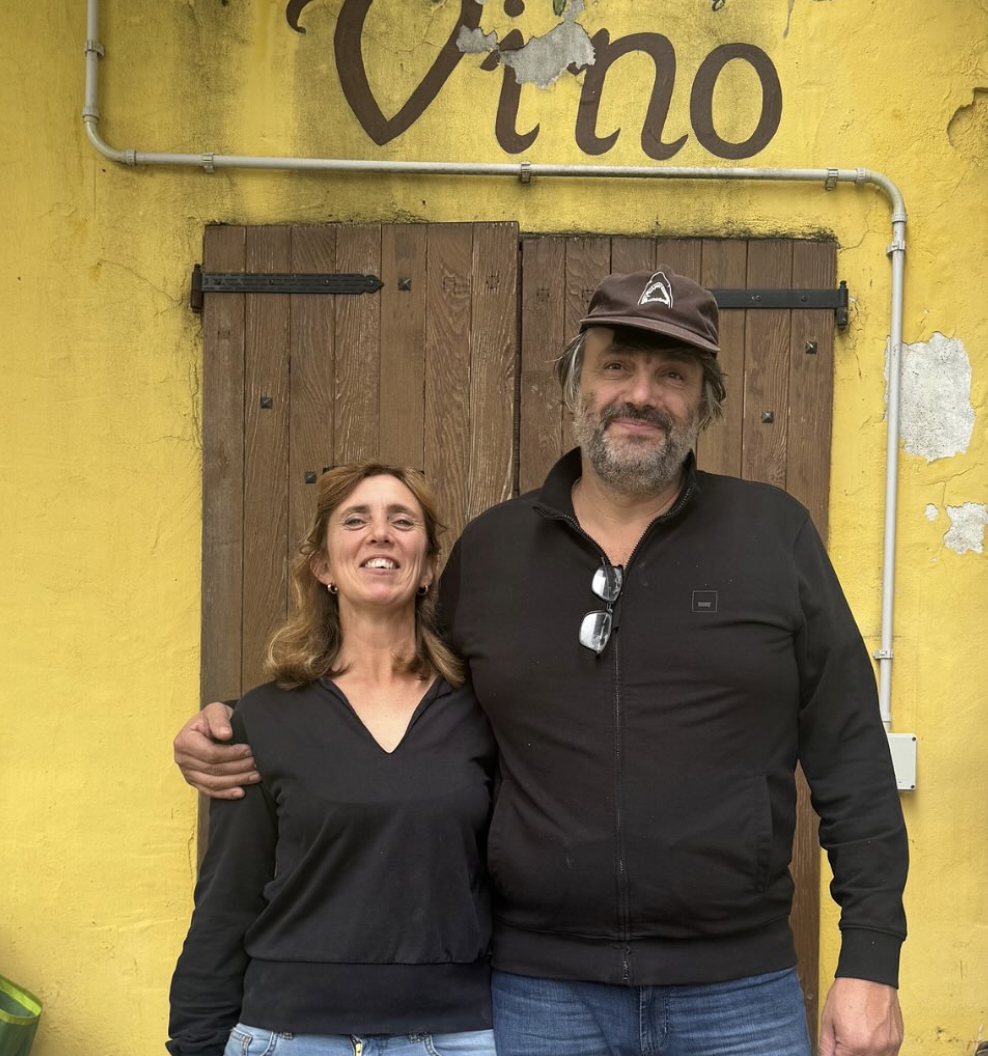
Sassara Vini is a producer in Bardolino / Custoza, Lake Garda, Italy, presented in Biodyna’s Green Guide as a reference for thoughtful farming and wines with a clear sense of place.
Biodynamic project on Monte Mamaor near Bardolino, run by Alessia and Stefano Bertaiola. Old vines on morainic/marine soils. Indigenous Corvina family and local whites.
The project is defined by its practices: Biodynamic, Natural. Farming and cellar work are kept as close to the vineyard as possible, with an emphasis on soil life, manual care, and wines that taste of their origin rather than of the cellar.
Like the longer portraits already published on The Green Guide, this profile is meant to be read as a full introduction — who they are, how they farm, and what is in the glass — not as a short product blurb.
The wines
The range is built to show the estate rather than a single cuvée. Expect wines that are drinkable young, marked by fruit, energy and texture, and shaped by the farming described above.
Esotico: co-ferment ~30% red + 70% white, 10 days skins, no sulfur - between orange and rosé.
Vydria Rossanella.
Natural Custoza, Bardolino and Chiaretto.
Practices: Biodynamic, Natural
Origin: Bardolino / Custoza, Lake Garda, Italy
Instagram: https://www.instagram.com/sassara_vini/
SHOWCASE : TASTE
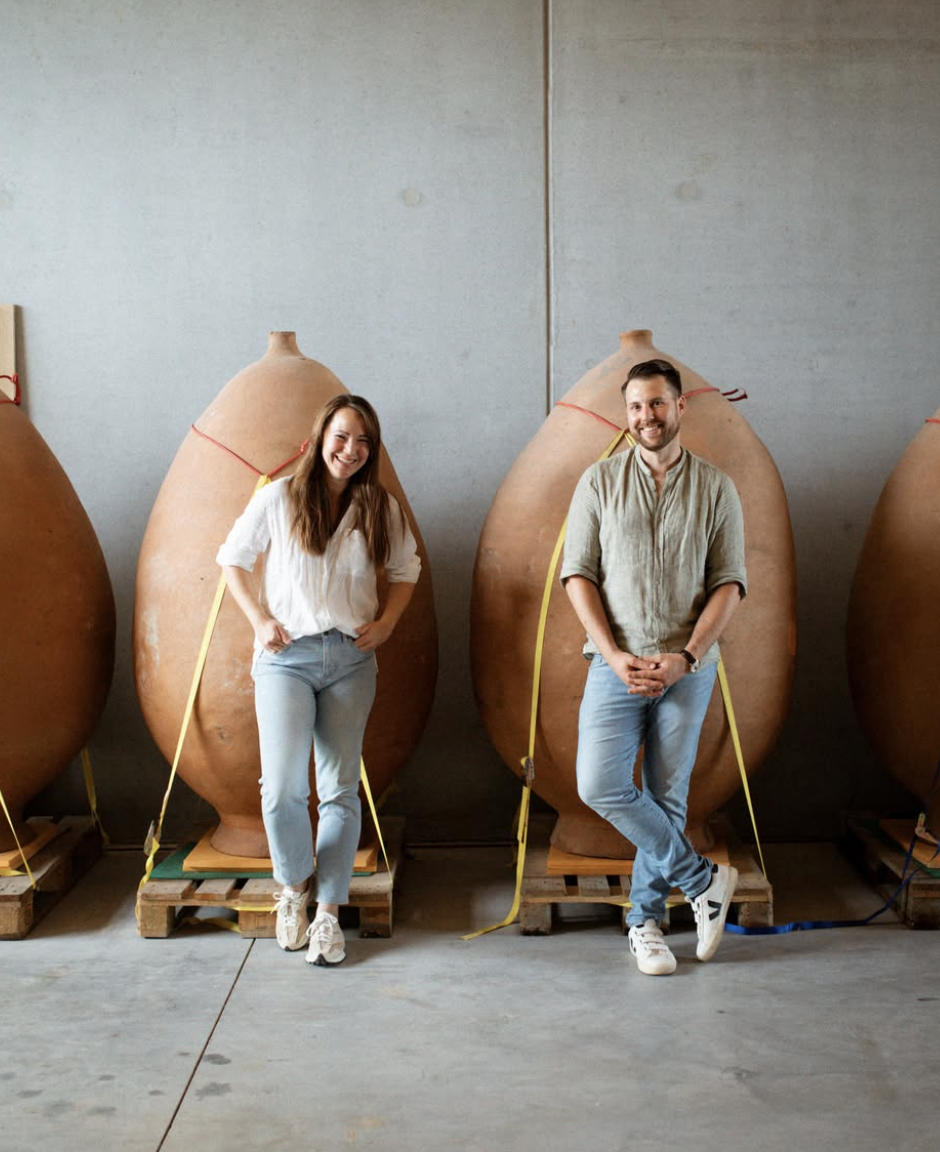
Weingut Bianka und Daniel Schmitt, Flörsheim-Dalsheim, Wonnegau, southern Rheinhessen, and a pair who’ve done a huge amount to change what people think this region can be. Daniel’s family has been on this land for over 230 years, originally cereal and sugar beet farmers, with Daniel and his Hungarian-born wife Bianka taking over in 2012 as the fourth generation. Rheinhessen has long been known for bulk production, and these two went the other way.
Sixteen hectares, Demeter biodynamic, one of only about 80 producers in Germany with certification. Their approach comes from around twenty years of hands-on experience at other wineries, plus years of learning and practical work, rather than from any one teacher. They work to the lunar calendar with horn manure, horn silica and cover crops, no synthetic inputs, and a deliberate push to build biotopes that bring wildlife back to the vineyard. Clay, limestone and sandstone soils, hand harvested, with yields kept low.
In the cellar it’s spontaneous ferments, neutral oak and amphora, and a patient approach to clarity. The wines are allowed to settle naturally and are bottled as clear as possible. Sulphites are used for stability, but kept relatively low. It’s careful, considered winemaking rather than a dogma.
The three wines I’ve tasted are a great snapshot. Freiheit Riesling is light and fresh, all bright citrus and crunchy green apple, from the Freiheit range that has replaced their earlier Frei.Körper.Kultur wines. Furmint NF is mineral and straightforward, taut and clean. And the Nieder-Flörsheimer Pinot Noir, off loam, clay and limestone marl, is elegant and beautifully balanced. Three different wines, all with real poise.
Rheinhessen is now the epicentre of a new wave in German winemaking, and Bianka and Daniel are right in the middle of it. Playful labels, serious farming, wines that get rounder and more harmonious the longer the bottle’s open.
Joyful, honest and balanced. Rheinhessen at its most exciting.
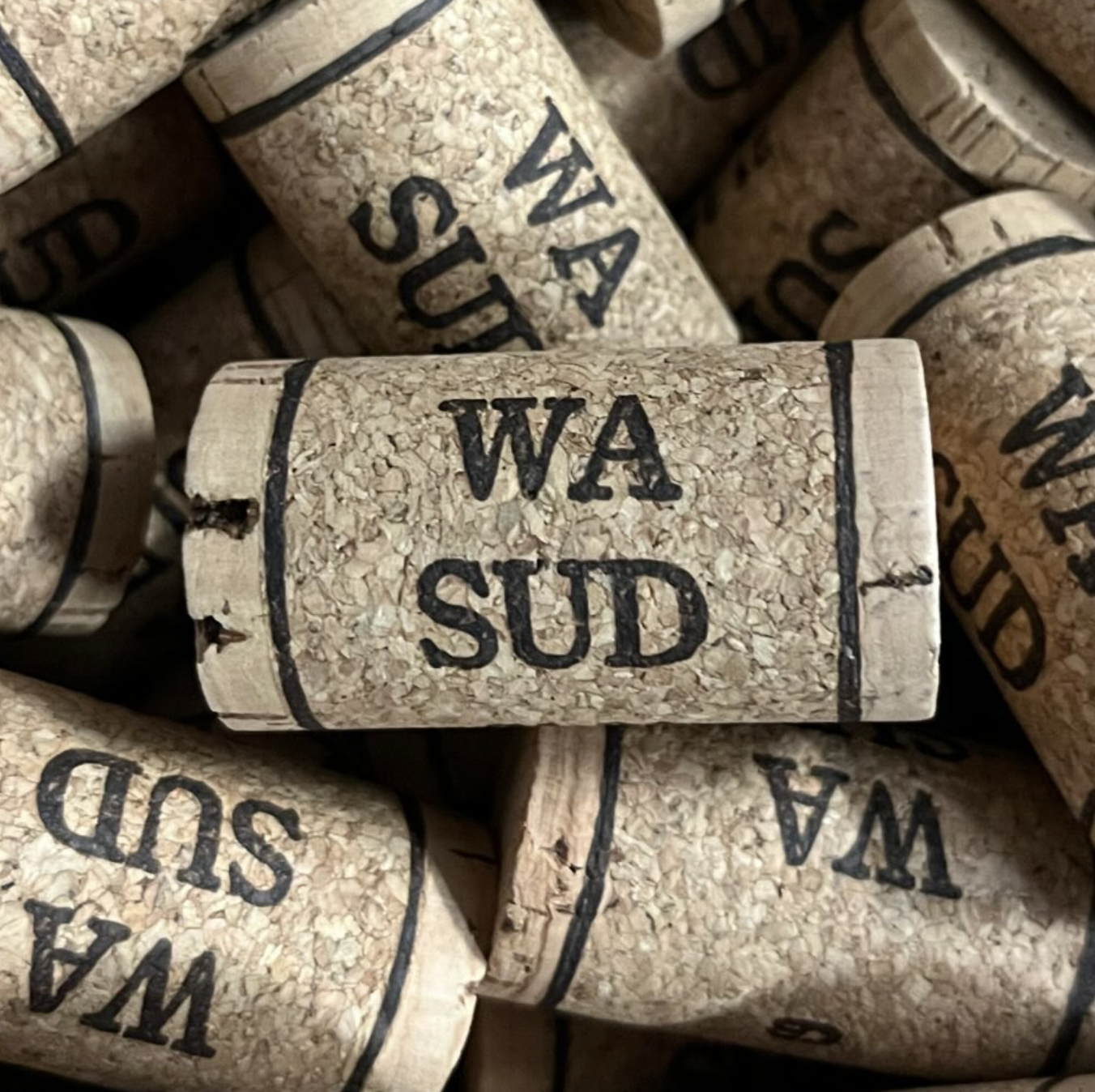
Wa Sud, Assignan, Hérault, Languedoc, and one of the most quietly brilliant Japanese-in-France stories going. Kohki Iwata was working in a natural wine bar in Osaka for around five years when he decided to cross the world and learn how it’s actually done. He landed in France in 2008 and went straight to the deep end, two months with Olivier Cousin in the Loire, six months with Jean Foillard in Beaujolais, then four years at the Caves Augé in Paris from 2010. A pretty serious education for a guy still finding his feet.
In 2015 he ended up at Domaine des Soulié in Saint-Chinian, a 27 hectare estate that’s been organic since 1960 and runs on 100 percent green electricity. He and his wife settled nearby in Assignan, and in 2016 he started vinifying grapes bought from the Soulié vines, clay-limestone soils at 250 metres, certified organic. Funding came partly from a Japanese company, the SAS Wa Sud was born in 2017, and the whole thing runs as a négociant. Tiny production, around 5,000 bottles, and every one of them counts.
What I love is the clarity. Wines made with as little as possible, mostly no sulphur, nothing added, no tricks. Souriez is pure Syrah, fresh, fluid and incredibly drinkable, with a gorgeous fruit that doesn’t taste like typical southern Syrah at all. Pino’c is 100 percent Pinot Noir, a clever wink at Languedoc’s “oc,” destemmed, fermented in stainless, a year in 500 litre barrels, pure and fine. Cuvée Wa is the Pinot Noir and Cinsault blend, perfumed and light on its feet. And there’s Kadodépart, a pétillant rosé built for drinking in the sun. Wa in Japanese means harmony, and the wines taste like it.
Quiet, precise and genuinely thoughtful, and the kind of wine meant to lift an ordinary meal. A very good reason to keep an eye on the Languedoc’s quieter corners.
Grau Baumé is a producer in Douro Valley, Portugal, presented in Biodyna’s Green Guide as a reference for thoughtful farming and wines with a clear sense of place.
Experimental project of Ana Hespanhol and Hugo Mateus beside historic Quinta do Zimbro in the Douro. Organic indigenous varieties. Red, white, rosé, orange and pét-nat.
The project is defined by its practices: Organic, Natural / minimal intervention. Farming and cellar work are kept as close to the vineyard as possible, with an emphasis on soil life, manual care, and wines that taste of their origin rather than of the cellar.
Like the longer portraits already published on The Green Guide, this profile is meant to be read as a full introduction — who they are, how they farm, and what is in the glass — not as a short product blurb.
The wines
The range is built to show the estate rather than a single cuvée. Expect wines that are drinkable young, marked by fruit, energy and texture, and shaped by the farming described above.
UNDO Skin Contact orange (Albariño, Arinto and others).
UNDO Red, White and Pet Nat.
Grau Baumé Tinto: Tinta Cão/Tinta Roriz, schist minerality. Rosé and Pipa red. Estágio Longo longer-aged.
Practices: Organic, Natural / minimal intervention
Origin: Douro Valley, Portugal
Instagram: https://www.instagram.com/graubaume/
14 ARTISANS
200+ WINES
AUSTRALIA - AUSTRIA - FRANCE - GERMANY - GREECE - ITALY - PORTUGAL -SWITZERLAND
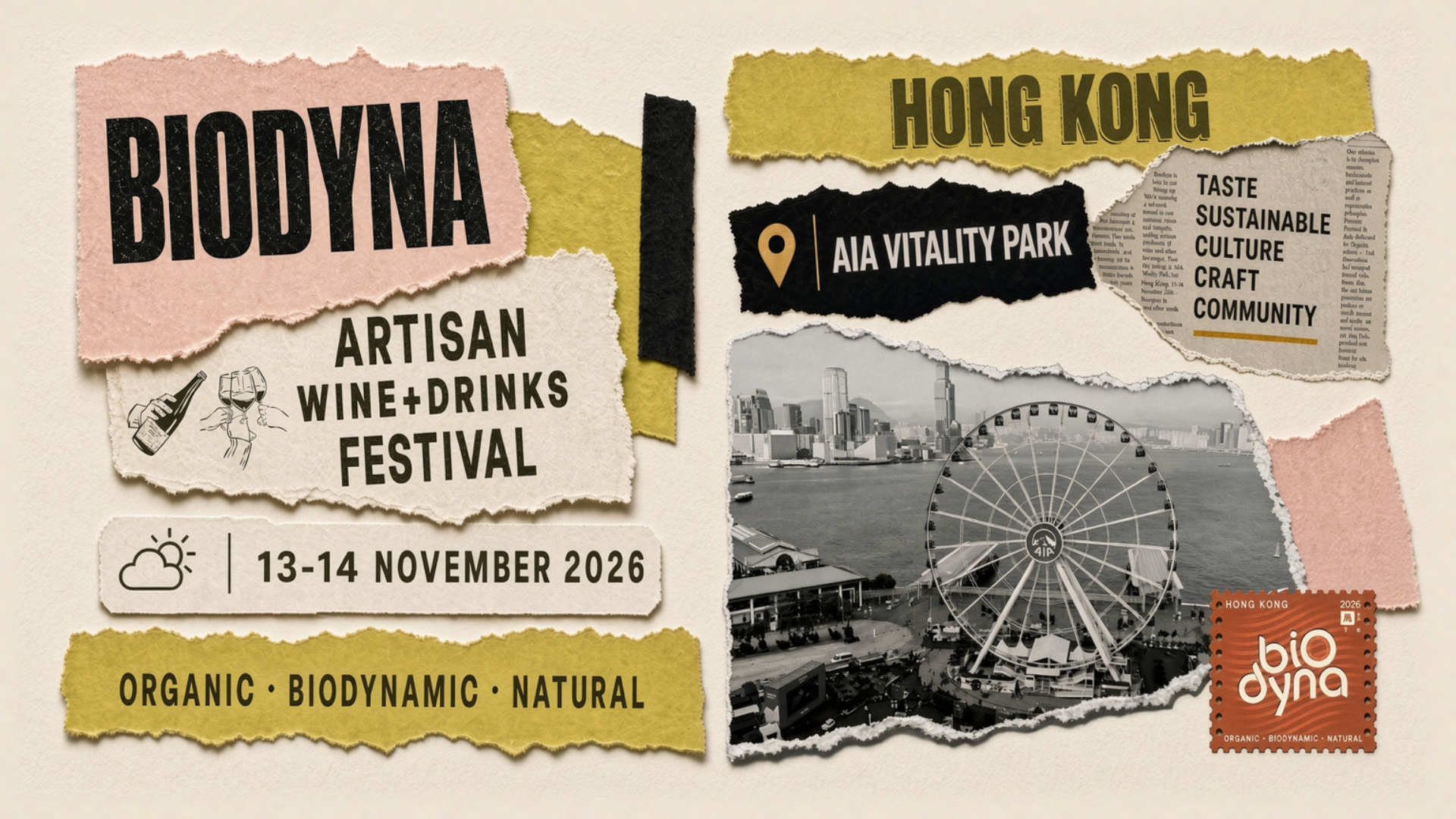
2-day outdoor Festival celebrating artisan organic, biodynamic & natural wines and sustainable craft drinks. TASTE • MEET • CELEBRATE
Biodyna Wine + Drinks Festival
A little less ordinary. Two days by the harbour to taste, meet and celebrate.
Every ticket includes an official Biodyna wine glass and tastings of the festival’s 200+ drinks. You can taste each drink once. A large selection will also be available to buy and enjoy at the festival or take home.
Biodyna Trade & Media Session
2:00 PM - 5:00 PM
A dedicated afternoon for trade professionals and media to taste across 300+ wines and drinks, meet participating producers and connect with the people shaping the drinks trade. Access is by trade registration only.
Biodyna Festival - Friday 13 November
5:00 PM - 10:00 PM
The festival opens to the public for an evening of artisan drinks, producer meet-ups and live music on the harbourfront. Explore 300+ wines and drinks, with tastings included in your ticket.
Biodyna Festival - Saturday 14 November
12:00 PM - 7:00 PM
Spend the day tasting, meeting producers and enjoying live music at the harbourfront. Explore 300+ wines and drinks, with tastings included in your ticket and selected bottles and drinks available to enjoy at the festival or take home.
At the festival
Taste wines and drinks from independent producers
Meet the makers and discover how their drinks are made.
Enjoy live music in an outdoor harbourfront setting.
Buy selected drinks to enjoy at the festival or take home.
Event details
13–14 November 2026
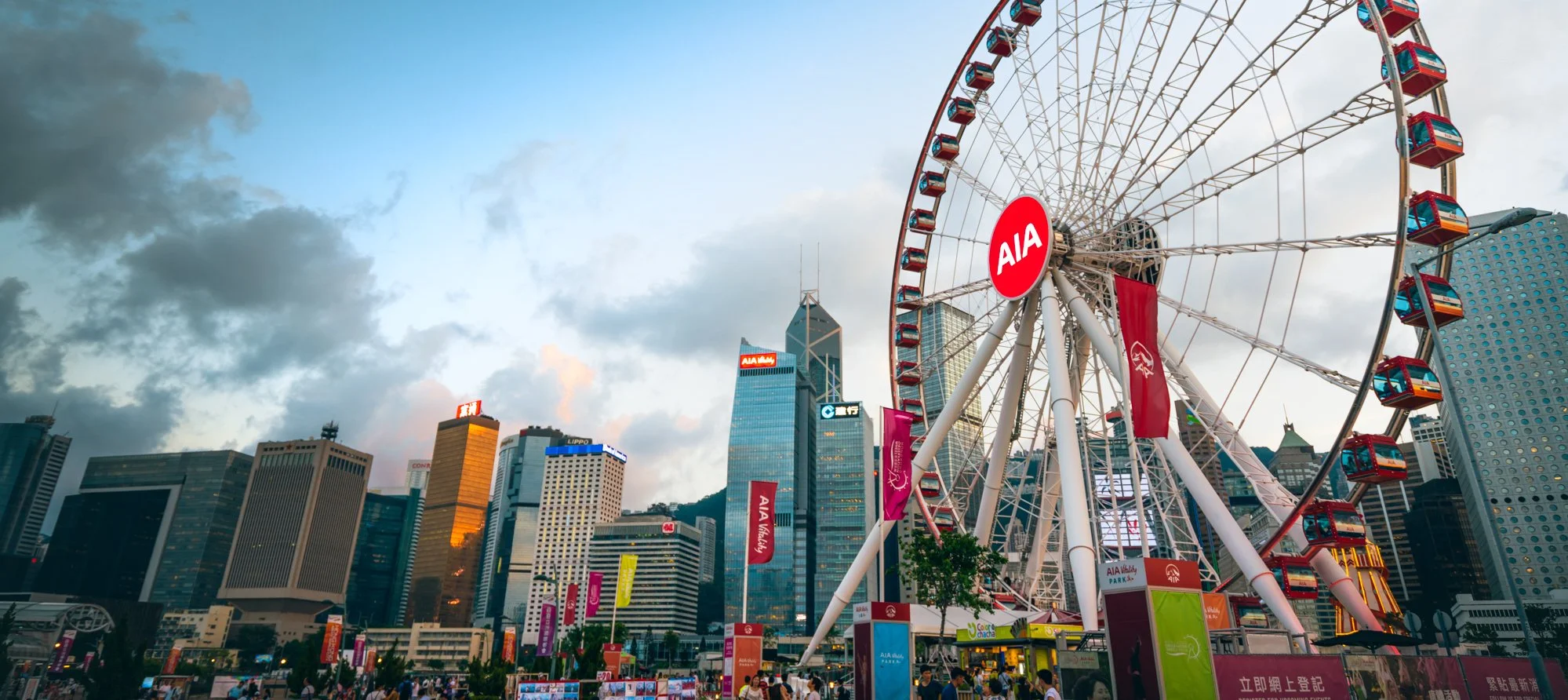
AIA Vitality Park, Central Harbourfront, Hong Kong
Beside the Hong Kong Observation Wheel, near Central Pier 8. Look out for Biodyna signs at the entrance on the right-hand side of the wheel.