
 Image 1 of 5
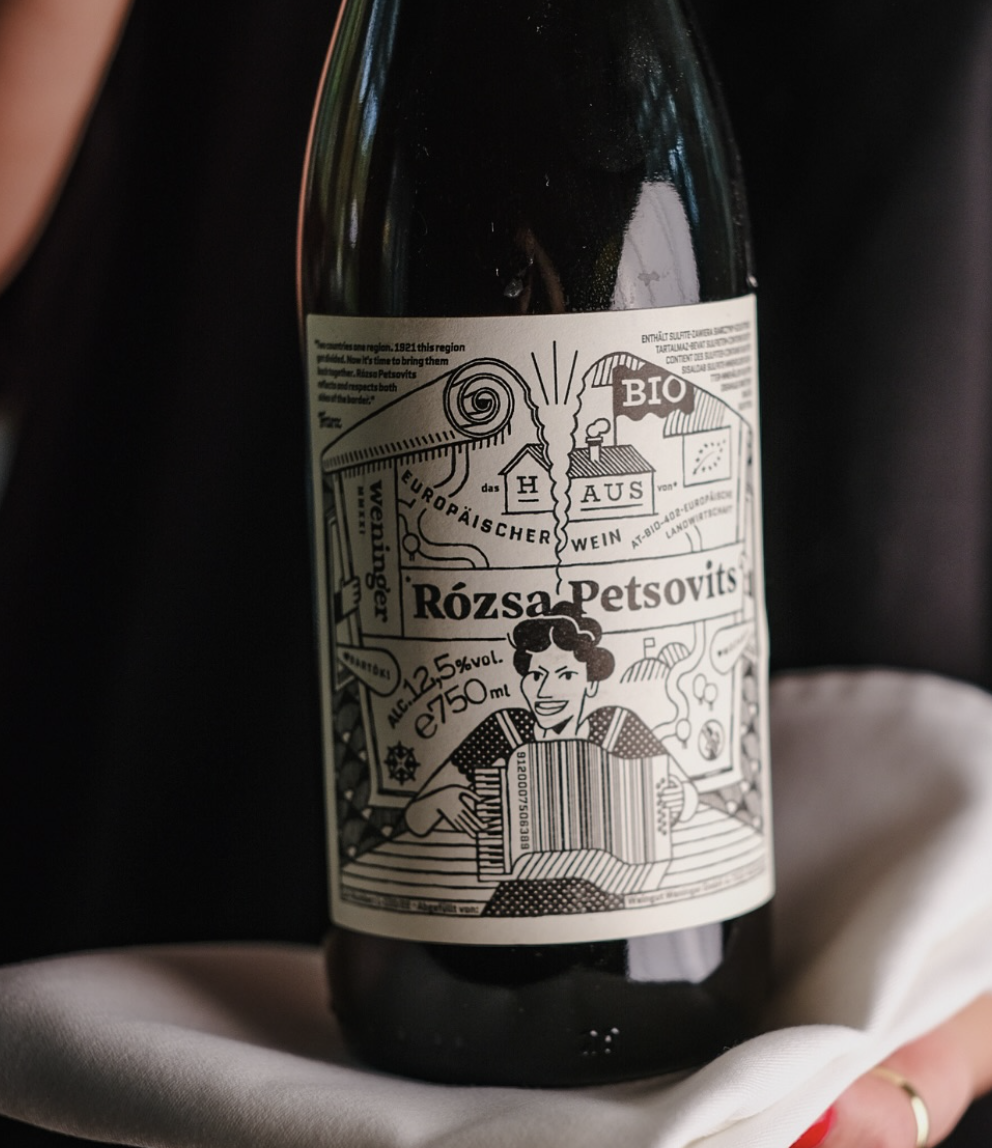 Image 2 of 5
 Image 3 of 5
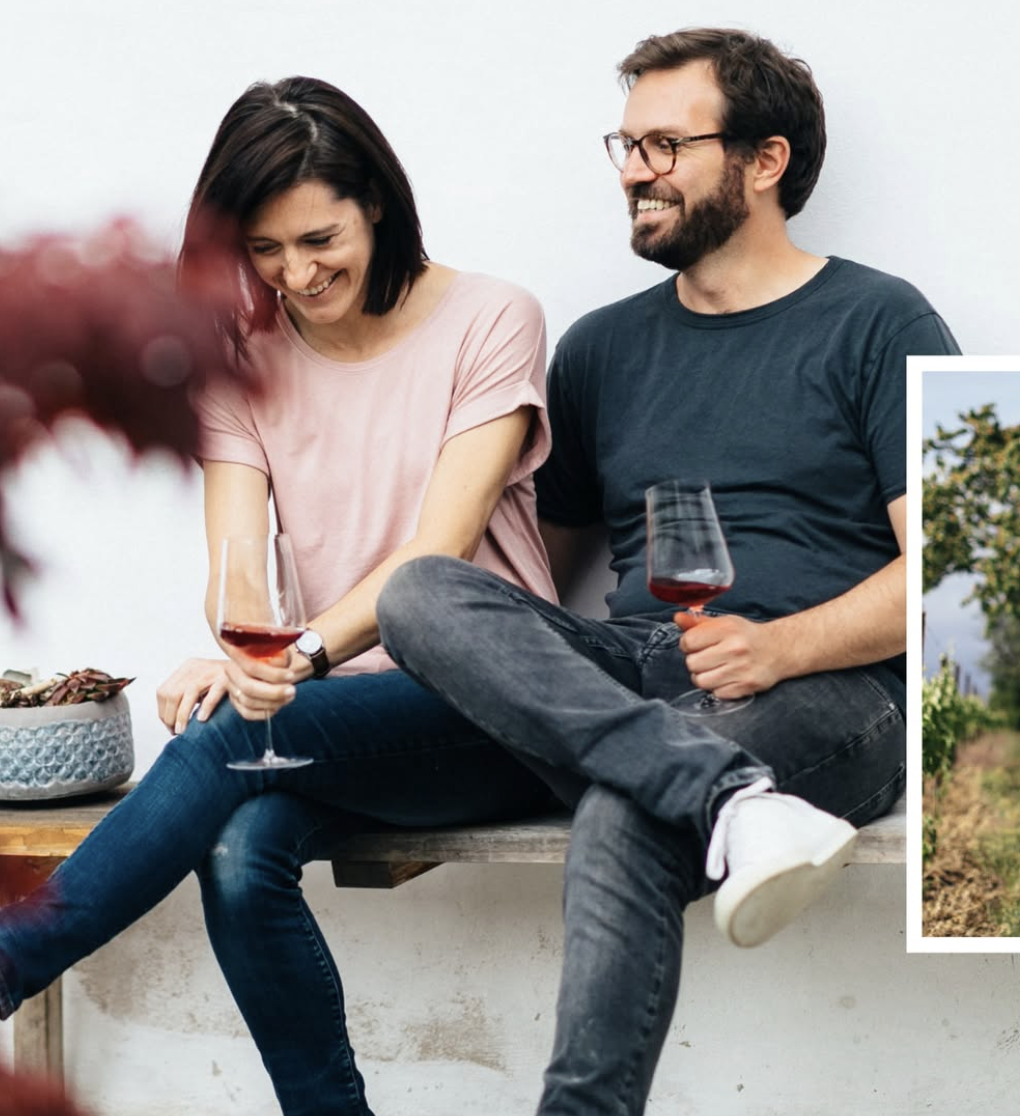 Image 4 of 5
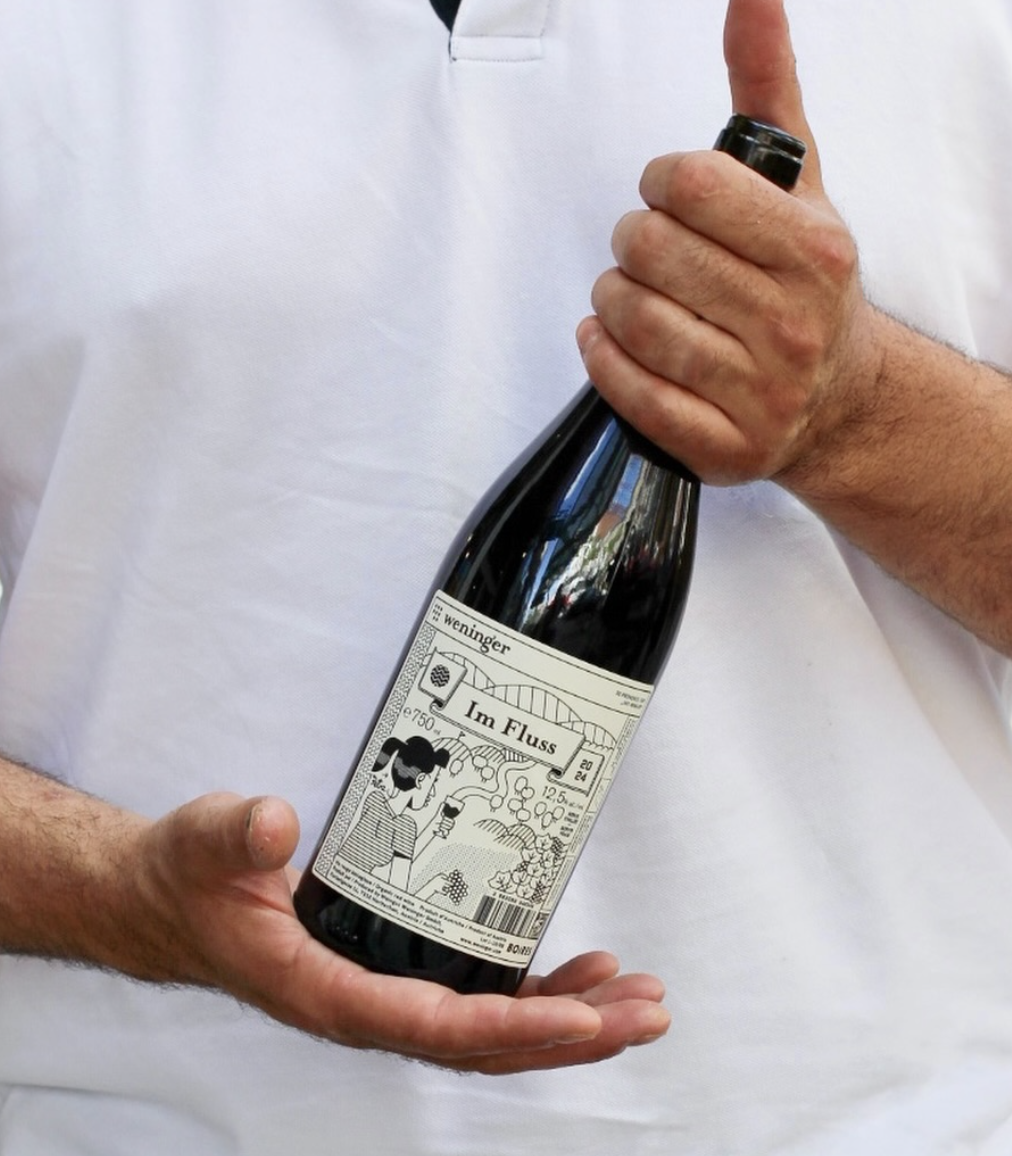 Image 5 of 5
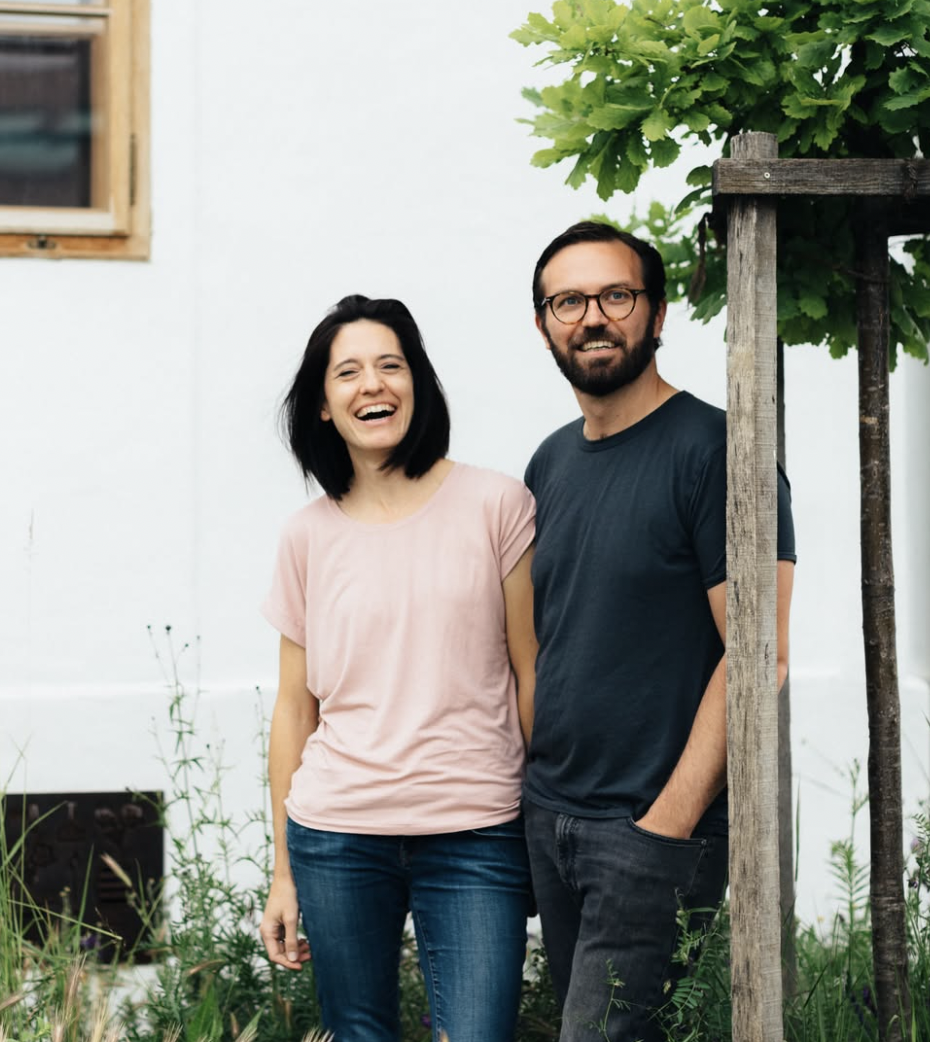
Franz Weninger — Horitschon, Mittelburgenland, and genuinely one of the names you have to mention when you talk about Blaufränkisch done properly. Family's been farming this ground since 1828, but it's Franz Weninger — trained at Klosterneuburg, took the reins from his father back in 2011 alongside wife Petra — who dragged the whole estate toward biodynamics, organic since 2005, biodynamic from 2006, Demeter and respekt-BIODYN certified.
Twenty-eight hectares in Horitschon, another twenty-two just over the border in Balf, Hungary — Sopron, considered by many the actual birthplace of Blaufränkisch, so Franz is working about as close to the grape's spiritual home as you can get. Iron-rich clay soils, single vineyard sites like Dürrau, Hochäcker and Kirchholz doing serious, reference-point work for what this variety can really achieve.
Cellar side stays uncompromising — spontaneous fermentation with wild yeast, no fining, no filtration, barely any sulfur, aged in big old wood, concrete eggs, even handcrafted clay amphora. Franz himself has become something of a fixture in the international natural wine scene, pushing the region forward even when it's cost him along the way — pioneers usually pay for it early.
Purist, origin-driven, spicy and structured rather than big and oaky. Dark berries, pepper, violet, real tension in the glass. This is what Blaufränkisch looks like when someone genuinely respects where it comes from.
Franz Weninger — Horitschon, Mittelburgenland, and genuinely one of the names you have to mention when you talk about Blaufränkisch done properly. Family's been farming this ground since 1828, but it's Franz Weninger — trained at Klosterneuburg, took the reins from his father back in 2011 alongside wife Petra — who dragged the whole estate toward biodynamics, organic since 2005, biodynamic from 2006, Demeter and respekt-BIODYN certified.
Twenty-eight hectares in Horitschon, another twenty-two just over the border in Balf, Hungary — Sopron, considered by many the actual birthplace of Blaufränkisch, so Franz is working about as close to the grape's spiritual home as you can get. Iron-rich clay soils, single vineyard sites like Dürrau, Hochäcker and Kirchholz doing serious, reference-point work for what this variety can really achieve.
Cellar side stays uncompromising — spontaneous fermentation with wild yeast, no fining, no filtration, barely any sulfur, aged in big old wood, concrete eggs, even handcrafted clay amphora. Franz himself has become something of a fixture in the international natural wine scene, pushing the region forward even when it's cost him along the way — pioneers usually pay for it early.
Purist, origin-driven, spicy and structured rather than big and oaky. Dark berries, pepper, violet, real tension in the glass. This is what Blaufränkisch looks like when someone genuinely respects where it comes from.