
 Image 1 of 5
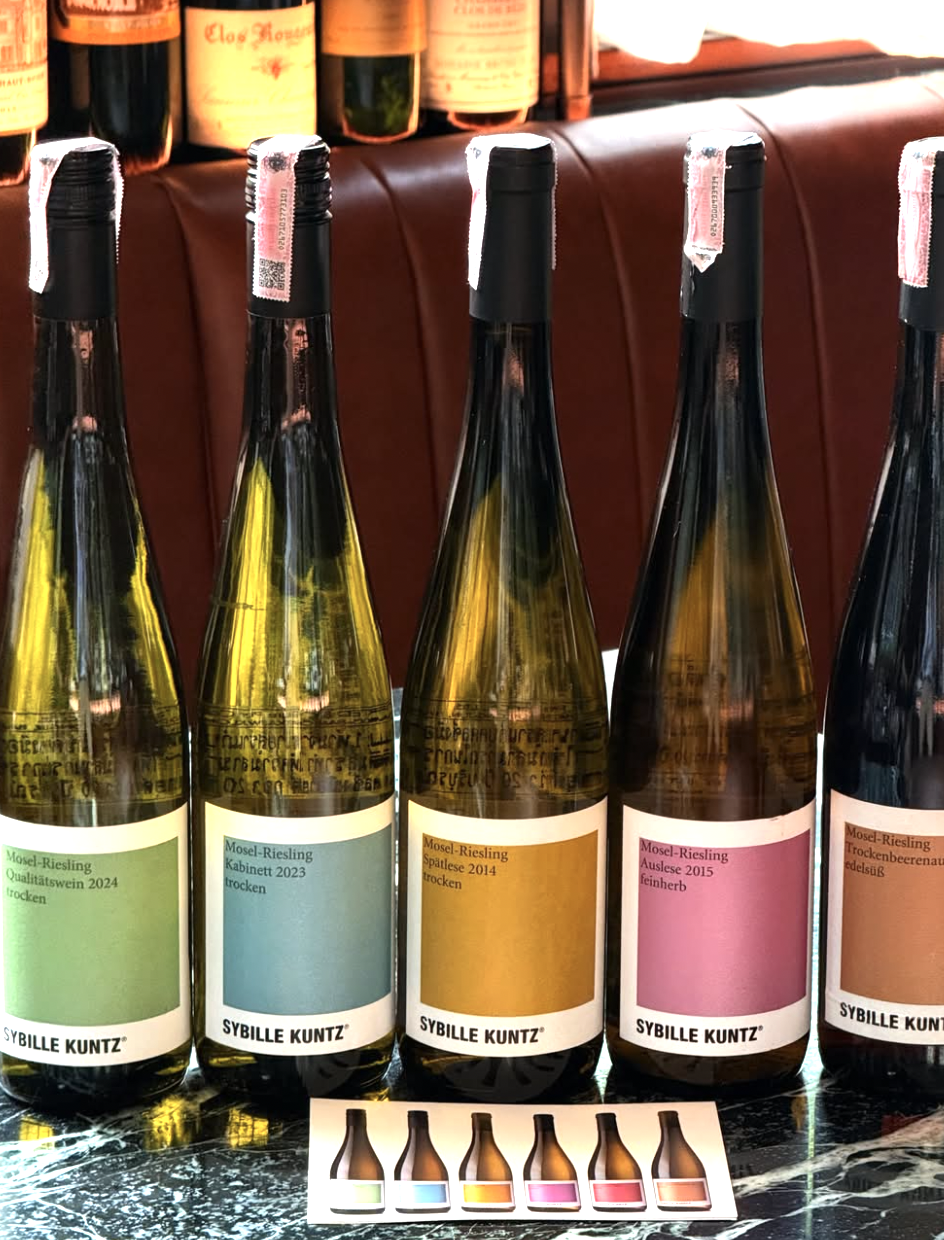 Image 2 of 5
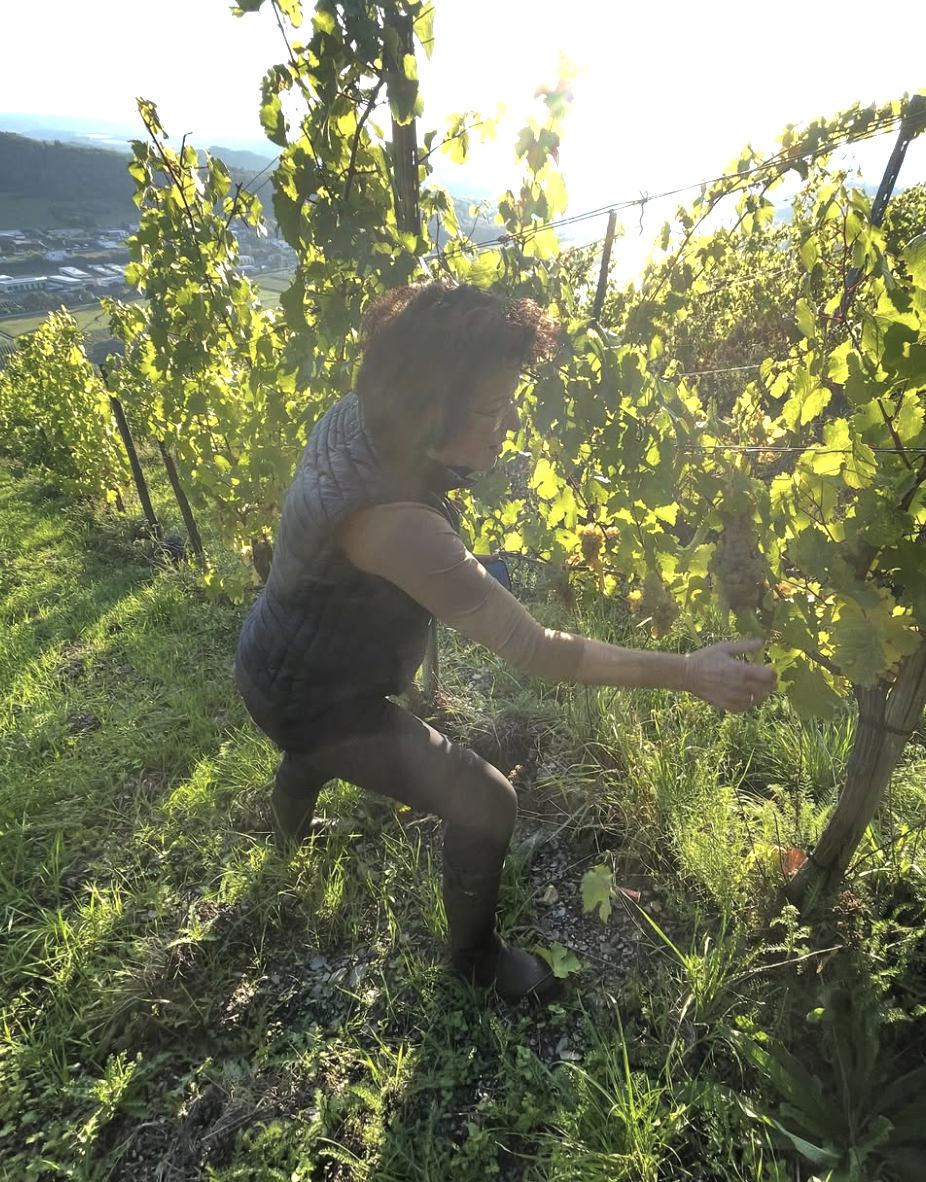 Image 3 of 5
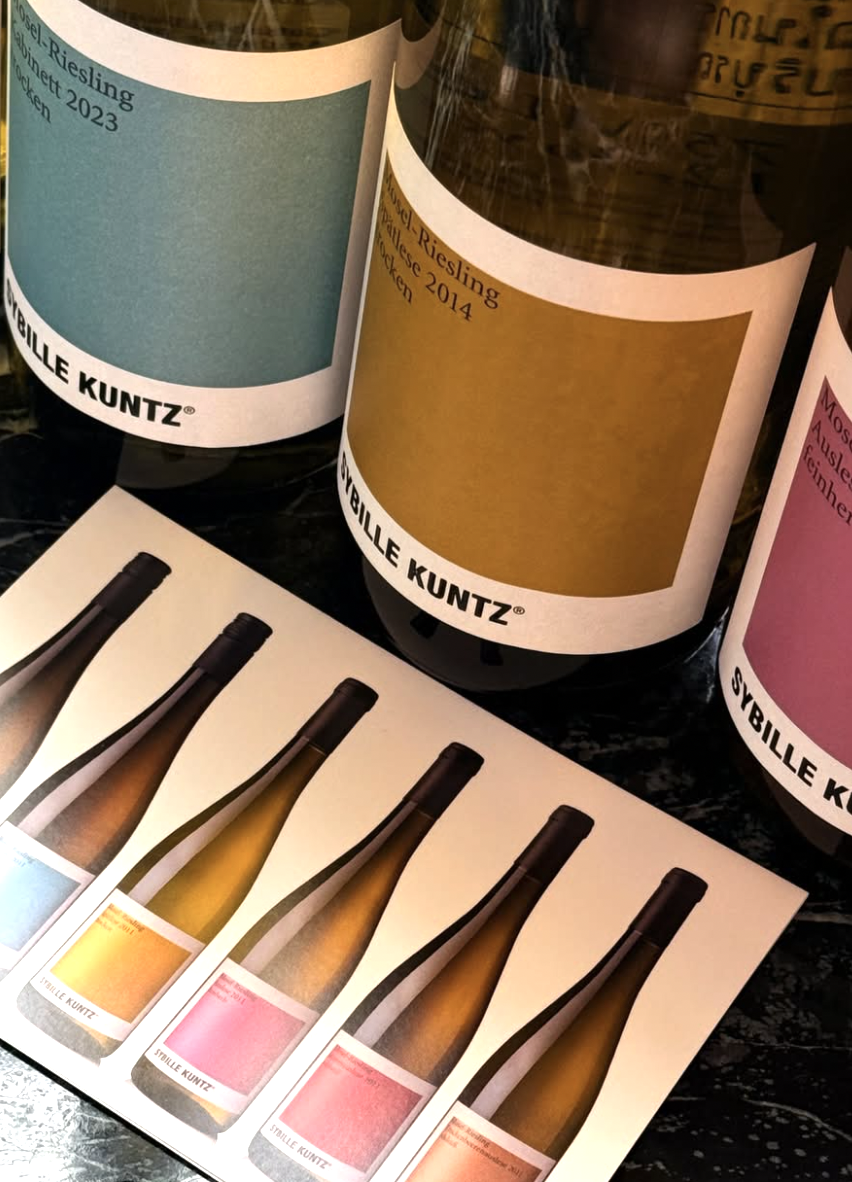 Image 4 of 5
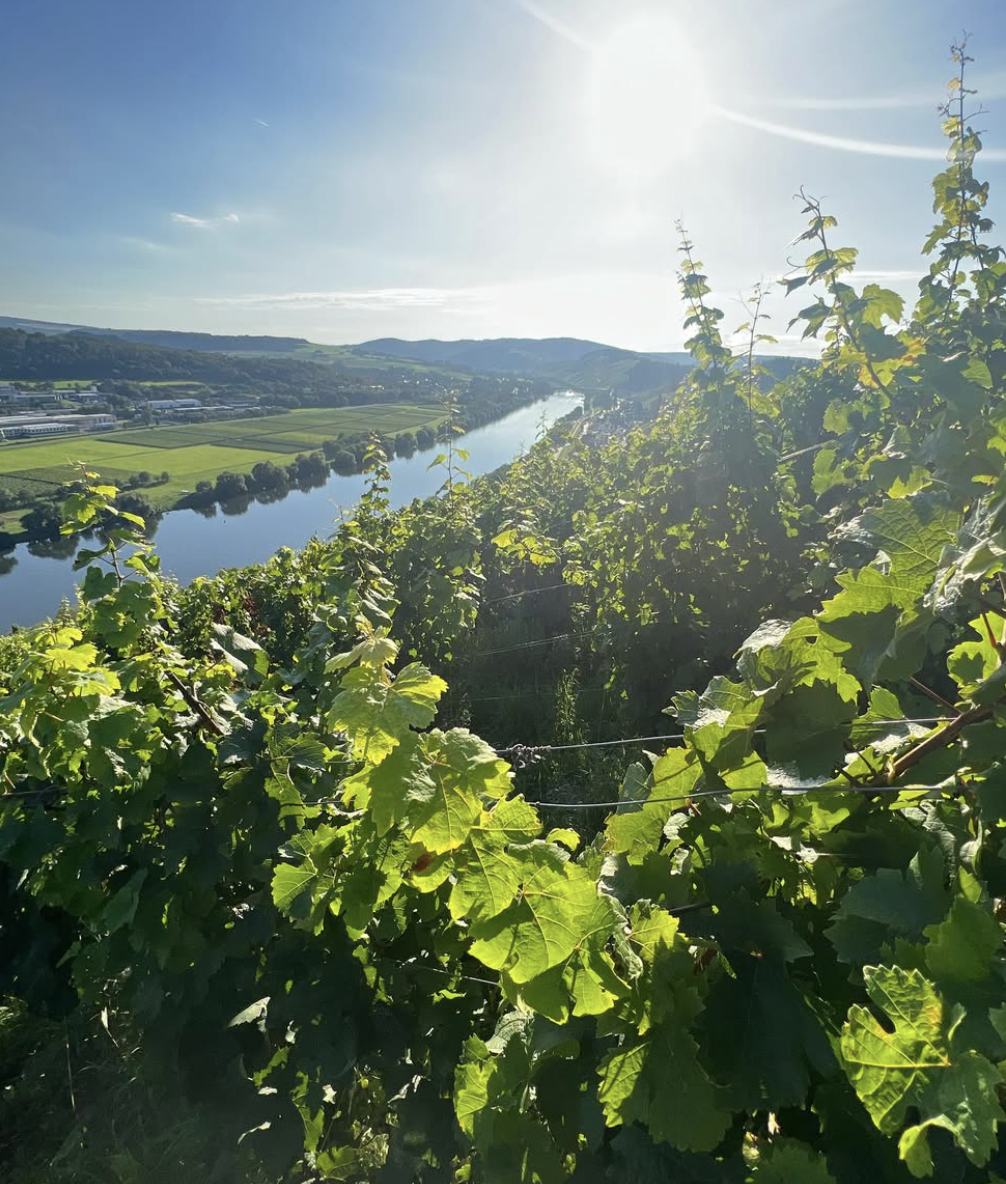 Image 5 of 5
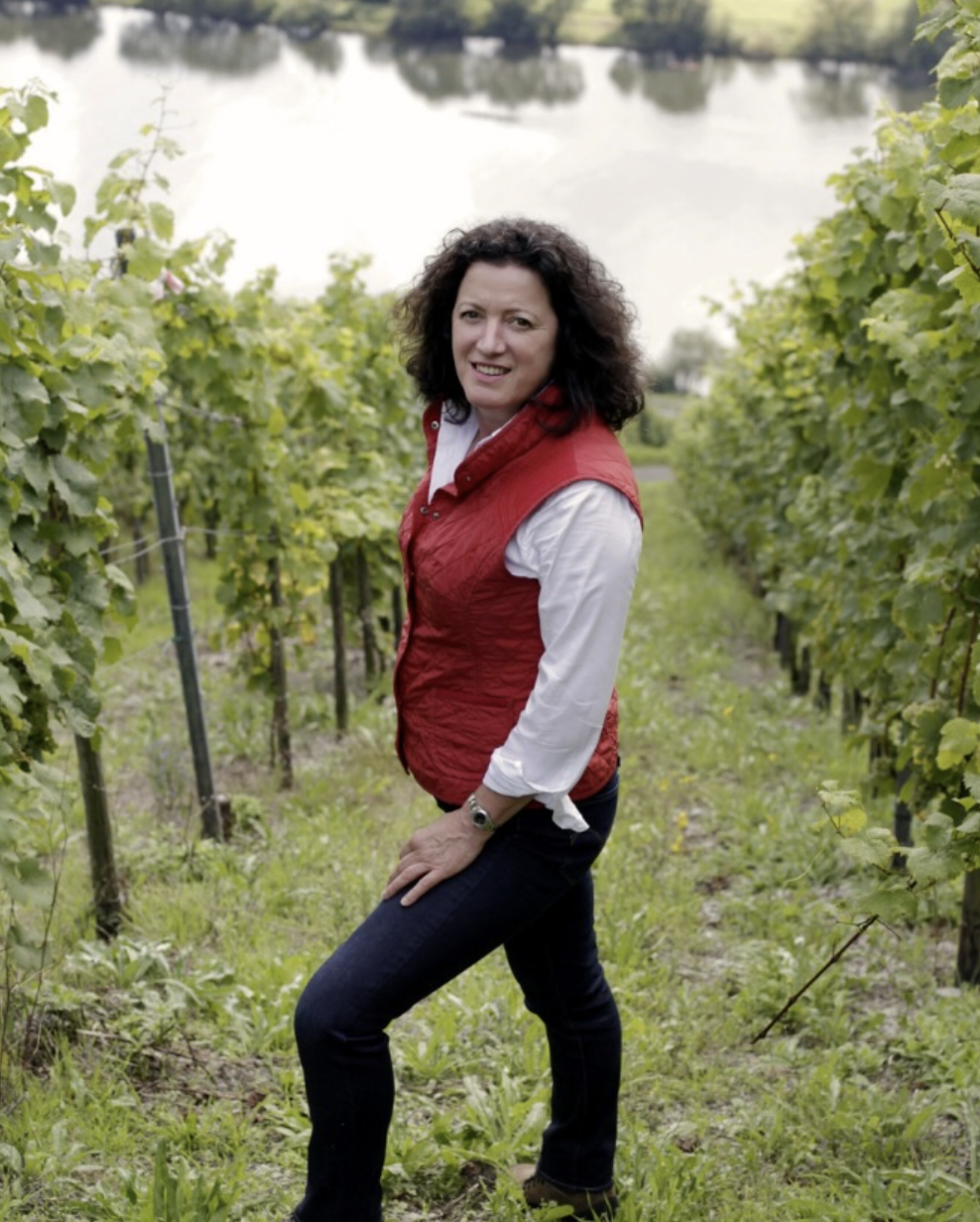
Sybille Kuntz — Lieser, Mosel, and a one-woman, one-grape mission that's quietly become one of Germany's most respected biodynamic stories. Her family's been in Lieser for generations, always around the wine trade one way or another, but it was Sybille herself who took the estate in hand, converting it organic back in the early 2000s and going full Demeter biodynamic by 2016. Since day one, the estate has made nothing but Riesling. One grape, total focus, no distractions.
Twenty hectares, vines averaging 45 to 100 years old, spread across three sites — Lieser Schlossberg, Bernkastel-Kues Wehlener, and the real jewel, Niederberg-Helden, a steep slope that was already classified Grand Cru back in 1804 under Napoleonic rule. Yields kept deliberately low, 50 to 60 hl/ha, fruit picked into small crates so nothing gets bruised on the way to the cellar.
What really gets me is the range structure — Sybille's broken her wines into "classic" and fully "natural" biodynamic lines, the natural tier going full orange, spontaneous skin-fermented Riesling aged in old 1000L Fuder barrels, unfiltered, zero sulfur. There's even a pet nat in there, naturally fizzing, bottle-fermented, nothing added. This is Mosel Riesling stripped right back to how it would've been made thousands of years ago, reinterpreted through genuinely serious, modern biodynamic farming.
Husband Markus runs a sister estate in Baden doing biodynamic Spätburgunder, and between them they even distil brandy from their own wine yeasts. A proper family operation built on total conviction, one grape at a time.
Sybille Kuntz — Lieser, Mosel, and a one-woman, one-grape mission that's quietly become one of Germany's most respected biodynamic stories. Her family's been in Lieser for generations, always around the wine trade one way or another, but it was Sybille herself who took the estate in hand, converting it organic back in the early 2000s and going full Demeter biodynamic by 2016. Since day one, the estate has made nothing but Riesling. One grape, total focus, no distractions.
Twenty hectares, vines averaging 45 to 100 years old, spread across three sites — Lieser Schlossberg, Bernkastel-Kues Wehlener, and the real jewel, Niederberg-Helden, a steep slope that was already classified Grand Cru back in 1804 under Napoleonic rule. Yields kept deliberately low, 50 to 60 hl/ha, fruit picked into small crates so nothing gets bruised on the way to the cellar.
What really gets me is the range structure — Sybille's broken her wines into "classic" and fully "natural" biodynamic lines, the natural tier going full orange, spontaneous skin-fermented Riesling aged in old 1000L Fuder barrels, unfiltered, zero sulfur. There's even a pet nat in there, naturally fizzing, bottle-fermented, nothing added. This is Mosel Riesling stripped right back to how it would've been made thousands of years ago, reinterpreted through genuinely serious, modern biodynamic farming.
Husband Markus runs a sister estate in Baden doing biodynamic Spätburgunder, and between them they even distil brandy from their own wine yeasts. A proper family operation built on total conviction, one grape at a time.