Brasserie Levain
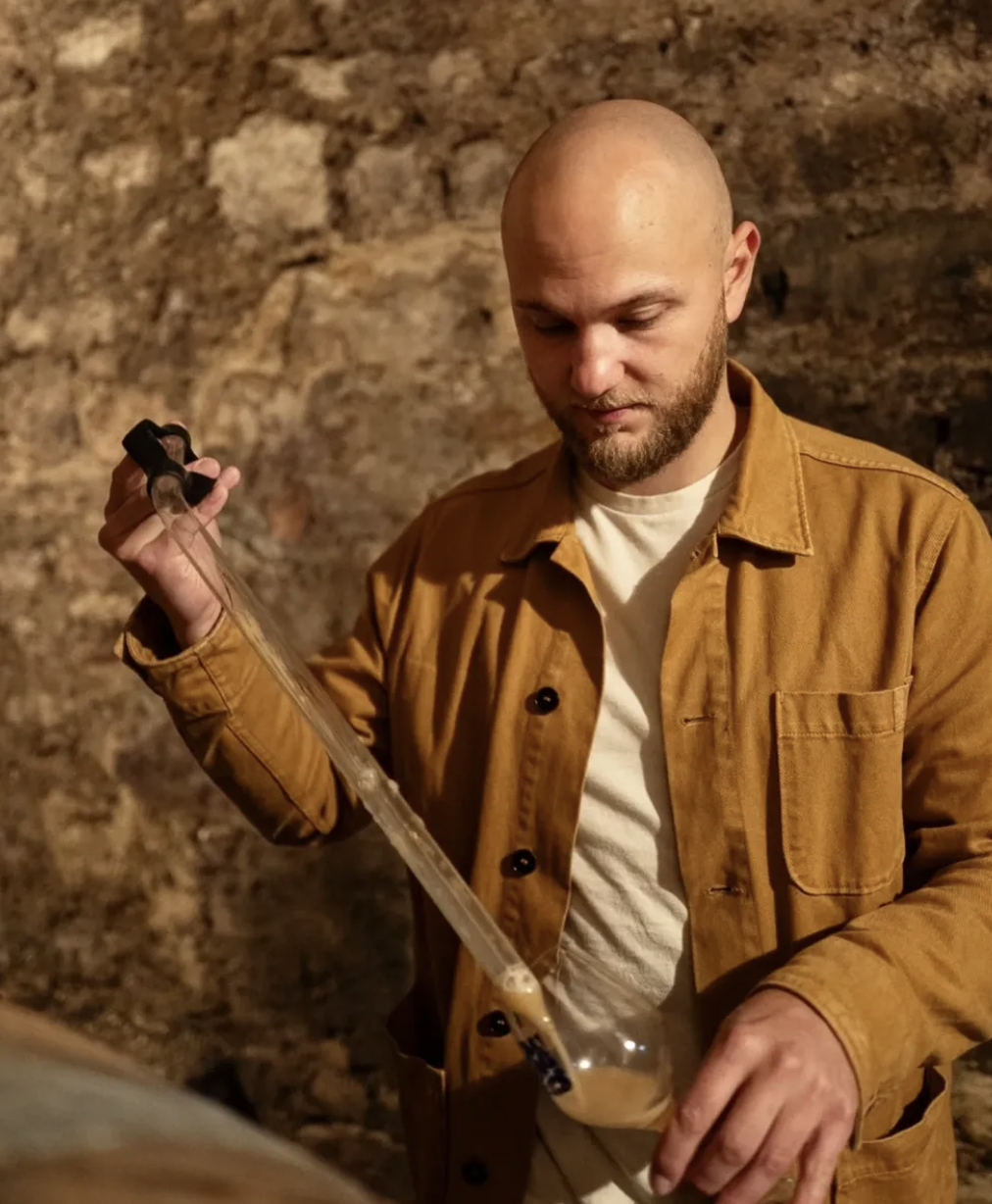
Brasserie Levain is a small, artisanal brewery in the centre of Besançon, in France's Bourgogne-Franche-Comté region, founded by Aymeric Tissot. After training as an oenologist and completing an apprenticeship at the legendary Cantillon brewery in Brussels, Tissot set out to bring that same wine-world rigor and spontaneous-fermentation tradition into beer, building a brewery devoted entirely to indigenous, wild fermentation rather than cultivated brewing yeast.
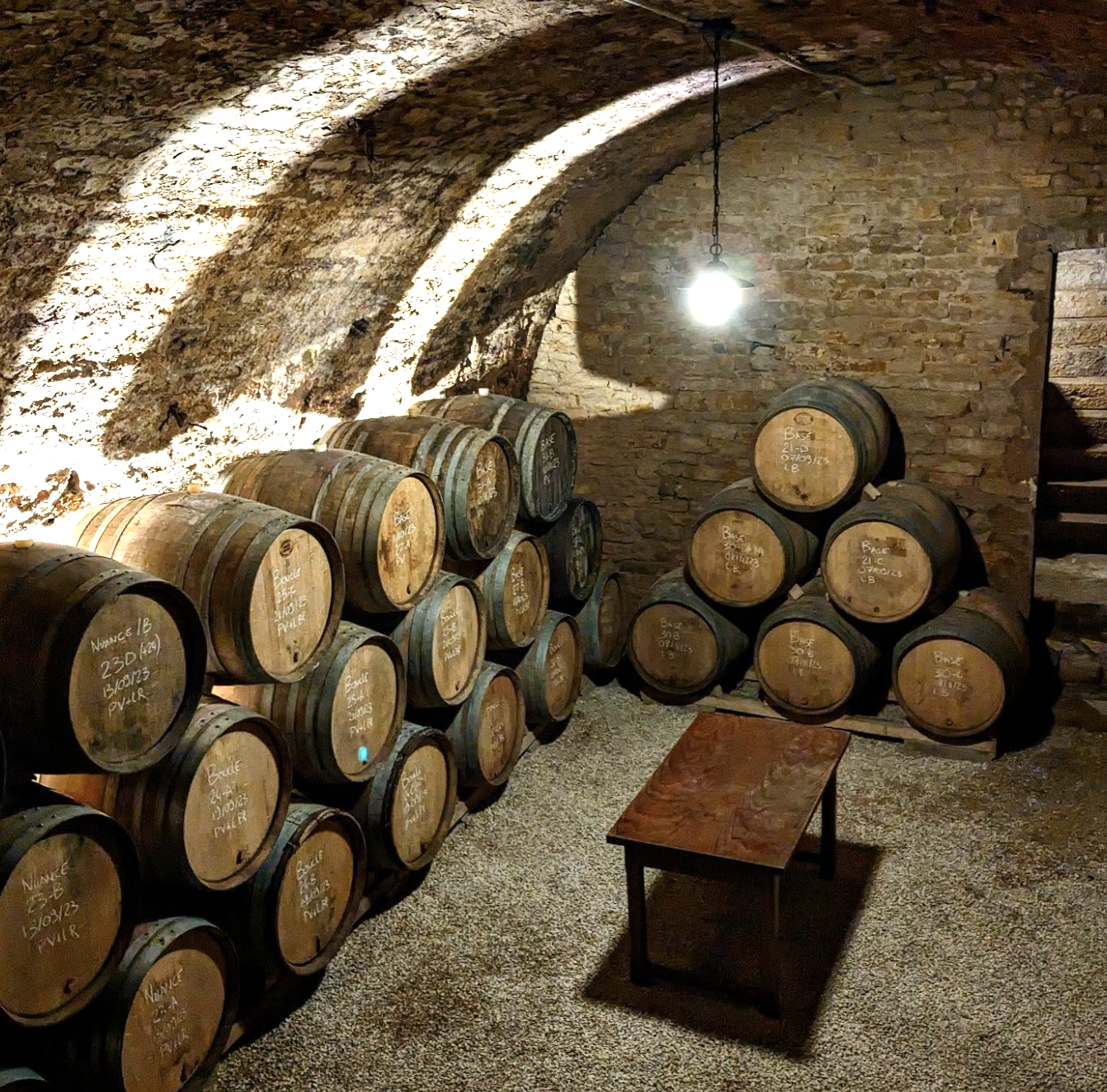
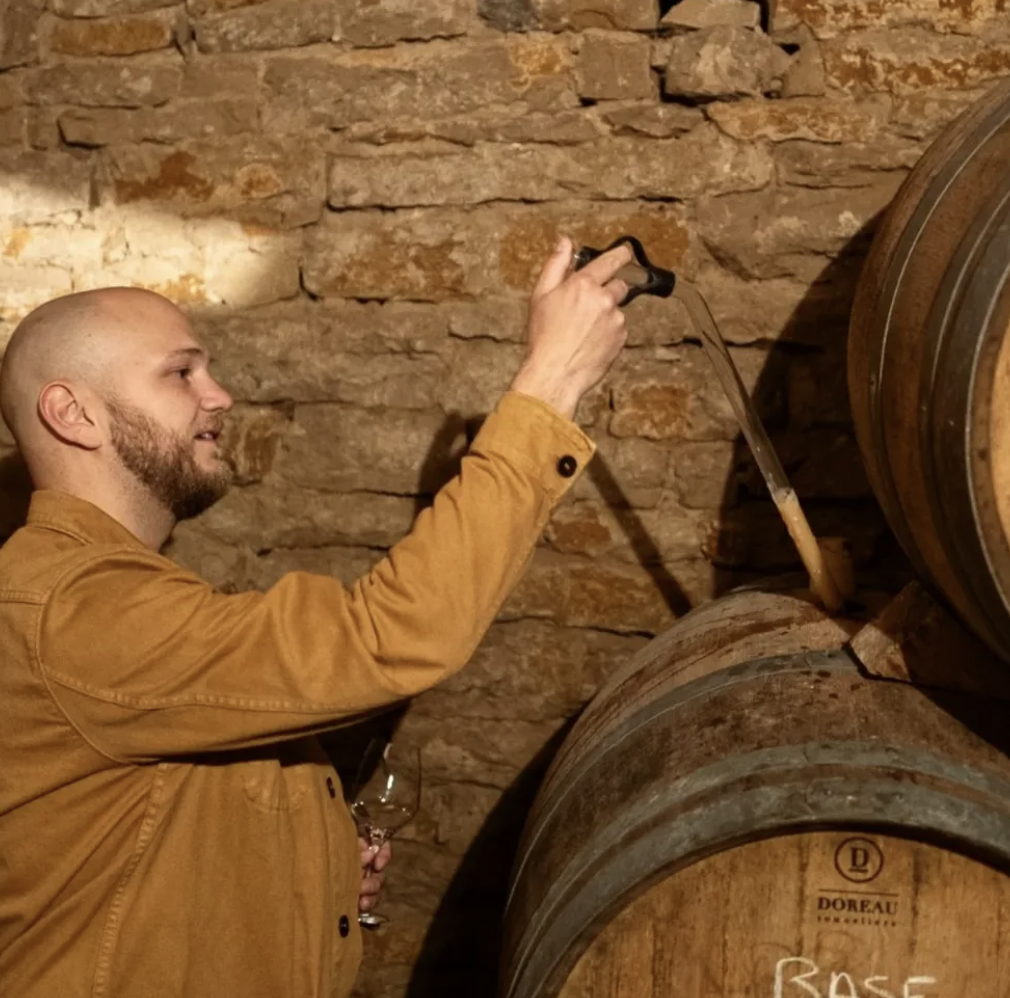
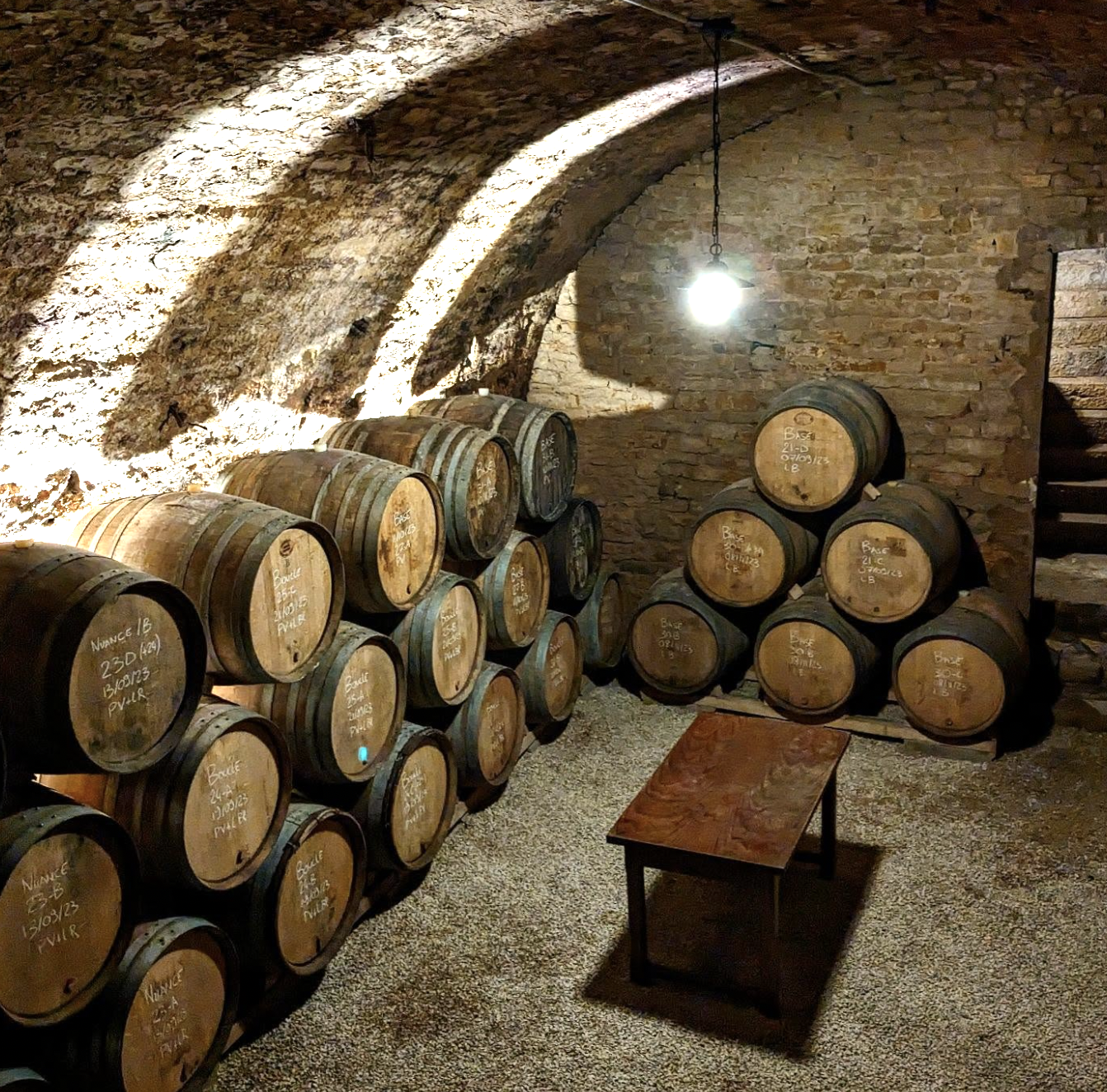
The project's defining feature is its deep, literal connection to wine: Levain ages its beers in exceptional barrels sourced from Domaine Bénédicte and Stéphane Tissot in the Jura, using the estate's lees, pomace, and marc for aging and maceration. Beers spend six to eight months in oak, often resting on Chardonnay lees, before some are dry-hopped or macerated further with fresh, local ingredients—Sichuan peppercorn harvested in the Jura, wild cherries, meadowsweet and lemon balm, sacred basil, and Poulsard pomace straight from the Tissot estate. Certified organic across the range, the beers include spontaneously fermented porters aged eight months in the brewery's own cellar, alongside gueuze-style blends finished on red wine lees.
The result sits somewhere between brewing and winemaking—beers built with a vigneron's patience and a brewer's curiosity, shaped as much by barrel and terroir as by malt and hop. True to that hybrid identity, the brewery's own bar in central Besançon pours Levain's beers alongside a serious list of natural wines from the Jura, Alsace, Loire, and southwest France, alongside local snacks and a "Jura grilled cheese"—a fitting expression of a project that treats beer and wine as two branches of the same spontaneous-fermentation tree.
Biodyna
Natural
Socials
https://www.instagram.com/brasserie.levain/
Beers
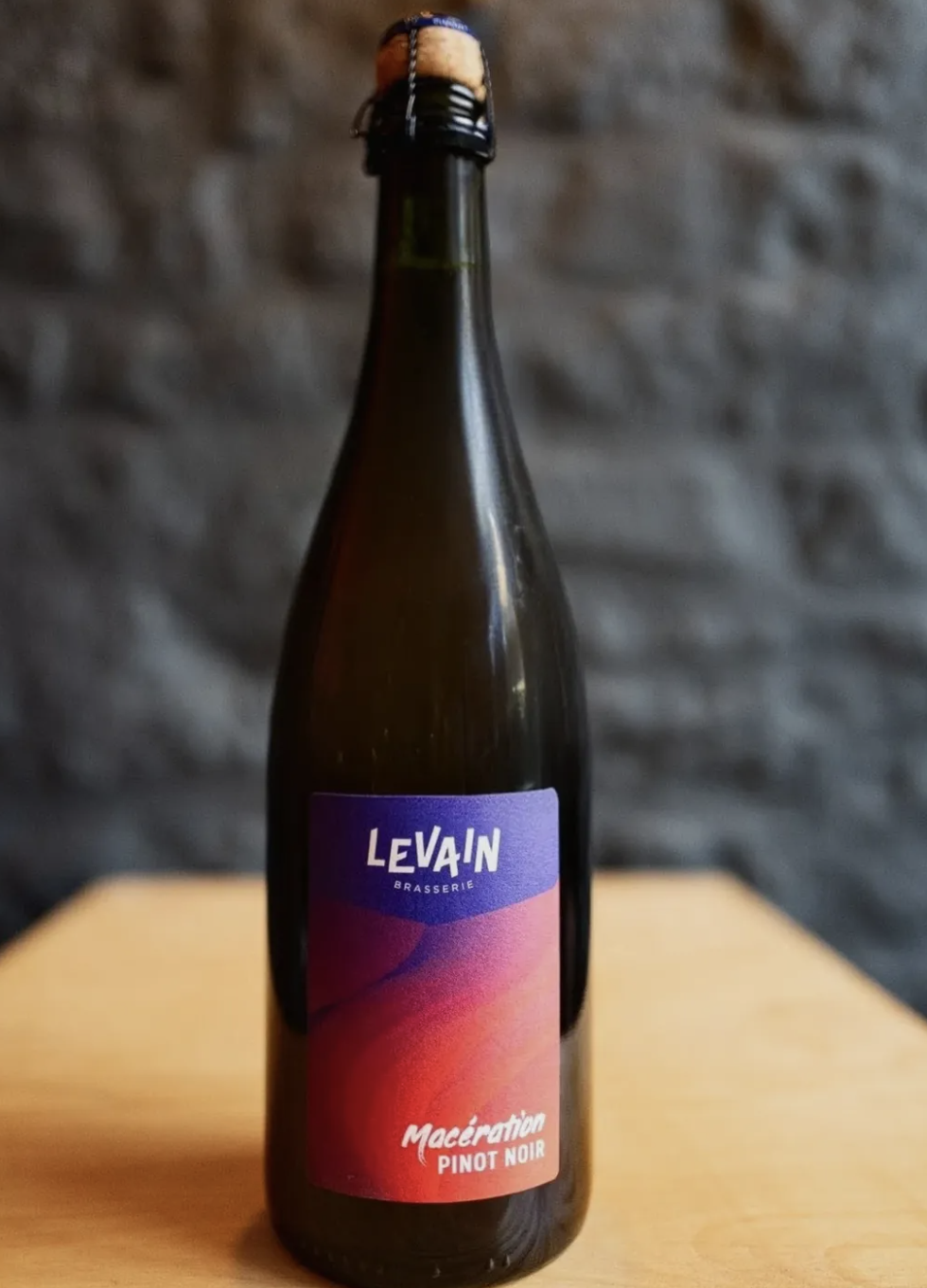
Brasserie Levain's beers read like a direct extension of natural winemaking, each one shaped by spontaneous fermentation and months spent resting on wine lees, pomace, or fresh macerated botanicals rather than conventional hopping alone. Their base beer, aged six to eight months in oak barrel on Chardonnay lees, functions as the foundation for much of the range—a beer built for slow development, which then gets diverted into a series of macerations: one dry-hopped with Citra and aromatic plants like citrus thyme, another infused with fresh Sichuan peppercorn harvested in the Jura, and others macerated with Poulsard pomace straight from the Tissot family estate, fresh local cherries, or a blend of meadowsweet and fresh lemon balm.
Their Porter is spontaneously fermented and aged eight months in barrel in the brewery's own Besançon cellar—certified organic, dark and slow-built, carrying the same patient, wine-adjacent approach as the rest of the range. A Gueuze-style beer, described as "une gueuze de Franche-Comté," pays clear homage to Belgian lambic tradition while staying rooted in local barrel stock, alongside an amber version finished on red wine lees for extra depth and color. A cold-hopped blonde built on indigenous fermentation offers a lighter, more immediate expression, while other bottlings lean toasted and tart, or soft and aromatically expressive, showing the range's stylistic spread beyond the barrel-aged core.
What threads through everything is the wine connection—several cuvées are explicitly finished or "elevée" in barrels once used by Stéphane Tissot himself, blurring the line between craft beer and natural wine almost entirely. These aren't quick-turnaround session beers; they're patient, barrel-shaped, terroir-driven creations that borrow as much from a vigneron's toolkit as a brewer's, resulting in beers that taste distinctly of place, time, and whatever fruit or wine-adjacent material happened to be resting alongside them in the cellar.