Projekt Wildtyp
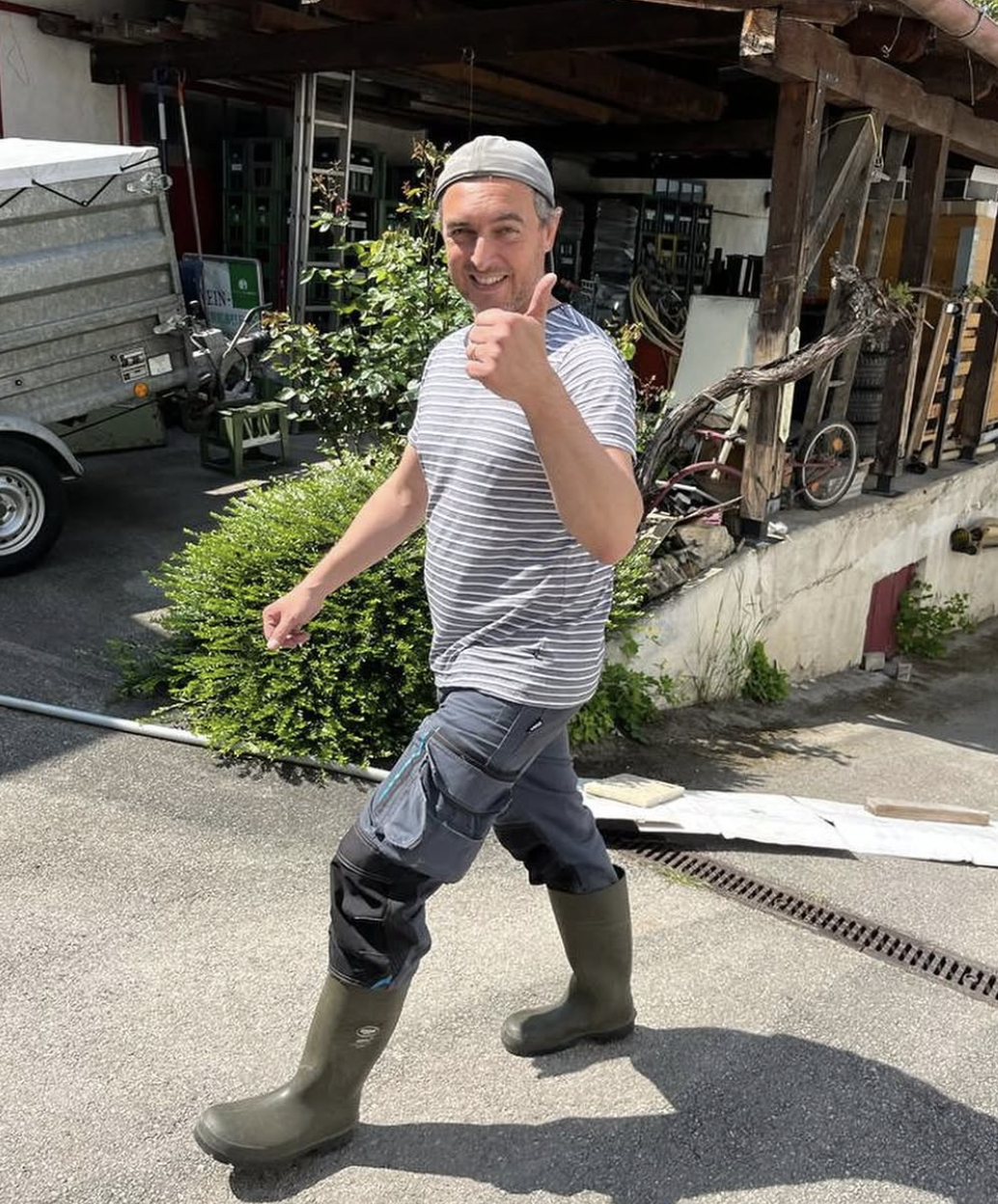
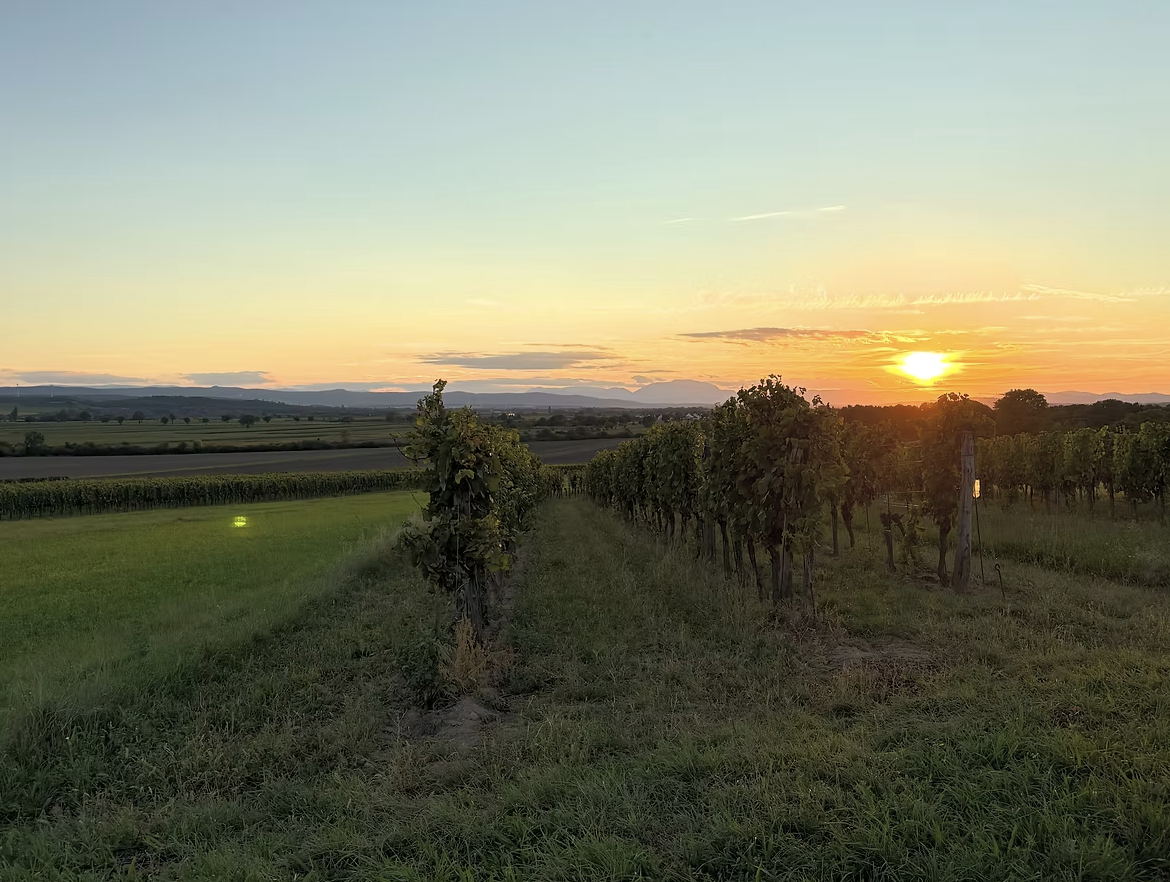
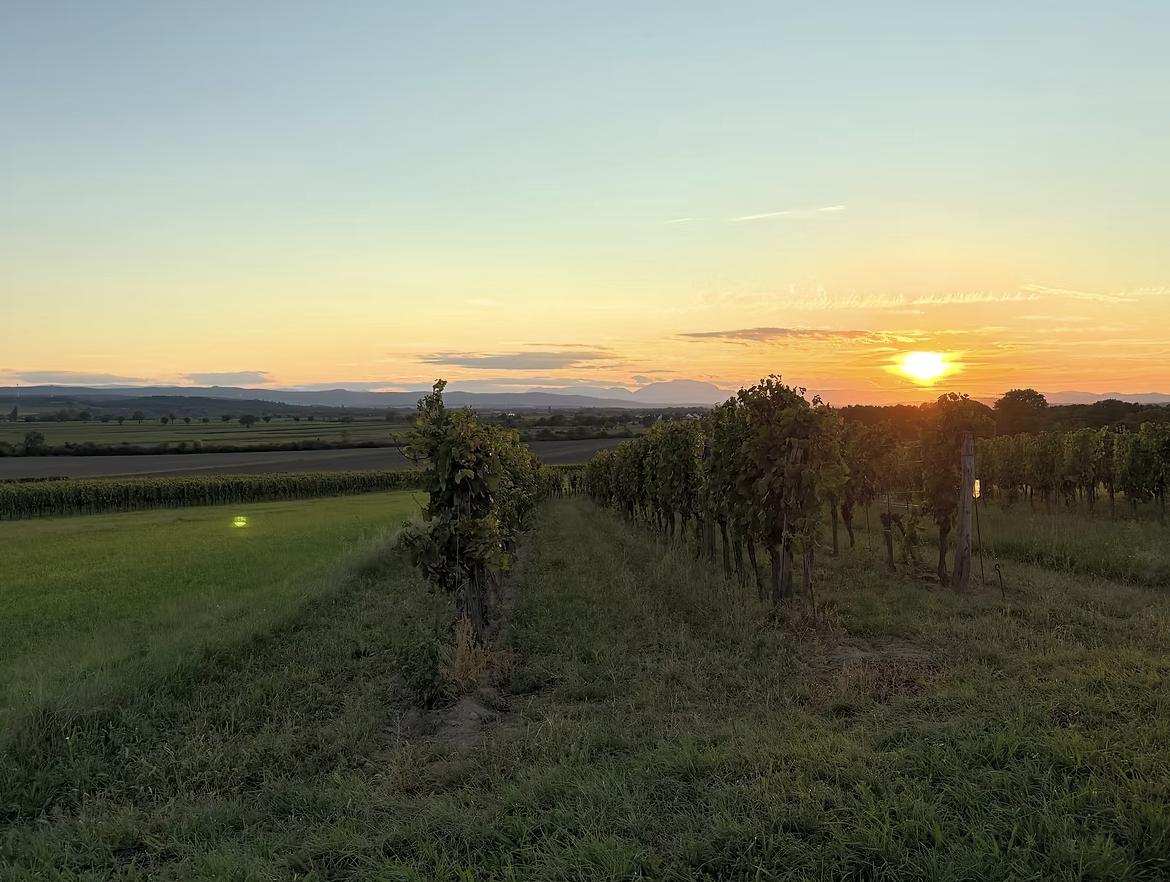
Projekt Wildtyp is a small, fiercely natural wine project based in St. Margarethen, in Austria's Burgenland region, founded in 2021 by Boris Kovacic. Before wine, Boris spent 18 years as a scientist in stem cell and cancer research—a background that gave the project its name: "wildtype" is a genetics term for the unmodified, natural form of an organism as it exists in the wild, exactly the ideal he set out to chase once he left the lab behind for the vineyard.
That scientific lens shapes his entire philosophy. Boris believes the combination of microorganisms, flora, fauna, and vine is unique to every single vineyard site, so making standardized, interchangeable wine misses the point entirely. To stay true to that "wildtype" ideal, he refuses to use any of the additives permitted under conventional or even most natural winemaking—no commercial yeasts, no enzymes, no fining or filtration. Sulfur is added only rarely, in amounts far below permitted limits, and many bottlings are made with zero additions of any kind.
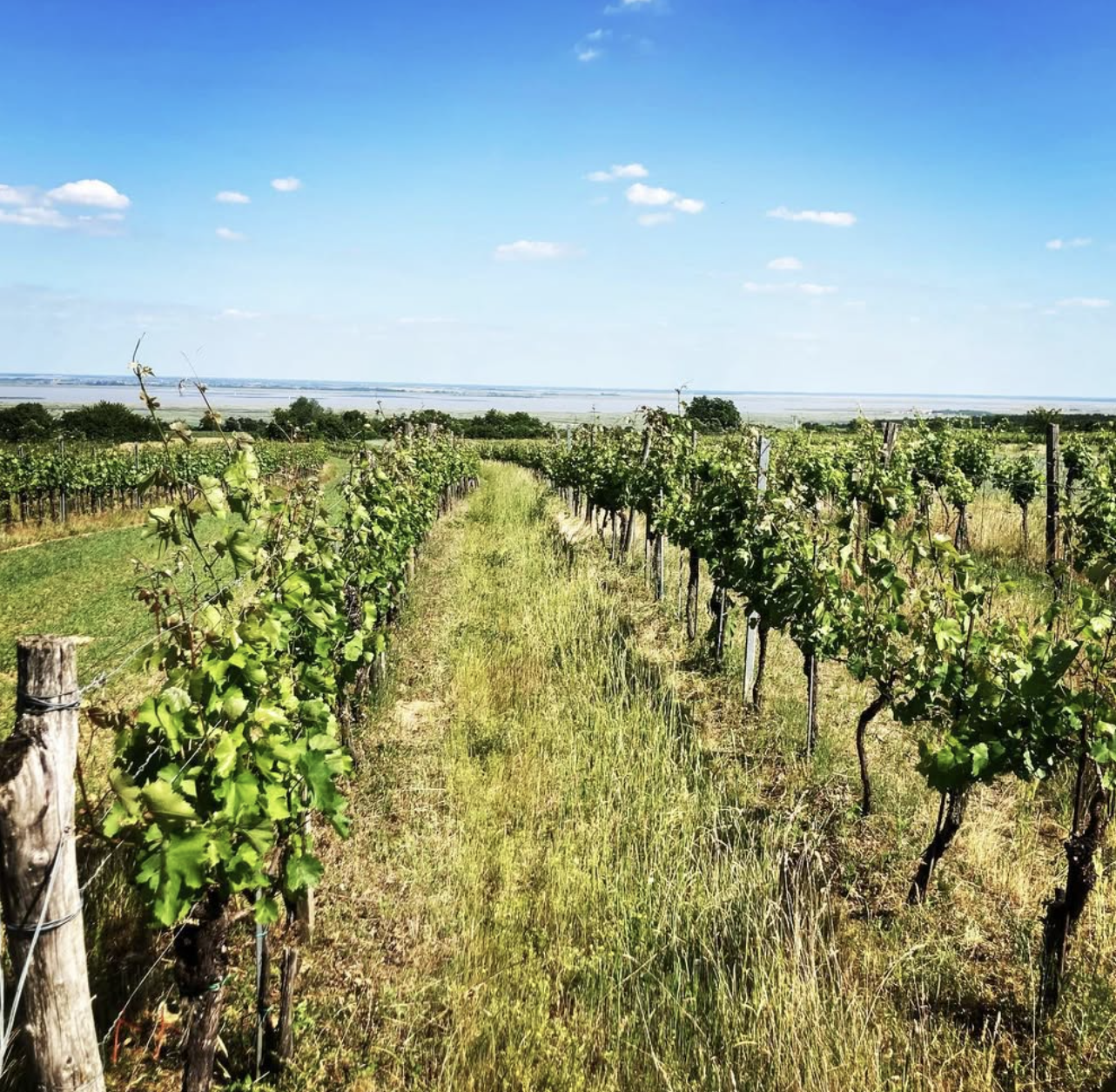
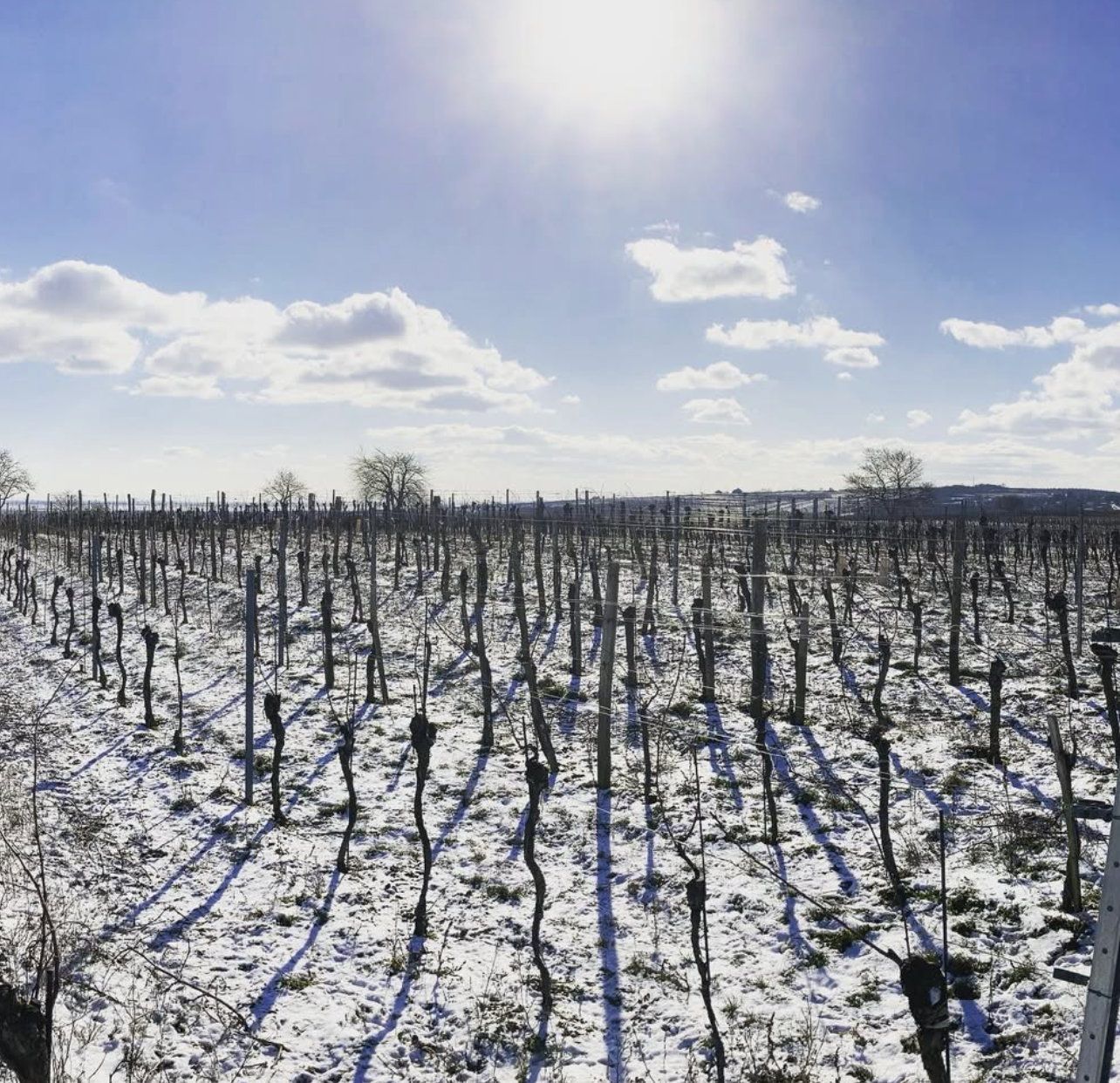
Working with Burgenland's regional varieties—chiefly Grüner Veltliner and Blaufränkisch, alongside Müller-Thurgau and others—Boris farms and vinifies with minimal intervention across limestone-influenced sites. The range leans playful in presentation—brightly colored labels and cheeky, regionally rooted names—while staying serious in substance: skin-contact whites, orange pét-nats, and structured reds all built on wild fermentation and a refusal to smooth over a vintage's natural character. It's a young project, still building its reputation, but one with a clear and unusually well-articulated reason for being: Boris isn't just making natural wine because it's fashionable, he's making it because two decades studying the unmodified building blocks of life convinced him that's where the most honest, most interesting wine was always going to come from.
Biodyna
Biodynamic
Natural
Socials
https://www.instagram.com/projektwildtyp/
Wines
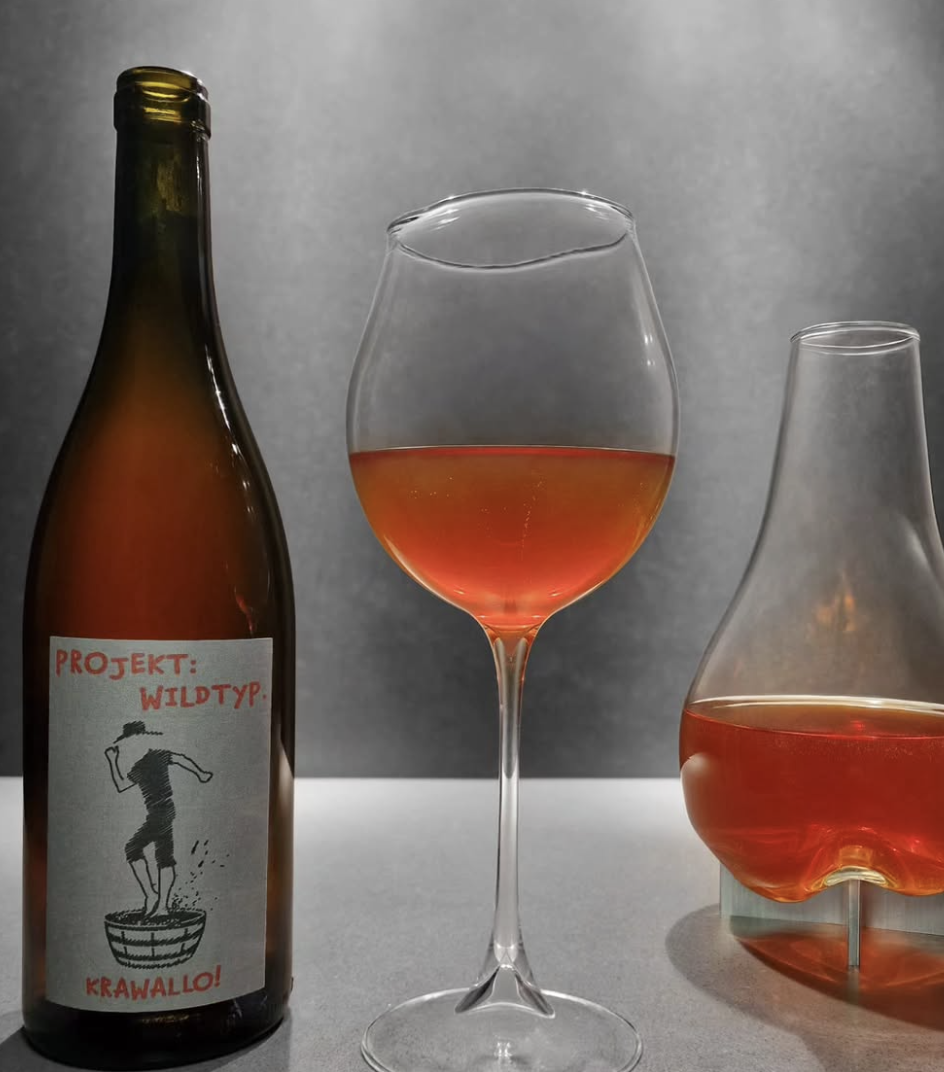
Projekt Wildtyp's range plays out as a series of small, sharply defined experiments in letting a site speak for itself, each wine named with the same playful, regional slang that runs through Boris's labels. Sprudla, an orange pét-nat made from skin-fermented Müller-Thurgau, spends thirteen days on skins before pressing, rests a month, then gets topped with fresh juice from the last grapes of harvest and disgorged—bright, floral, and grapey, with rich pear and peach fruit, a touch of spice, and a dry, tangy finish that shows real energy.
Drangalo takes Grüner Veltliner through a brief two days of skin contact, adding subtle texture and grip to a variety more often made clean and neutral—an early signal of Boris's instinct to nudge familiar grapes somewhere less expected. On the red side, Feschak and Gramuri both showcase Blaufränkisch grown on Burgenland's limestone soils, with Feschak in particular showing real richness and fine texture, faint oaky nuance in the background, sweet natural fruit, and a refined, weighty finish that belies the project's young age. Lumpazi, another Müller-Thurgau bottling, and Schwalina round out a range that stays tightly focused on regional varieties handled with radical restraint.
Across the board, the throughline is total non-intervention: no commercial yeast, no enzymes, no fining or filtration, and sulfur used only rarely and sparingly, with many wines landing at zero-zero. Because Boris treats every vineyard's ecosystem as genuinely unrepeatable, no two bottlings chase the same template—each one reads as a direct, unedited transcript of Burgenland's limestone, wild yeast, and a particular corner of vine. The result is a young but confidently idiosyncratic range: playful on the label, uncompromising in the glass.