La Via del Colle
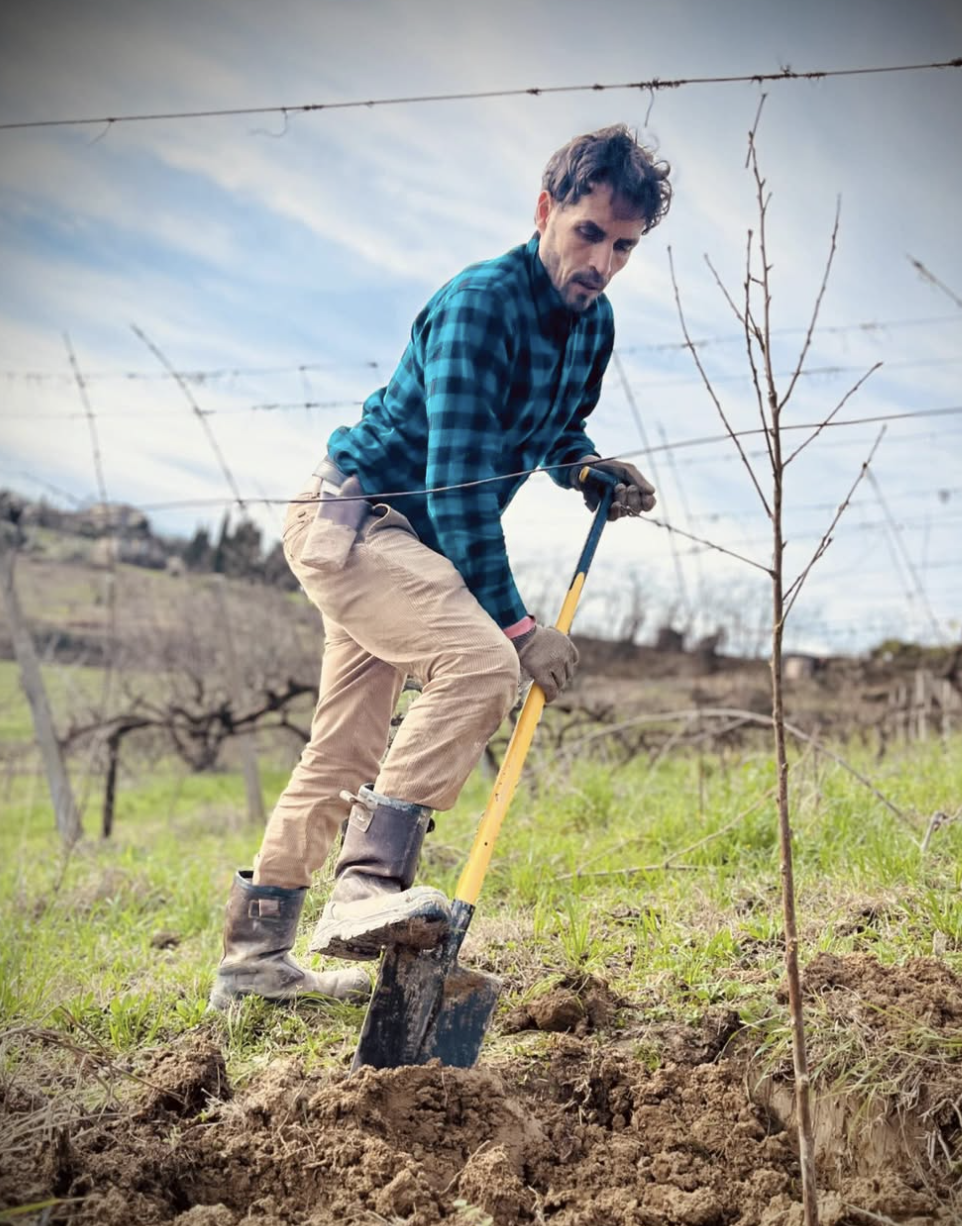
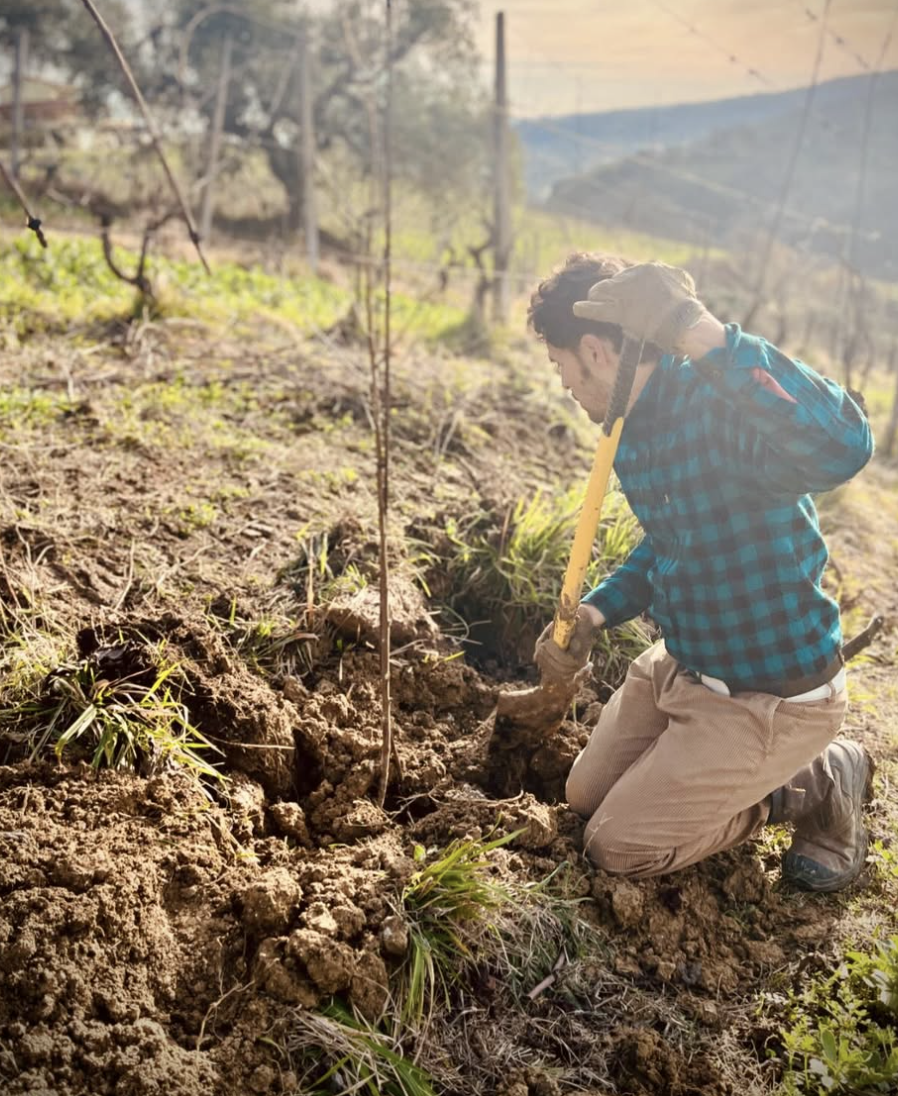
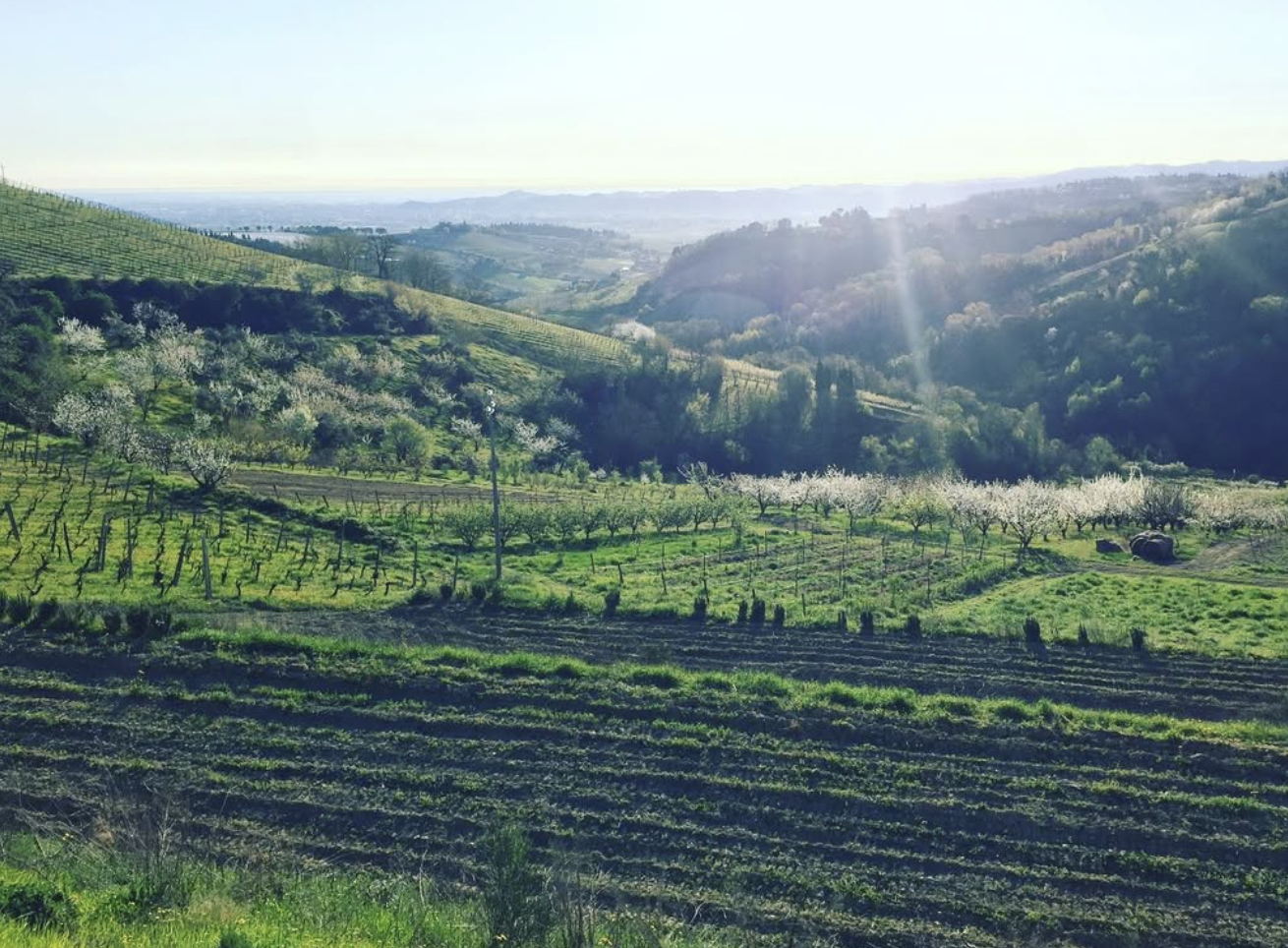
La Via del Colle is a family-run organic estate in Bertinoro, in Italy's Emilia-Romagna region, founded in 1982 and today run by twins Francesco and Chiara, who inherited the property from their parents. Francesco heads up the winemaking while Chiara shares the family's equal passion for honey—between them, the estate has grown into a genuinely diversified 30-hectare farm encompassing fruit orchards, olive groves, truffle woods, arable land, vegetable plots, and around 300 mostly permanent beehives, alongside a shop and tasting room built for visitors.
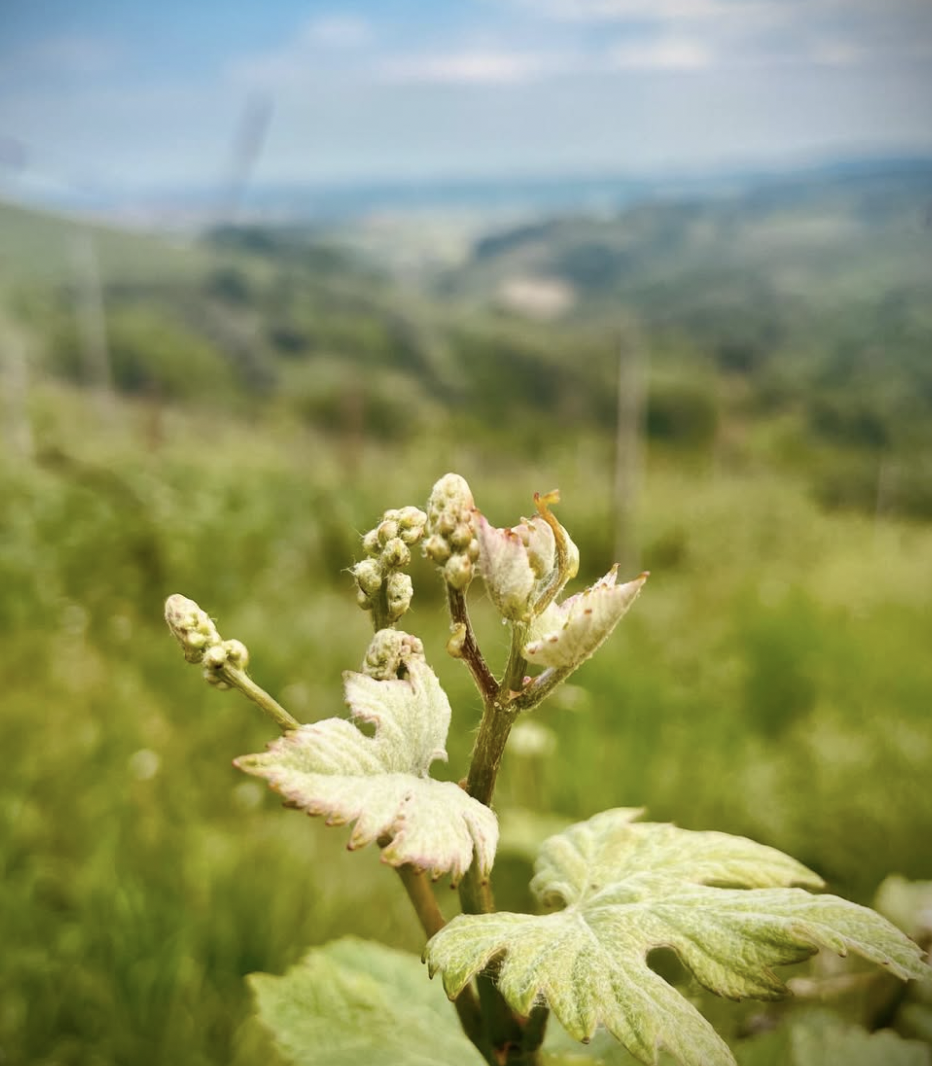
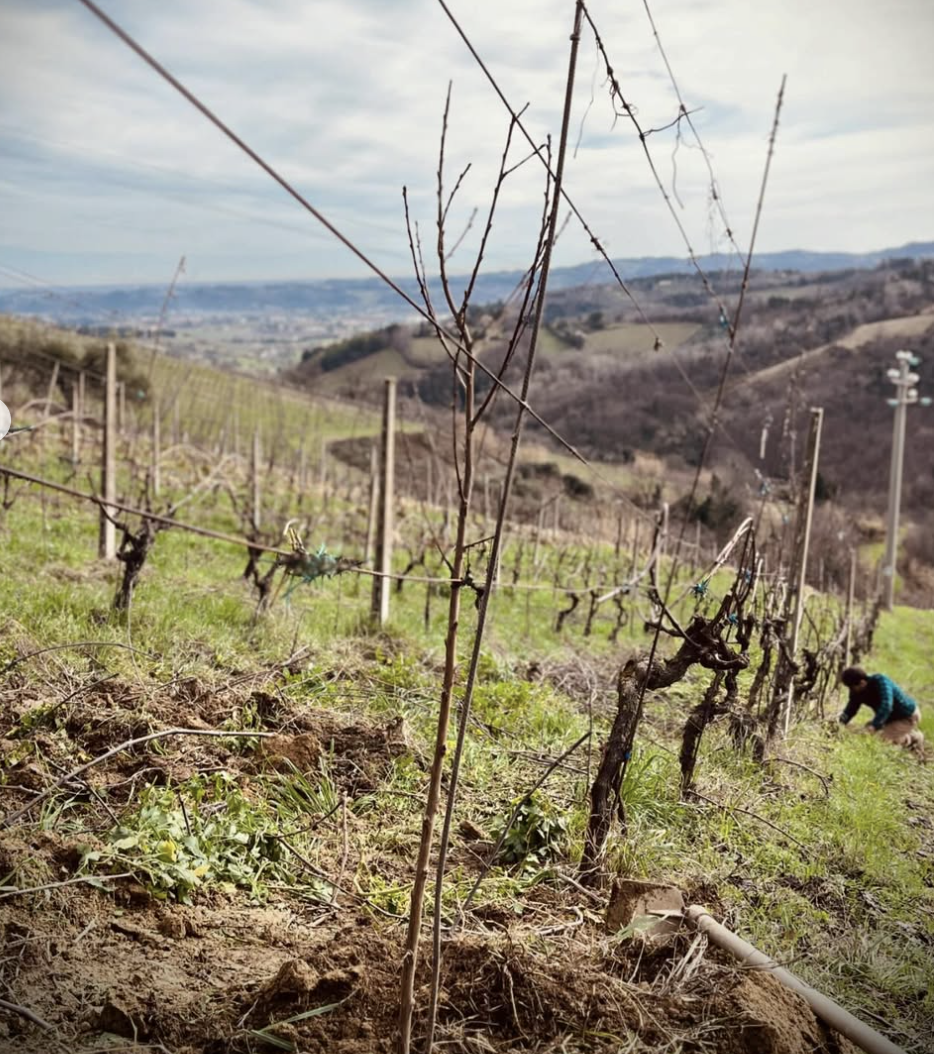
Of that broader property, five hectares of certified organic vineyard are dedicated to Francesco's wines, planted mainly to native Romagna varieties—Albana, Sangiovese, Trebbiano, Bombino Bianco (known locally as Pagadebit), and Terrano (Cagnina)—alongside small parcels of Cabernet Sauvignon, Syrah, Merlot, and Moscato. Fruit is hand-picked in the cool early morning hours, then vinified through spontaneous fermentation with no cultivated yeasts, no temperature control, and no filtration. No sulphites are added at any stage, whether at racking or before bottling.
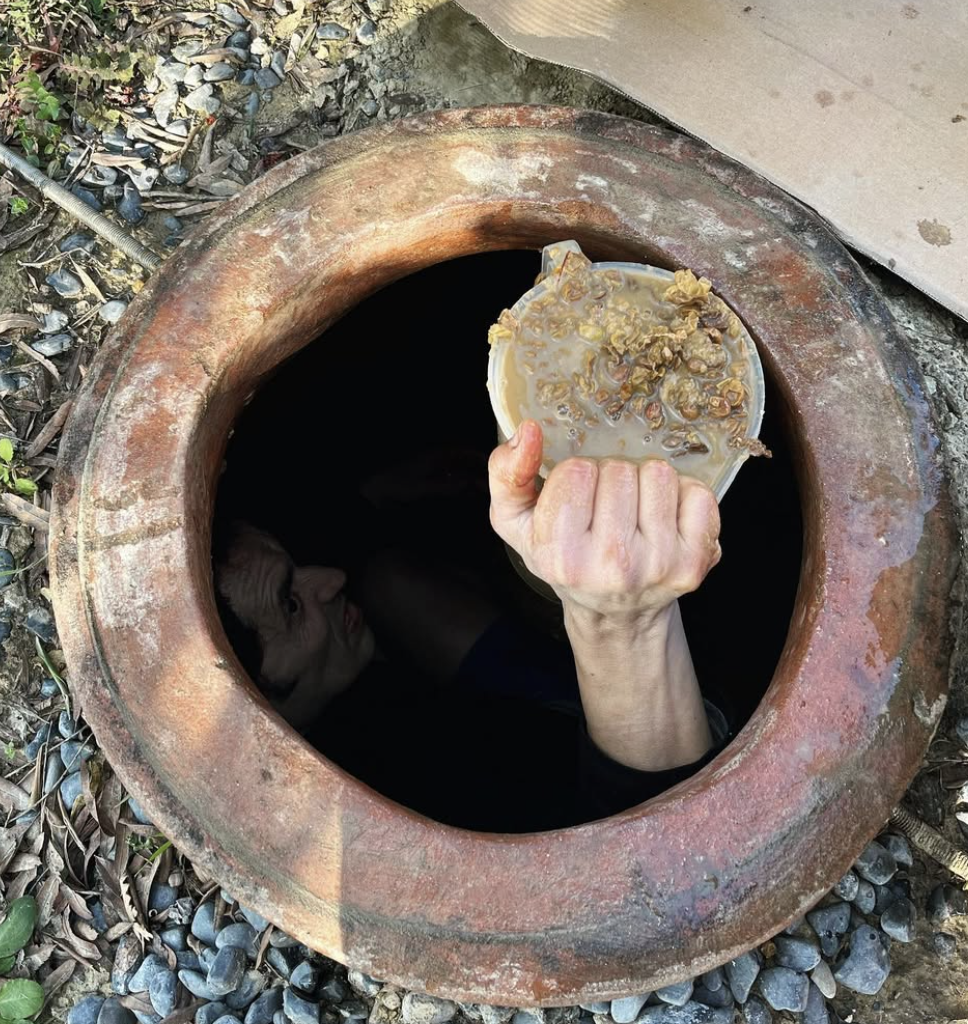
Much of the range ages in terracotta amphora, giving several of the whites—vinified as orange wines through extended skin contact—their distinctive texture and depth. True to a genuinely artisanal ethos, La Via del Colle bottles only in vintages where the fruit arrives perfectly healthy and ripe enough to support real structure and aging potential; in leaner years, wines simply don't get made. It's a estate built on patience and restraint—one family working a small, biodiverse patch of Romagna, letting native grapes, wild yeast, and time do virtually all of the talking.
Biodyna
Biodynamic
Natural
Socials
https://www.instagram.com/laviadelcolle.it/
Wines
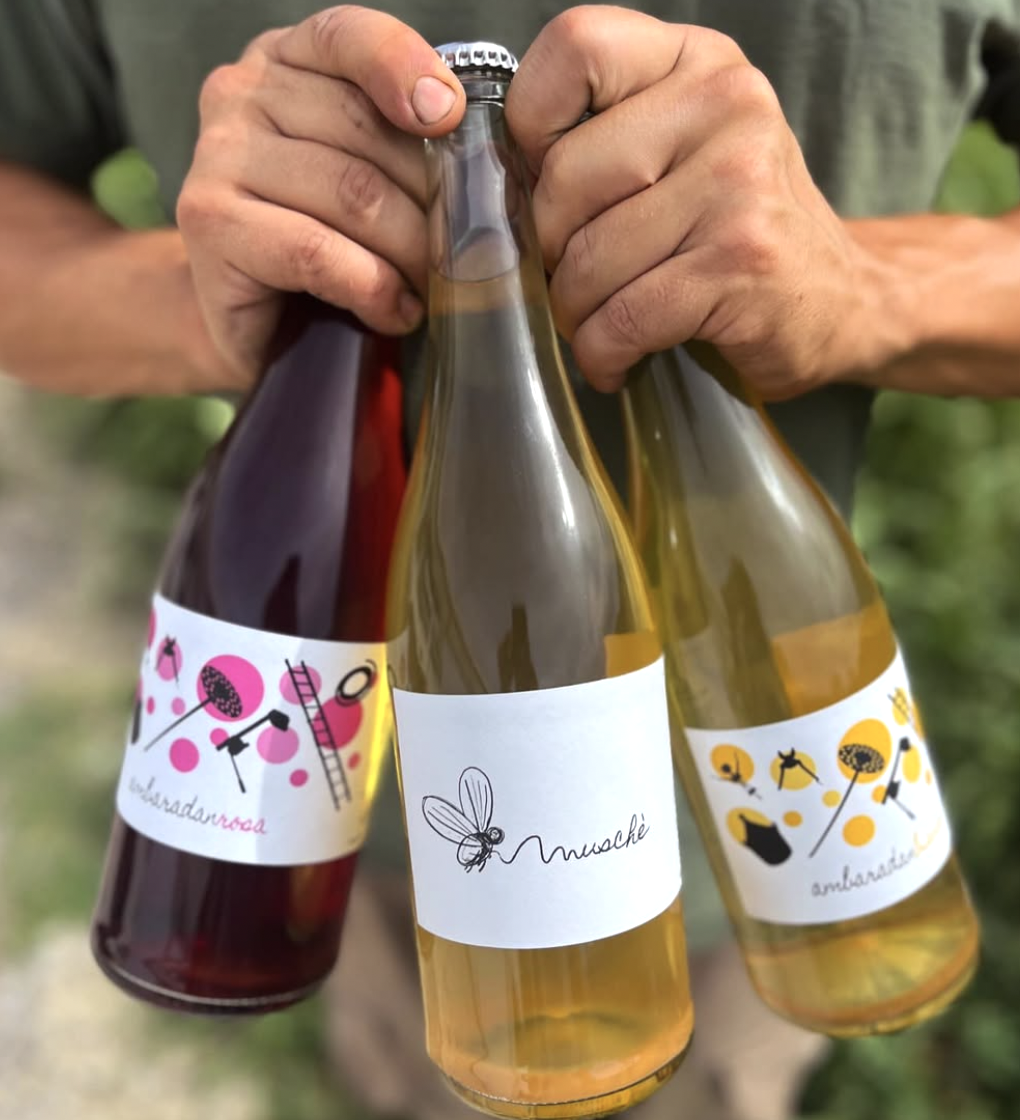
La Via del Colle's wines are built almost entirely around native Romagna varieties, fermented spontaneously and bottled without sulphites, filtration, or temperature control—letting each vintage's character come through unmasked. Lopi Orange blends Trebbiano, Pagadebit (Bombino Bianco), and Albana, made in two parts: half given two days of skin maceration, half fermented in steel for six months before blending, resulting in a lighter, more approachable style of orange wine with real texture but without heavy tannic grip. Ultra takes a more intense route—100% Albana macerated on skins for fifteen days in amphora, then aged a further six months in terracotta, producing a deeper, more structured orange wine shaped by extended contact and the porous, breathable character terracotta lends.
On the red side, Lopi Rosso blends organic Sangiovese and Syrah into a low-intervention red that stays true to the estate's hands-off philosophy—unfiltered, unmanipulated, and built for genuine drinkability rather than polish. Vedonero, another red bottling, continues that same native-leaning, minimal-intervention approach. Across the range, Terrano (Cagnina) and small plantings of Cabernet Sauvignon, Merlot, and Moscato round out the estate's less common offerings, giving Francesco material to work with beyond the core Sangiovese-Albana-Trebbiano backbone.
What unites every bottle is restraint bordering on discipline: wild ferments, no additives at any stage, and a firm rule that wines are only made in vintages generous enough to guarantee real structure and aging potential—meaning the range shifts from year to year rather than chasing consistency for its own sake. The result is a lineup that feels genuinely tied to Bertinoro's soil and seasons, with amphora and terracotta doing much of the shaping work that oak or steel might otherwise do elsewhere.