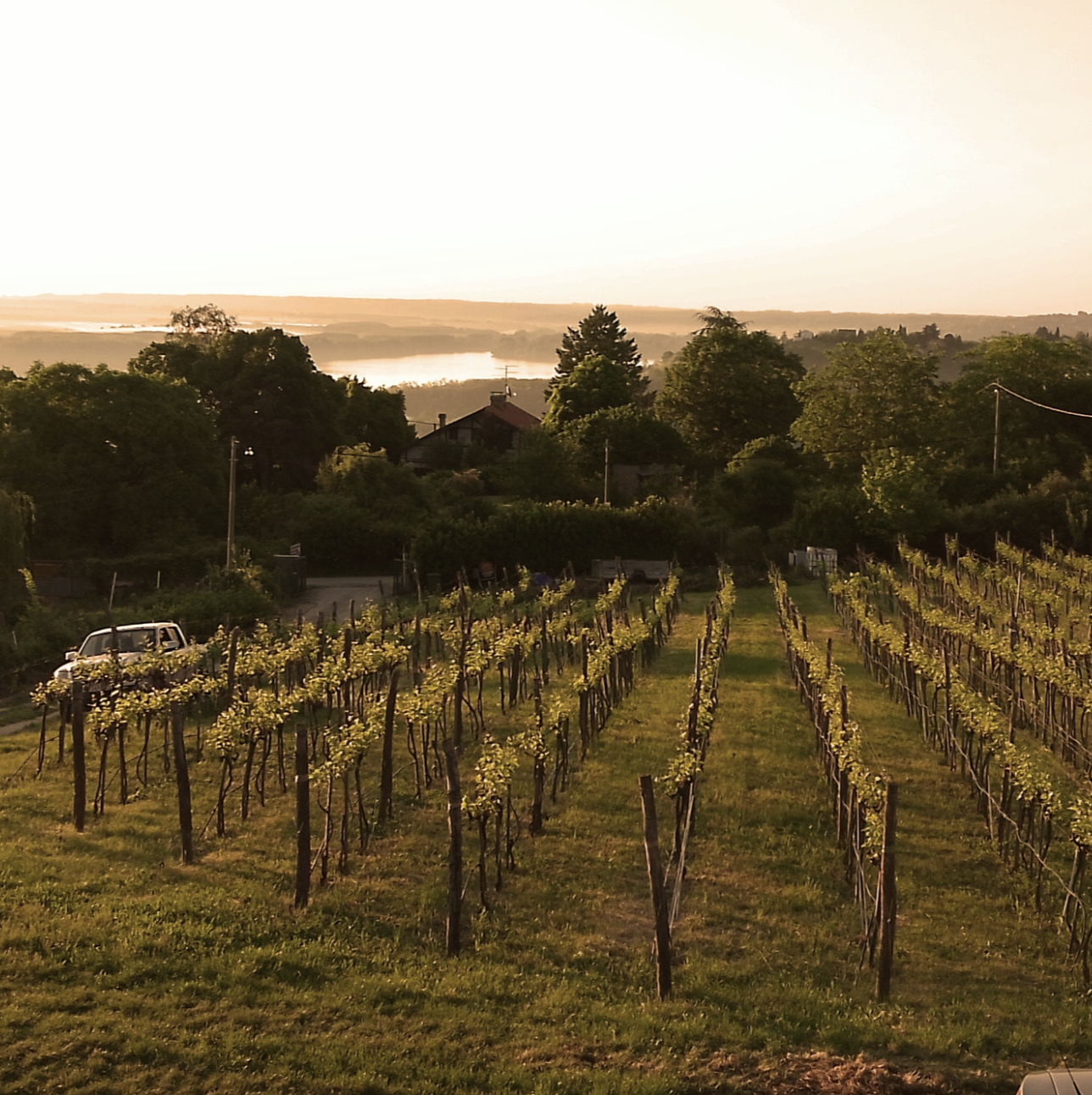
Vinarija Plavinci
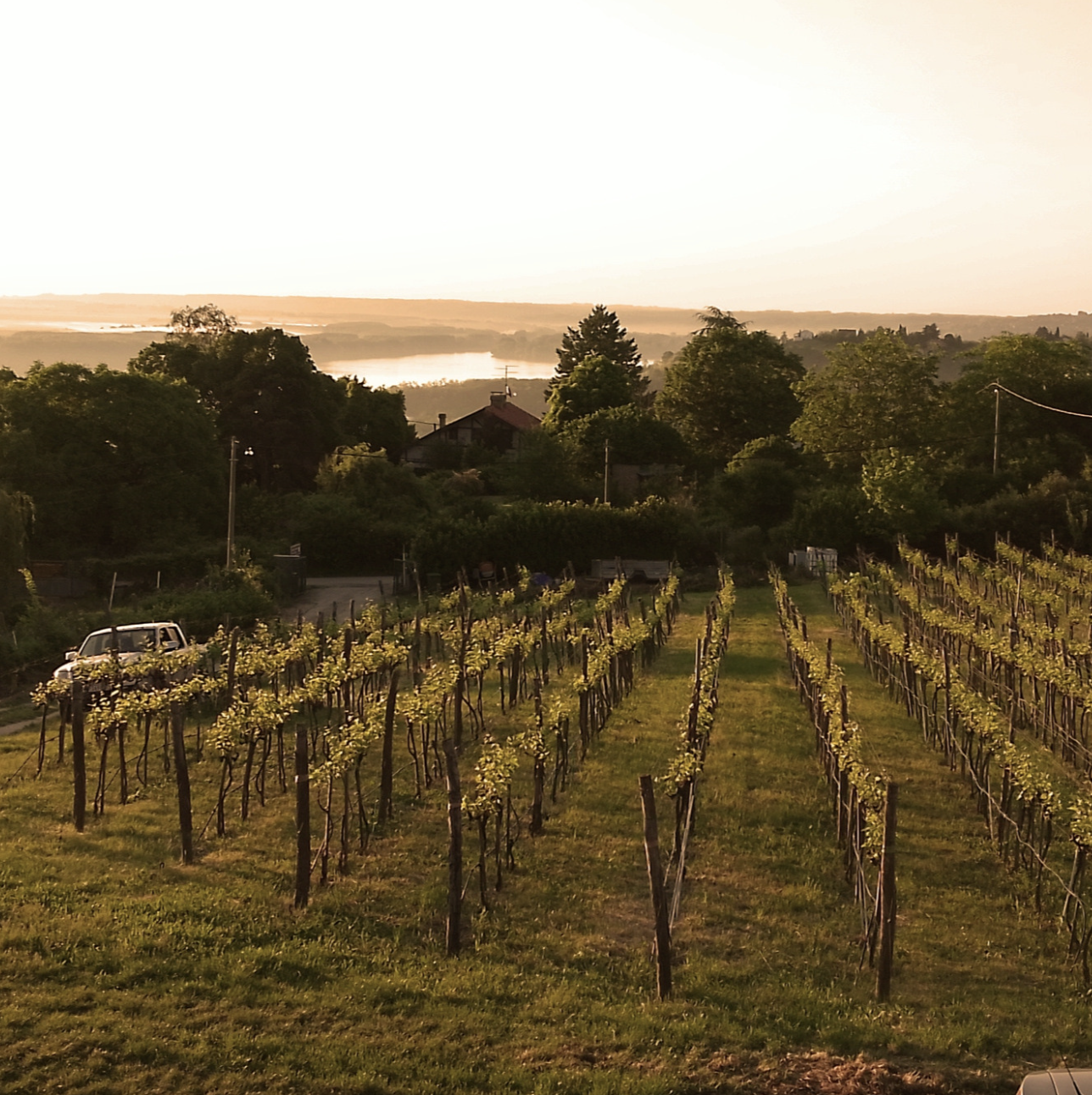
Vinarija Plavinci is a small, family-run organic winery on a hillside above the Danube, in the Grocka wine district, roughly 30 minutes outside Belgrade, Serbia. Its name traces back to sailors who, passing the area at dawn, saw the hillside vineyards glowing an indigo-blue in the morning light—a color left by the copper sulphate once used to treat the vines—and named the hills "Plavinci" after that blue. Those old vineyards largely gave way to apricot, peach, cherry, and apple orchards through the twentieth century, and eventually to weekend cottages for Belgrade's growing middle class, but the name—and a small remnant of vines—survived.
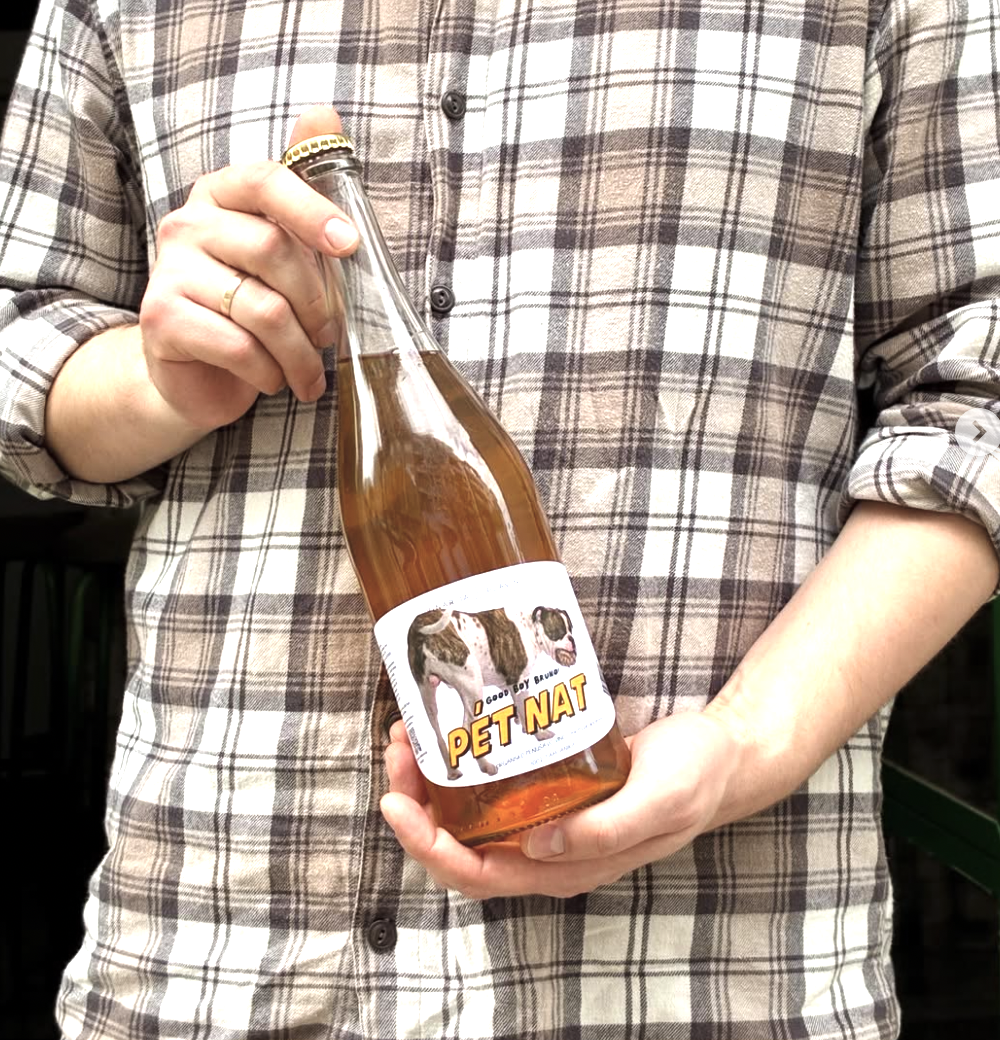
The modern project began in 2008, when a small overgrown plot in Plavinci was cleared of weeds, and by 2011 a modest garage had been converted into a winery. The first wine was released in 2014, and today Plavinci holds the distinction of being Serbia's first certified organic winery. Owners Nina and Branislav Andjelić run the estate as a genuinely hands-on operation—grapes are hand-harvested, hand-pressed, hand-bottled, and hand-labelled, with the family investing up to ten times the usual time per bottle. Rather than chasing market share, the philosophy is explicitly slower and smaller: winning over the few who recognize the real thing when they taste it.
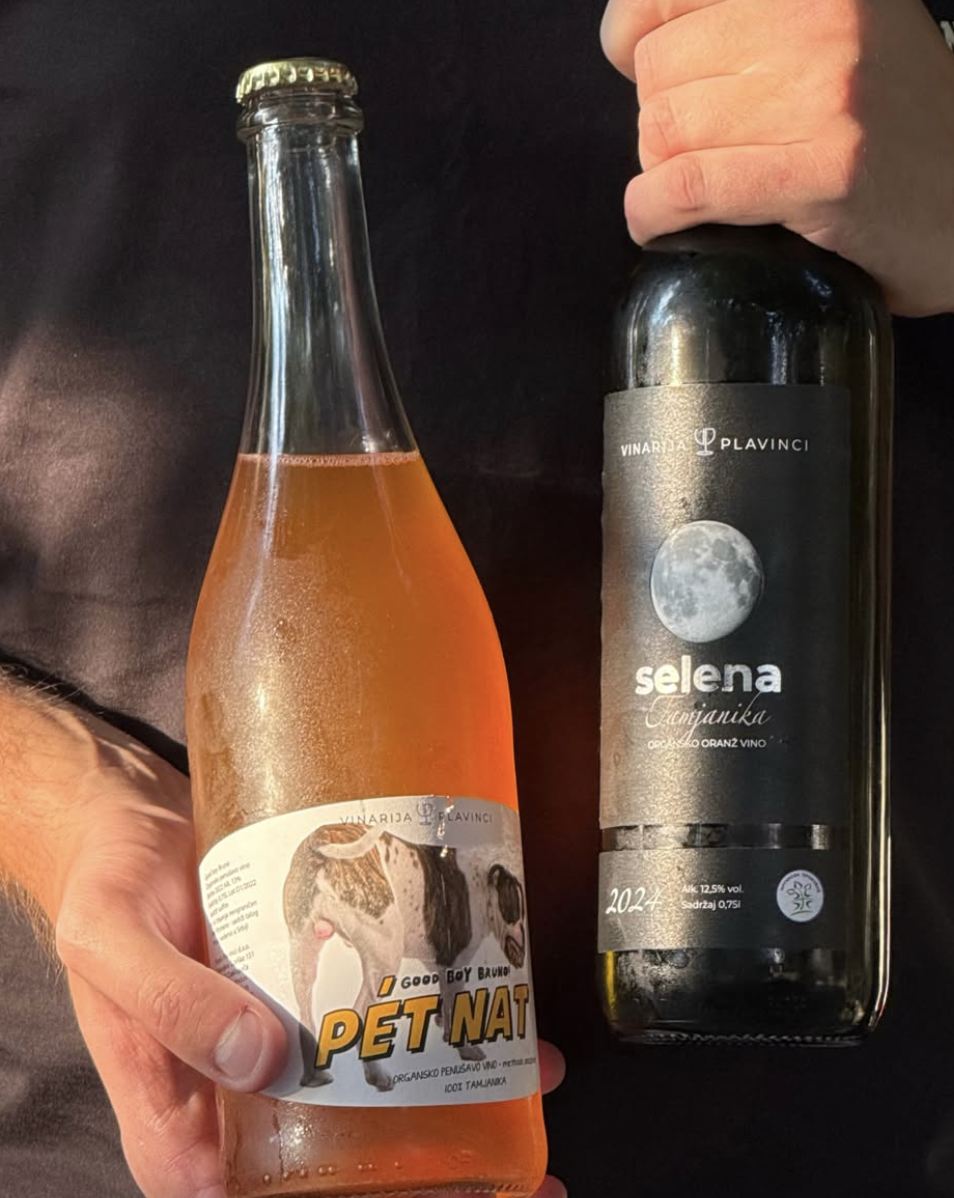
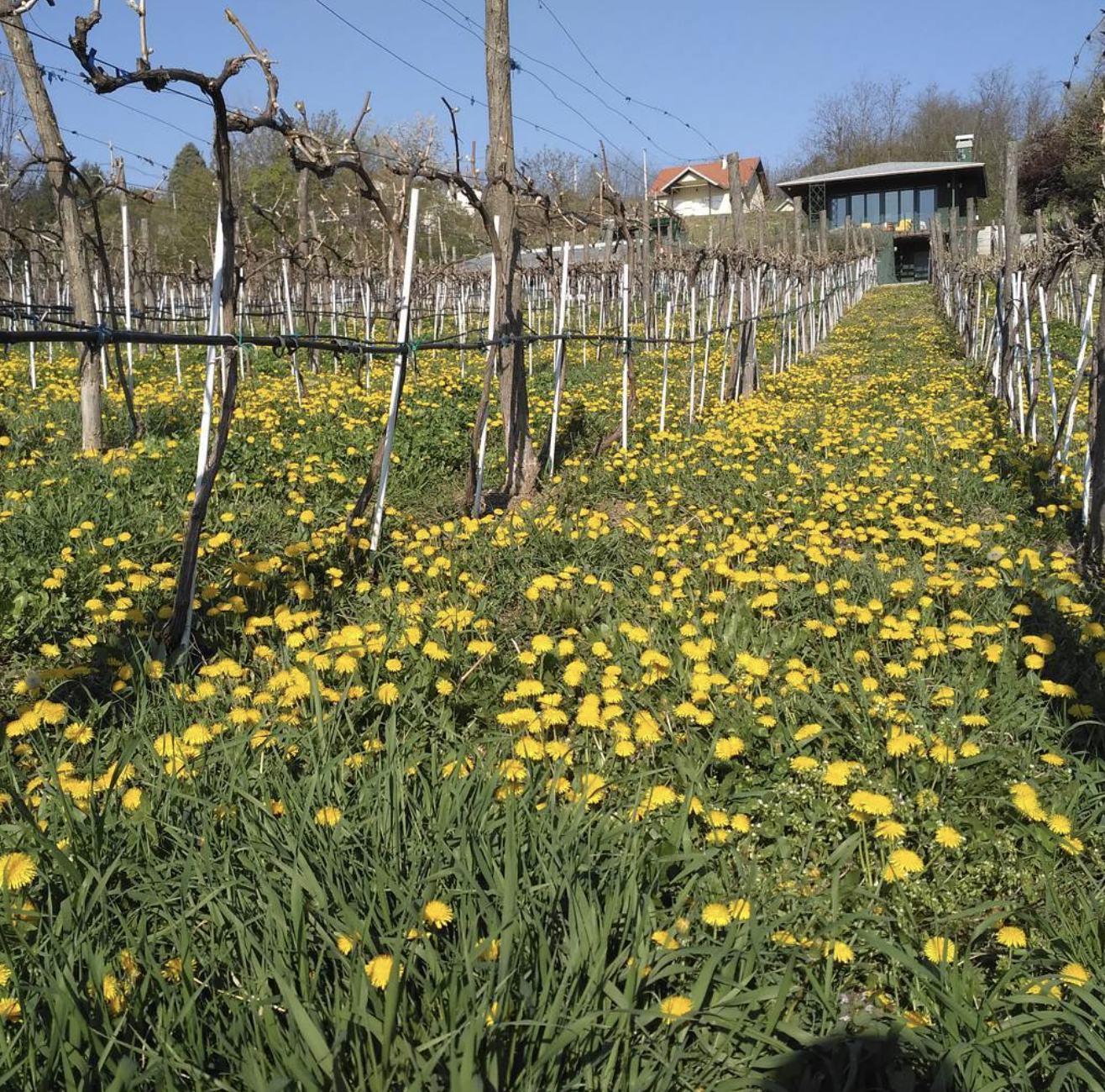
Plavinci works with rare, often little-seen varieties for the region—Cabernet Sauvignon, Tamjanika, Panonia, Regent, and Chardonnay among them—farmed without spraying or synthetic fertilizer, worked by hand and hoe rather than heavy machinery, and nourished with plant compost. Serbian conventional winemaking law permits up to 49 different chemical additives and processes; Plavinci uses none of them, and avoids animal-derived fining agents entirely, making the wines suitable for vegans as well. There's no formal tasting room—visitors are received in the family's own home, with a summer terrace overlooking the Danube accommodating up to 40 guests by appointment. It's a winery built less on scale or ambition and more on quiet conviction: proof that a genuinely natural, chemical-free approach can still thrive just outside a major European capital.
Biodyna
Biodynamic
Natural
Socials
https://www.instagram.com/vinarija.plavinci/
Wines
SRC's wines read like transcripts of Etna itself—pale in color, high in energy, and shot through with the volcano's mineral pulse. Their Etna Rosso, built from Nerello Mascalese grown on iron-rich volcanic soil, shows the variety's signature paradox: light on its feet yet deeply structured, with red cherry, wild herb, and a smoky, ashen undertow that lingers. Alberello, from old bush-trained vines, pushes further into that tension—taut, savory, and lifted, with barely any sulfur to soften its edges.
Rivaggi blends Grenache into the Nerello Mascalese, softening the frame slightly while keeping the volcanic grip intact—juicier fruit, but still that mineral spine underneath. On the white side, Pirao comes from Rori's favorite vineyard, a forested plot at 1,000 meters where old-vine Carricante and a touch of Grecanico yield something bright, saline, and precise. Rinazzo, their single-site Etna Bianco Superiore, is the estate's most exacting white—100% Carricante from the only east-facing, sea-facing parcel on the property, fermented in stainless for pure, unshadowed clarity, with citrus pith, crushed stone, and a long, briny finish.
Anfora, a skin-contact blend of Minella Bianca and Nerello Mascalese, adds texture and a whisper of tannin to the whites, while their Rosato Frizzante brings the same low-intervention ethos to a lightly sparkling, playful register. Across the board, sulfites stay under 10 mg/L, nothing is filtered or fined, and every wine leans into rather than away from Etna's volcanic charge. The result is a range that trades polish for pulse—wines that taste like they grew straight out of the mountain.