PrimaLuce
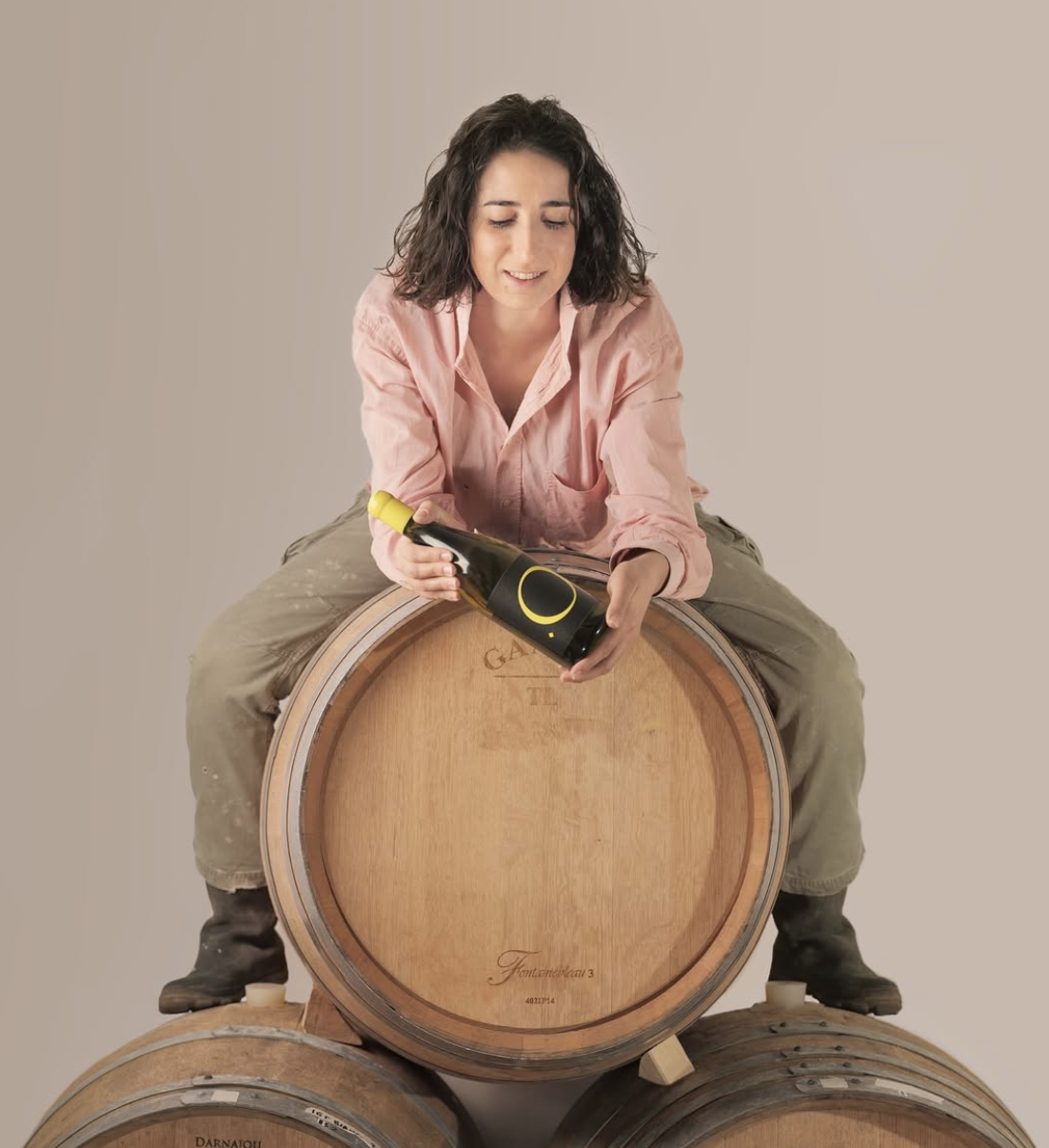
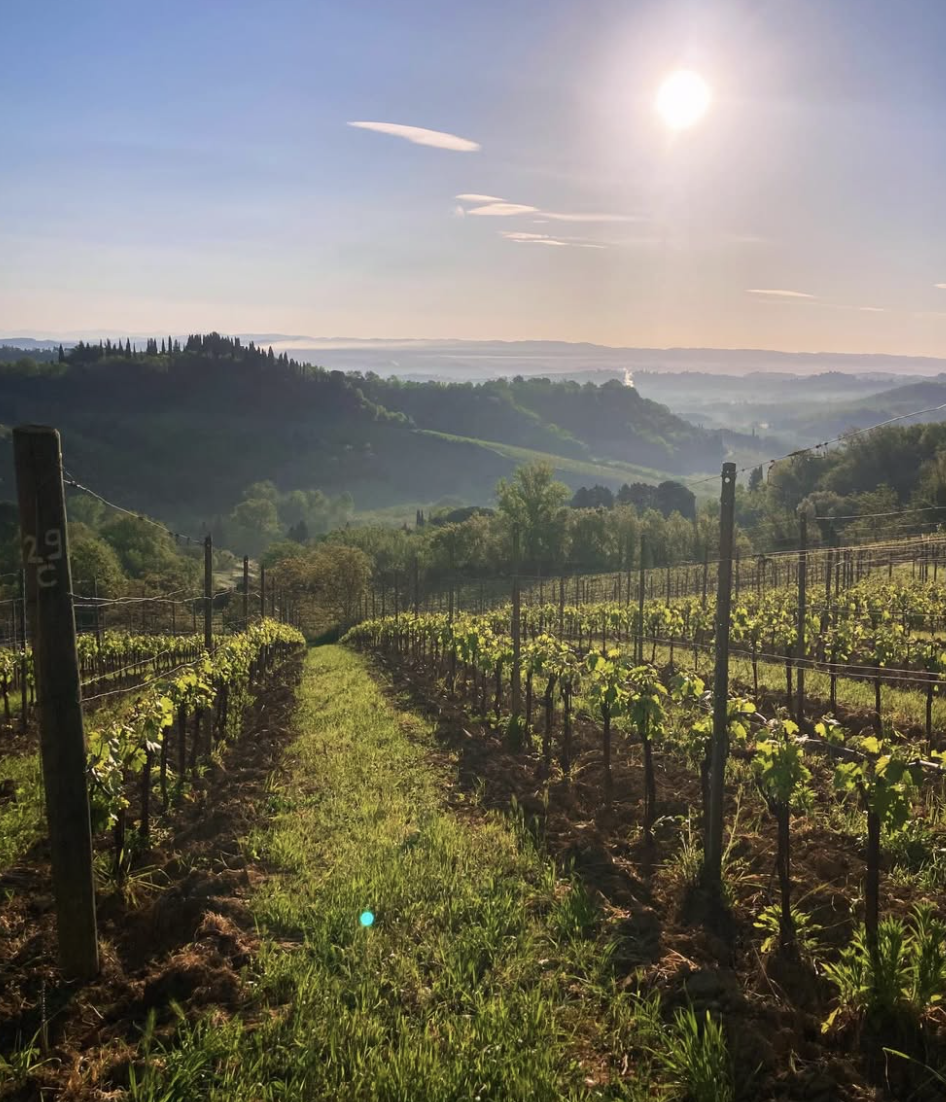
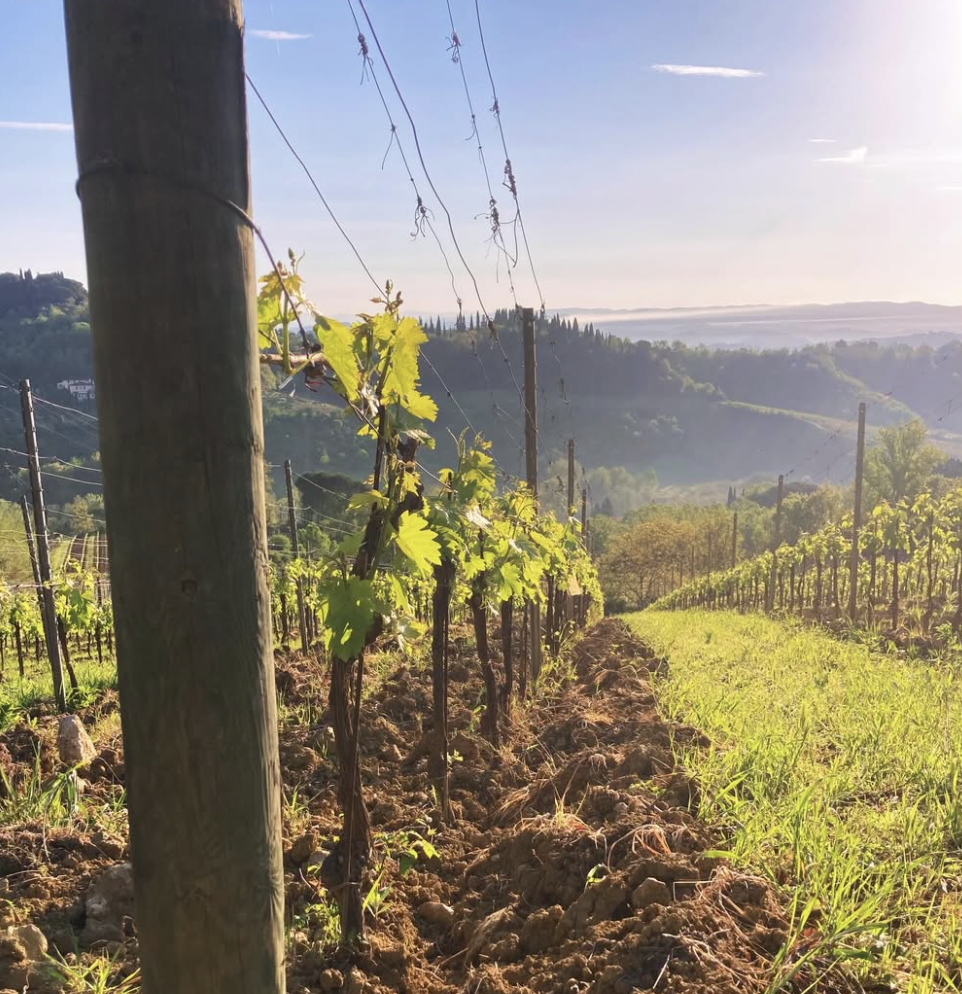
Agricola PrimaLuce is a small organic estate in Santa Lucia, a hamlet of San Gimignano in Tuscany's Siena province, founded by young winemaker and agronomist Rebecca Marzani. After years working production roles at some of Tuscany and Piedmont's most respected estates—in Bolgheri, Barbaresco, and Montalcino—and harvest experience abroad in Australia's Barossa Valley and Chile's Santa Cruz, Rebecca returned home to build something of her own on land her grandfather Alfiero had bought in 2016: nearly three hectares of hillside vineyard and 200 olive trees, some possibly a century old, overlooking the medieval towers of San Gimignano.
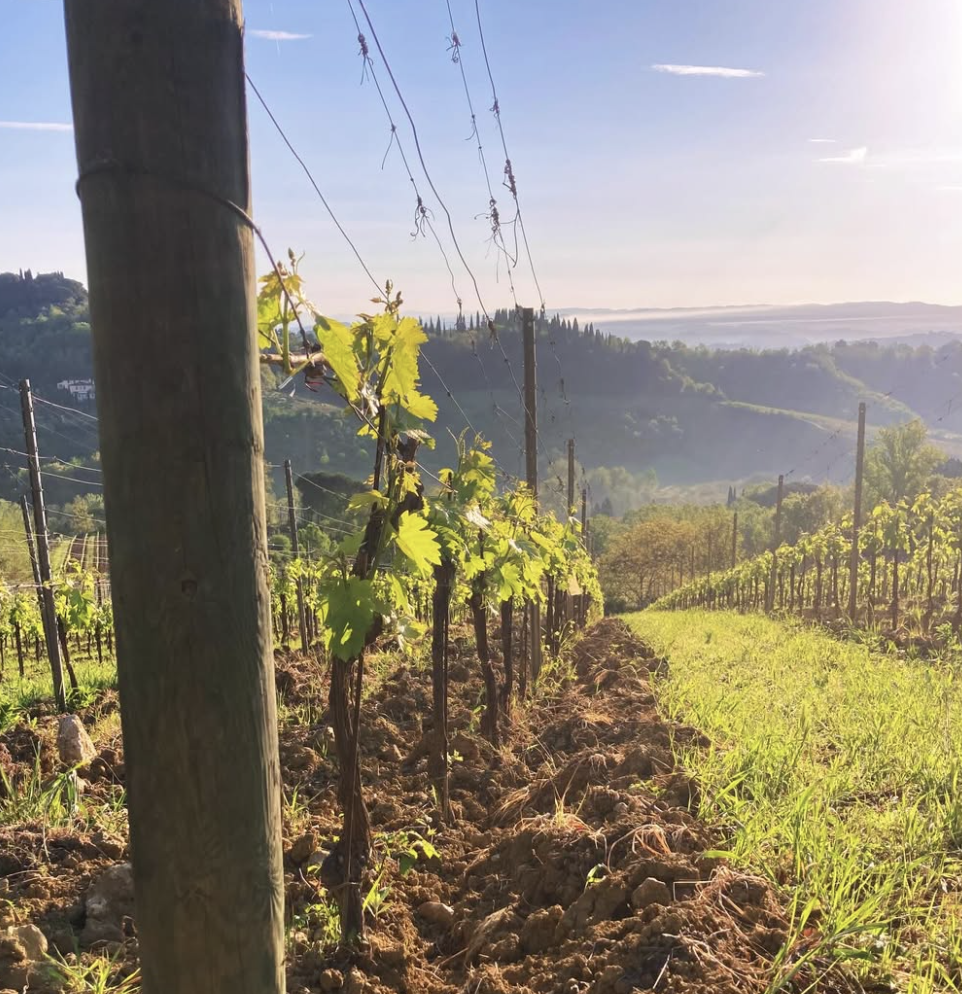
The story runs in an unusual direction—a family wine venture that starts not with an ancestor's vines but with a granddaughter's ambition, and a grandfather who took up the challenge. When the existing vines proved unsalvageable in 2017, Rebecca replanted two years later with two native varieties: Vernaccia di San Gimignano and Trebbiano Toscano, farmed organically on northeast-facing Pliocene seabed soils around 330 metres above sea level—fossil-rich ground shaped by ancient, brackish sediment and cooled by sea breezes drifting in off the coast.
The project leans fully into sustainability, from a rainwater-recovery irrigation system to slow, low-intervention farming that keeps vineyard changes to a minimum. Rebecca's stated aim is to bring out Tuscany's hidden white-wine potential, crafting elegant, precise, never-predictable wines that give Vernaccia and Trebbiano the same seriousness usually reserved for Tuscany's reds. Cold-pressed extra virgin olive oil from the estate's Leccino, Moraiolo, and Frantoio trees rounds out a project still very much in its early chapters—one family, one hillside, and a genuinely personal attempt to write a new page for one of Italy's oldest white wine appellations.
Biodyna
Biodynamic
Natural
Socials
https://www.instagram.com/primaluce_wine/
Wines
PrimaLuce's wines are built almost entirely around two native Tuscan white varieties—Vernaccia di San Gimignano and Trebbiano Toscano—grown on fossil-rich, brackish Pliocene soils that carry a distinct sea-breeze influence despite the vineyard's inland, hilltop position. Rebecca Marzani's stated aim isn't just typicity but elegance: wines she describes as refined and never predictable, letting each vintage express itself freely while still bearing her own stylistic signature.
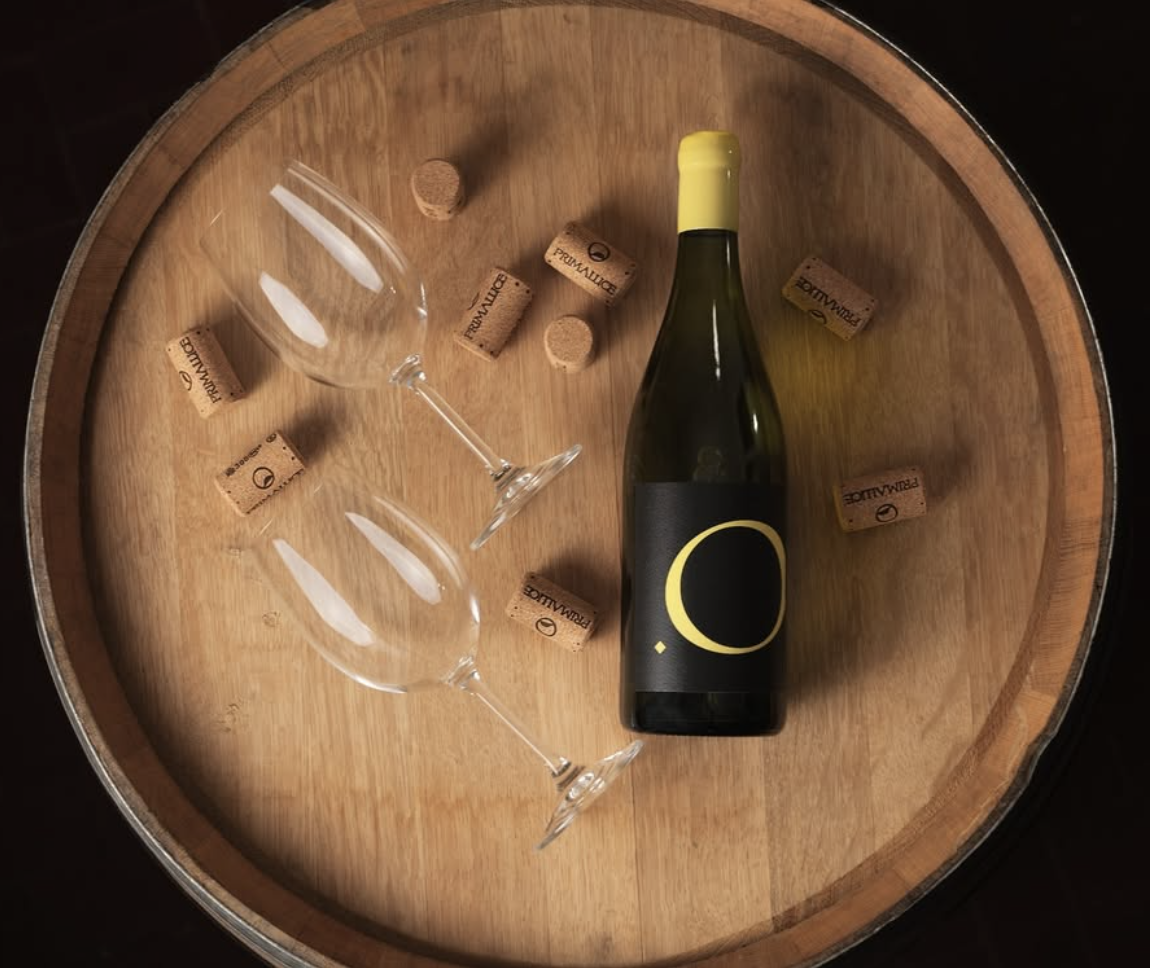
Punto Zero, an organic IGT white, captures that Santa Lucia terroir directly—fresh and savory, with notes of sage and sea air, read by those who know it as a true, unfiltered expression of what Vernaccia can be beyond its everyday reputation. Punto Luce, a Toscana IGT Trebbiano Toscano, gives that historically overlooked variety a rare moment of seriousness, aiming for depth and precision rather than simple, easy-drinking character. Both wines lean on the site's saline, mineral undertone—a direct signature of those ancient seabed soils—paired with the fresh acidity and aging potential Vernaccia di San Gimignano is prized for when handled with real intention.
Rebecca has also been developing a barrel-aged, single-variety Vernaccia and a comparable long-aging Trebbiano, both still resting in the cellar and not yet released or named—part of a slower, patience-driven side of the project still finding its final form. Across the range, the throughline is restraint: organic farming, minimal manipulation, and a refusal to let these grapes settle for "simple" when the soil clearly has more to say.