Grau Baumé
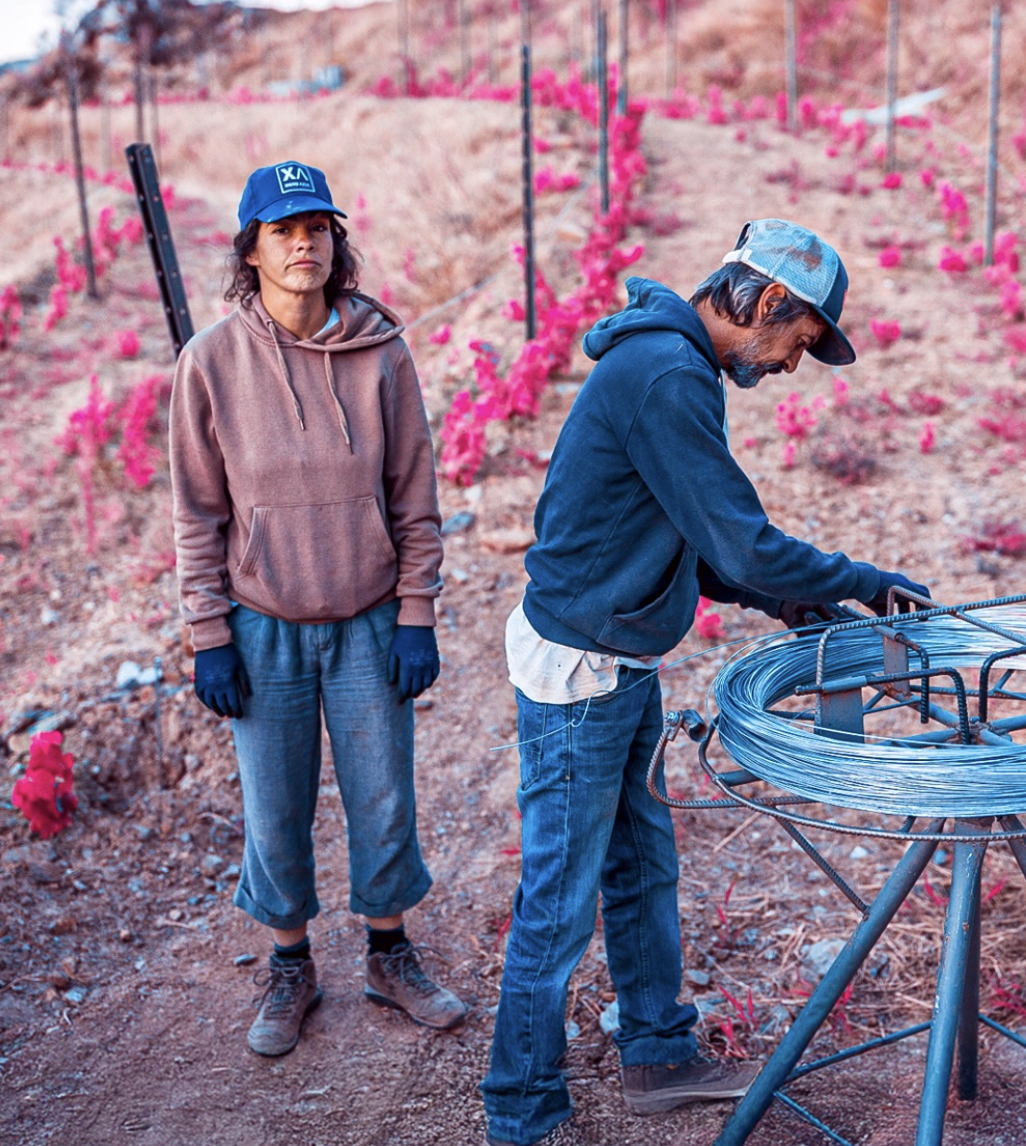
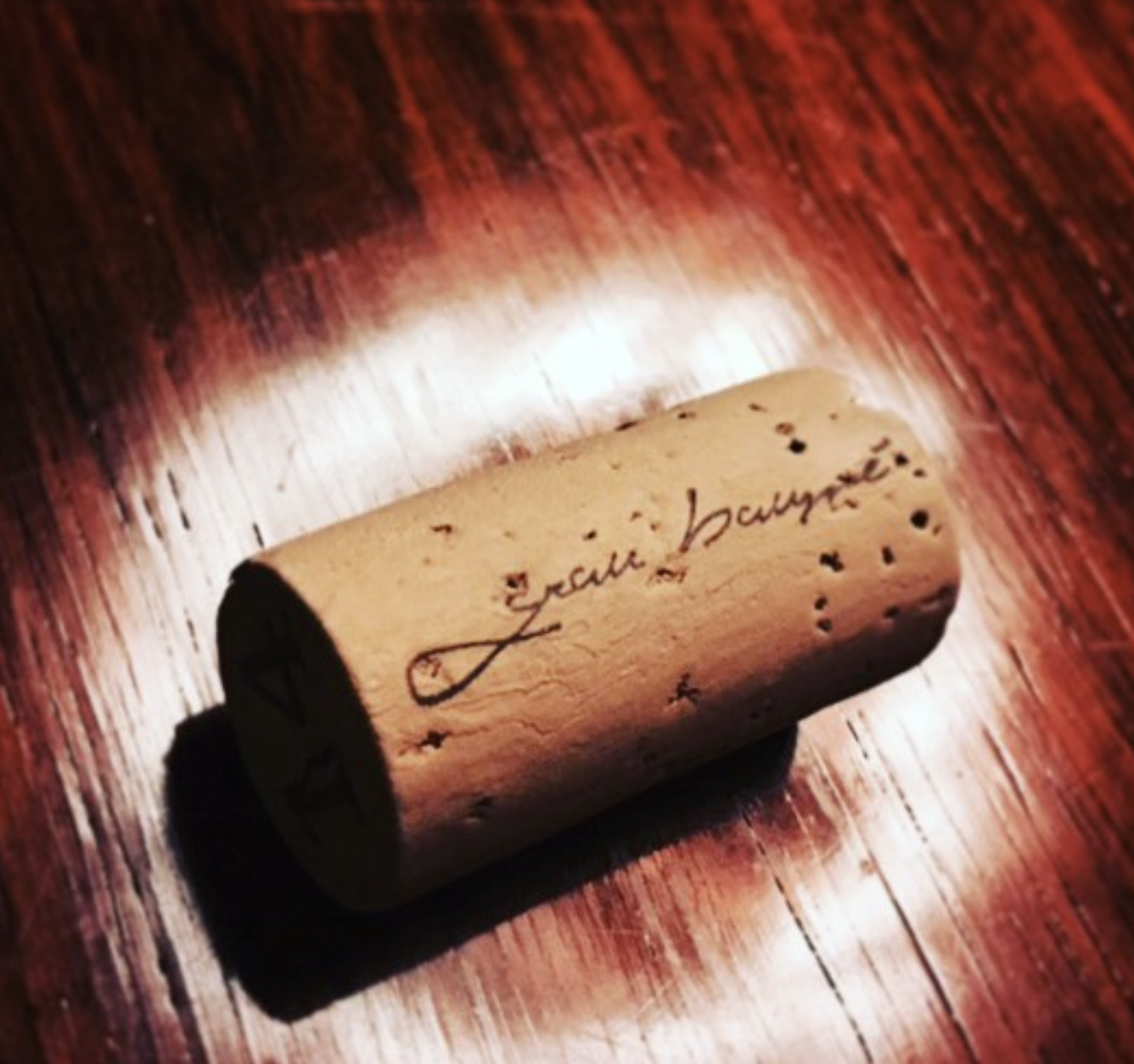
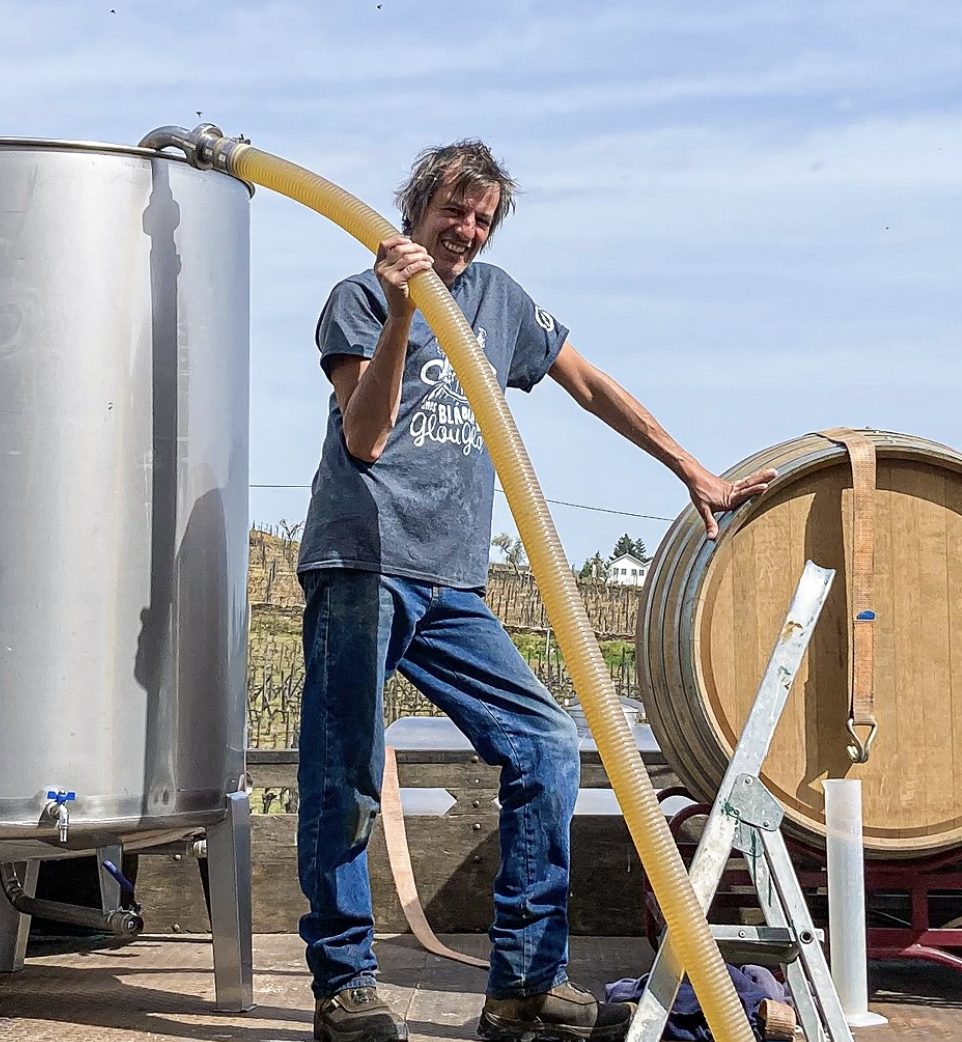
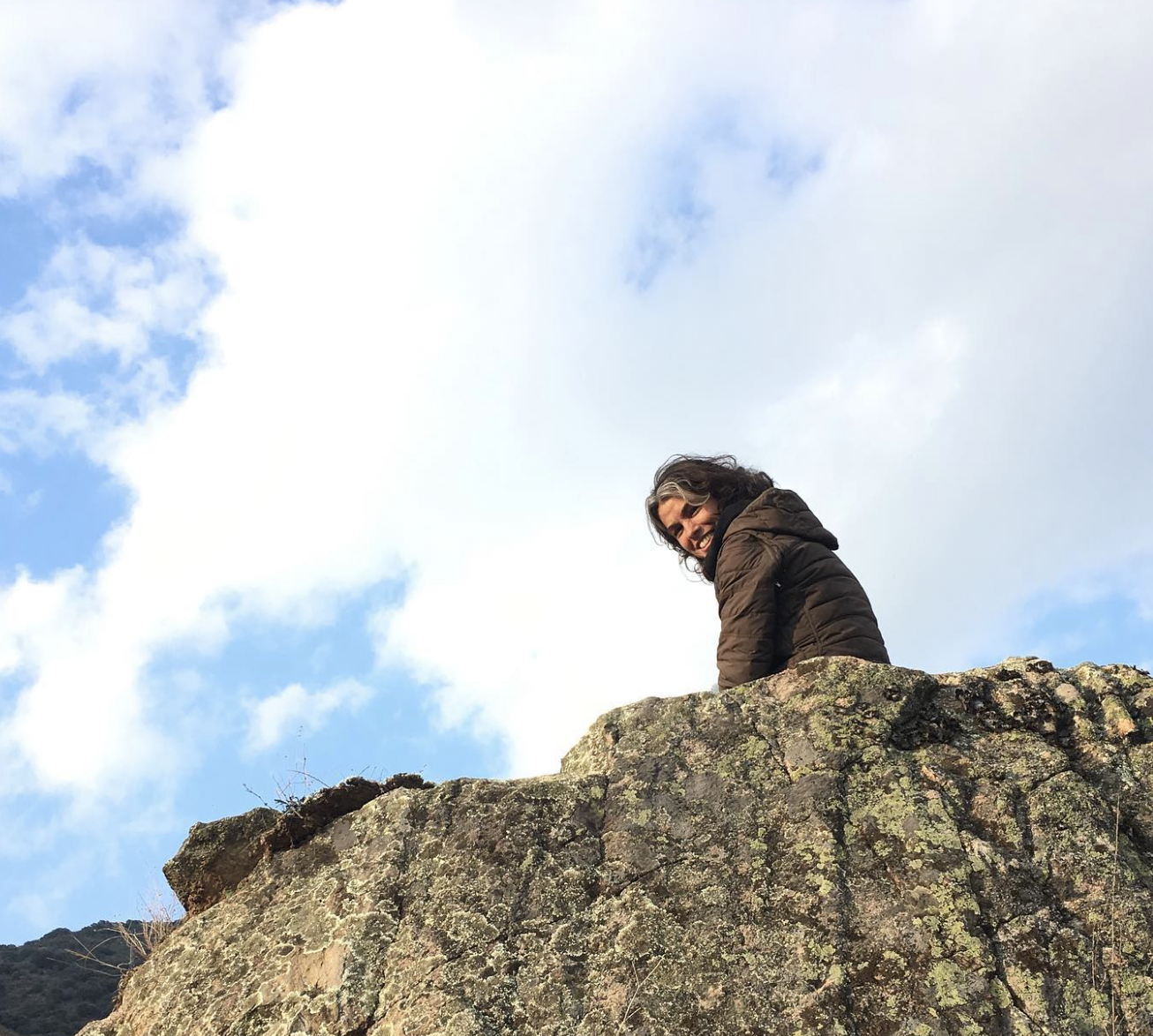
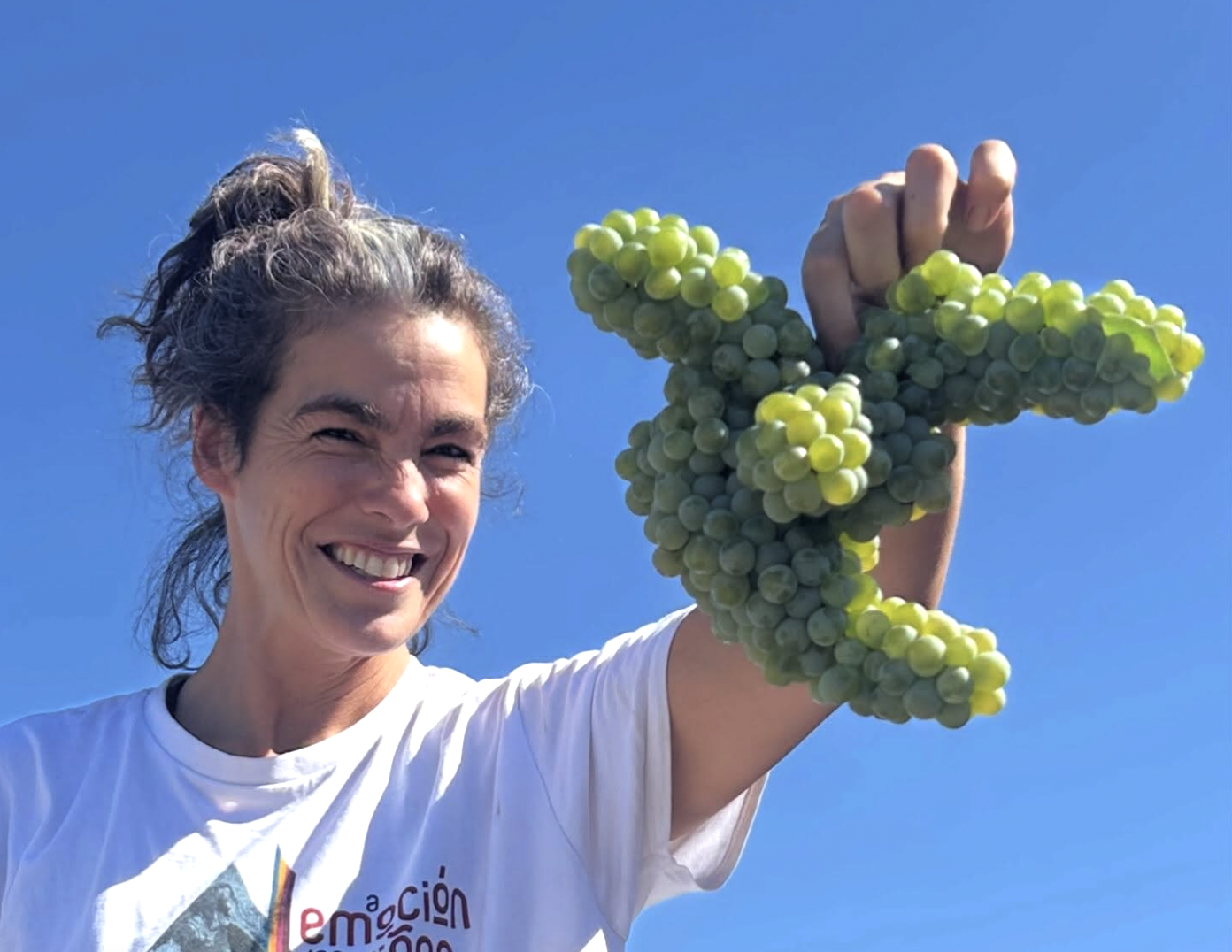
Grau Baumé is a small, boundary-pushing wine project in Portugal's Douro Valley, founded in 2008 by Ana Hespanhol and her partner Hugo Mateus. Ana took over Quinta do Zimbro from her father in 2015, a property with real historical depth—records suggest port has been produced there since at least 1875. Her father, Manuel Pinto Hespanhol, was once a leading figure in a movement of independent winemakers who spent the 1980s working to establish the Douro Valley as a serious wine region beyond its long association with Port.
Across a 23-hectare vineyard, Ana farms organically using only indigenous varieties—Touriga Nacional, Tinta Roriz, Touriga Franca, and Tinta Amarela among the reds, with Cerceal, Malvasia Fina, Rabigato, and Gouveio for the whites. While Quinta do Zimbro carries the estate's traditional legacy, Grau Baumé exists as Ana and Hugo's more experimental, contemporary side project—a space to explore new ideas without disrupting the heritage held at the main property.
The label leans fully into minimal-intervention winemaking, working across red, white, rosé, orange, and pét-nat styles, several bottled with little or no added sulphur. It's a project defined by curiosity and quiet ambition—two winemakers using the Douro's old vines and traditional grapes to ask new questions of a region still best known for fortified wine, and finding fresh, textural answers in the process.
Biodyna
Biodynamic
Natural
Socials
https://www.instagram.com/graubaume/
Wines
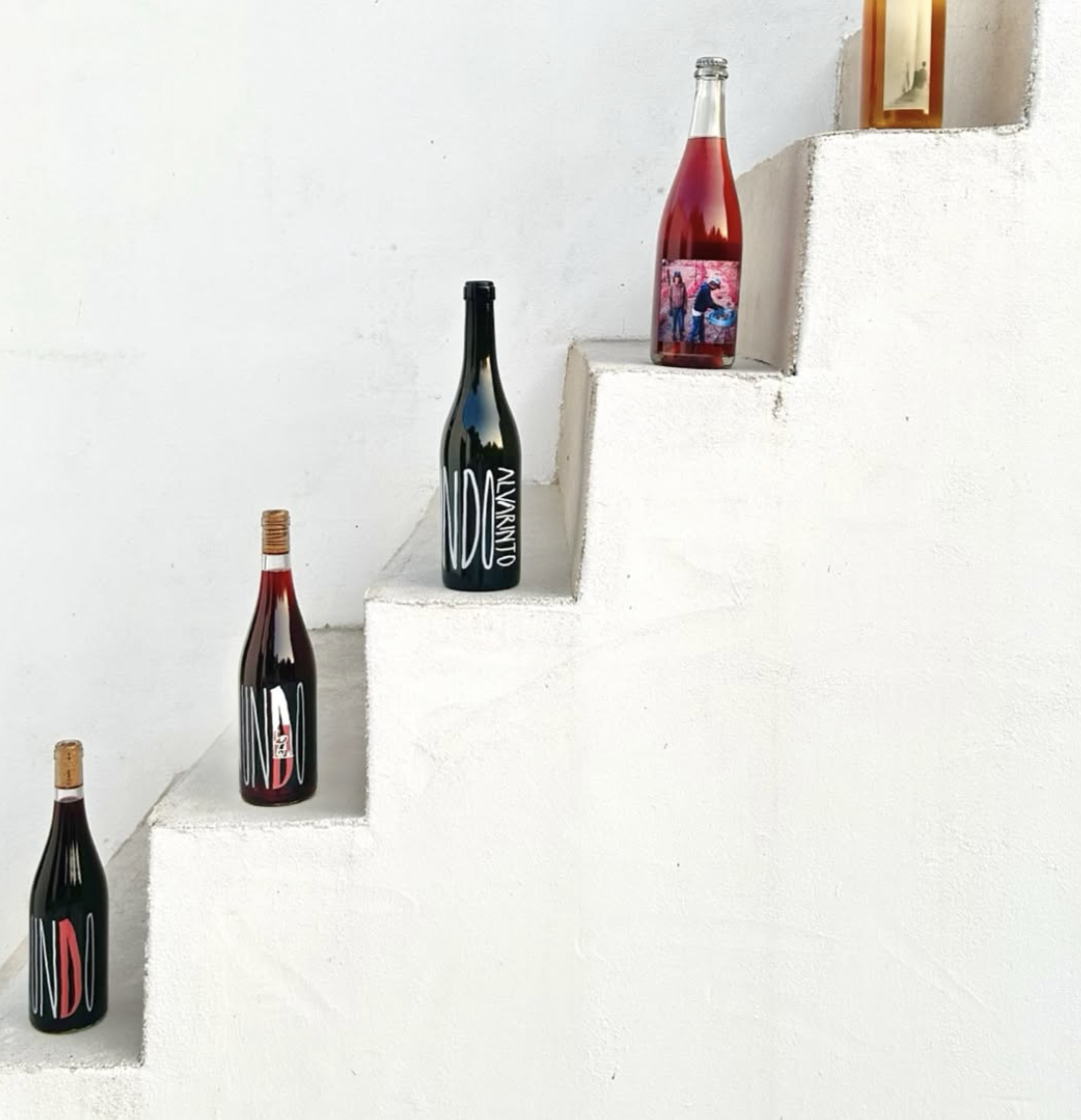
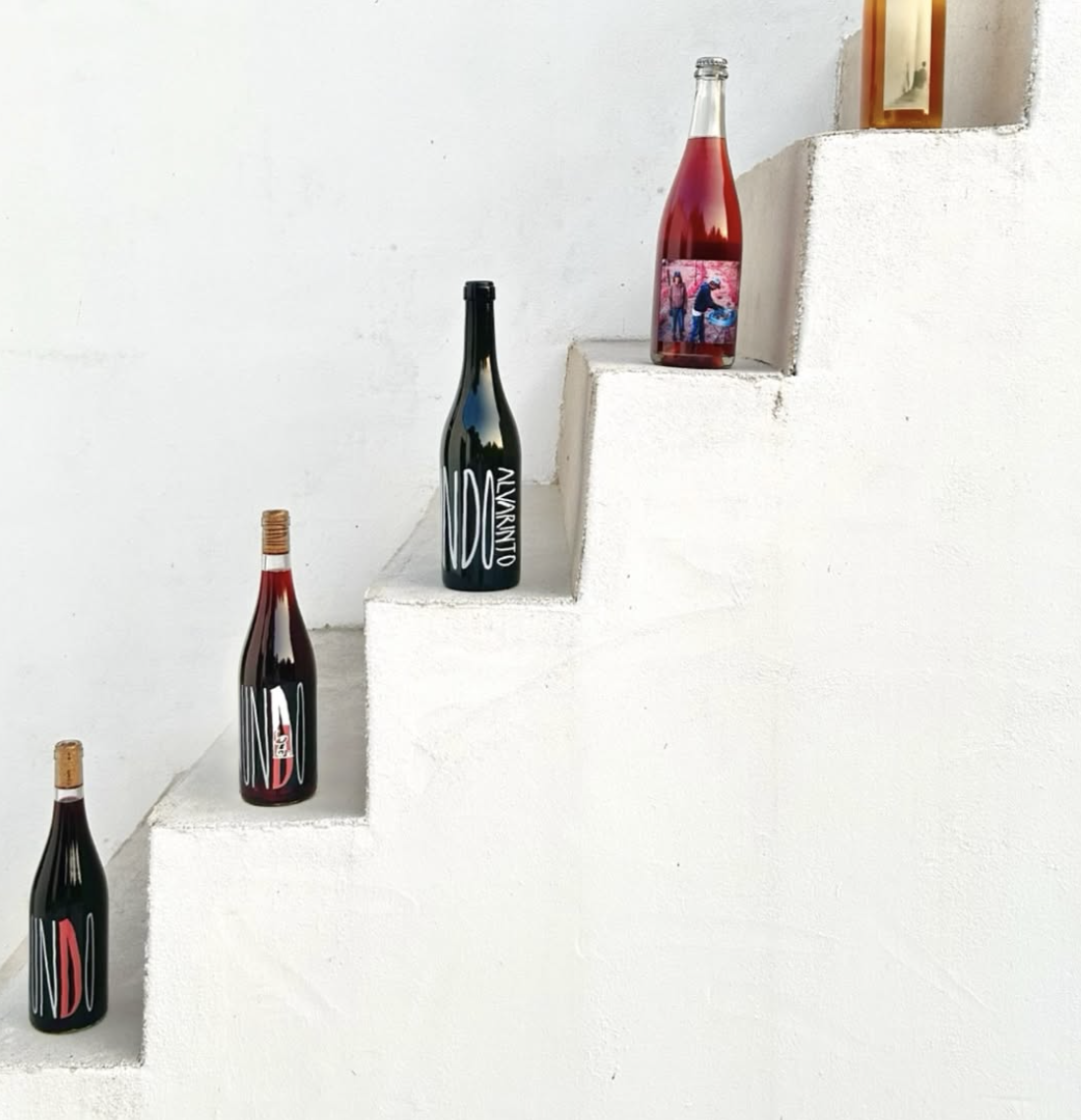
Grau Baumé's range reads like a series of experiments layered onto centuries-old Douro tradition—each wine built from indigenous varieties but pushed into unorthodox territory through minimal intervention and a genuine sense of play. The UNDO line sits at the more radical end: UNDO Skin Contact is a natural orange wine blending Albariño, Arinto, and over a dozen other varieties, fermented on skins with less than 10 mg/L of added sulphites, resulting in something textural and untamed. UNDO Red, built from Tinta Barroca, and UNDO White, an Arinto-based wine, carry that same experimental spirit in more focused form, while UNDO Pet Nat brings a lively, low-intervention sparkle to the lineup.
The Grau Baumé-labeled wines lean slightly more toward tradition while still keeping things loose. Grau Baumé Tinto, a blend built around Tinta Cão and Tinta Roriz among others, shows the dark fruit, herbal lift, and schist-driven minerality typical of quality Douro reds, without excess polish. Grau Baumé Rosé has a pale salmon hue, with vegetal and tangerine notes warmed gently by oak, dry and smooth on the palate with balanced acidity and a cherry-toned finish. Pipa, a red built from Tinta Roriz and Touriga Franca, adds another expression of the estate's old-vine fruit, while Estágio Longo signals a longer-aged, more contemplative style within the range.
Across the board, the wines favor authenticity over convention—modest sulphur, indigenous grapes, and a working philosophy that treats each vintage as a fresh conversation with the land rather than a fixed formula. It's Douro wine with the fortified-wine seriousness stripped away and something more spontaneous, personal, and quietly experimental put in its place.