Sassara Vini
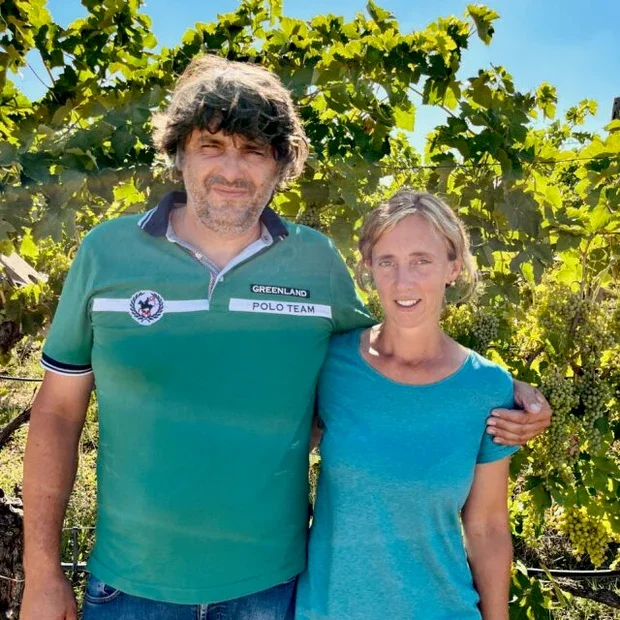
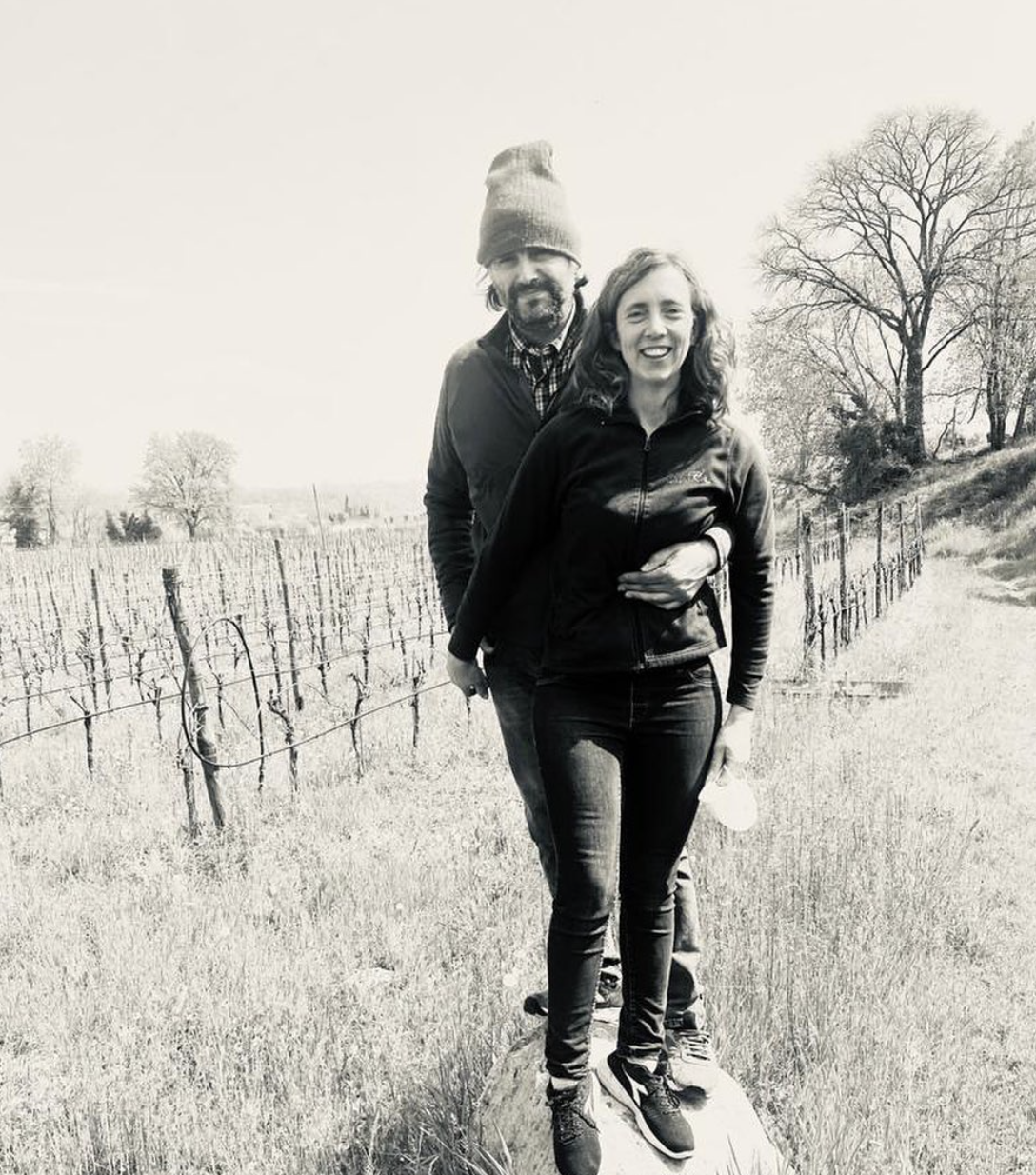
Sassara Vini is a small, biodynamic natural wine project on the slopes of Monte Mamaor, in the morainic hills at the southern edge of the Bardolino DOC near Custoza, roughly 24 kilometres outside Verona and close to the shores of Lake Garda. The estate is run by Alessia and Stefano Bertaiola—Alessia bringing a background in agricultural research and development, Stefano a third-generation winemaker whose family has farmed this land for over fifty years. The couple took full control of the property in 2007 and converted it to organic and biodynamic farming.
Across fourteen hectares, ten are dedicated to vines, with the remainder given over to olive groves and shaded woodland. The land itself carries a striking geological history—once submerged beneath an ancient sea and later shaped by glacial activity, leaving soils rich in marine deposits and morainic sediment: quartz, granite, calcareous rock, and alabaster. That layered ground supports old vines, many between sixty and seventy years old, alongside younger plantings the couple have added themselves, all of local, often little-known genetic material.
Sassara Vini works almost entirely with indigenous varieties—Corvina, Corvinone, Rondinella, Molinara, and Rossanella for reds, alongside Garganega, Trebbianello, Tocai, Moscato, Fernanda, and Trebbiano for whites. In a region best known for the polished, internationally minded wines of Amarone and Valpolicella, the Bertaiolas have set out in the opposite direction—unfined, unfiltered, and made with minimal intervention, offering their own avant-garde take on Bardolino's older, more authentic wine identity. The result is a range built on old vines and old grapes, but expressed with a spontaneity and honesty that feels entirely of the present.
Biodyna
Biodynamic
Natural
Socials
https://www.instagram.com/sassara_vini/
Wines
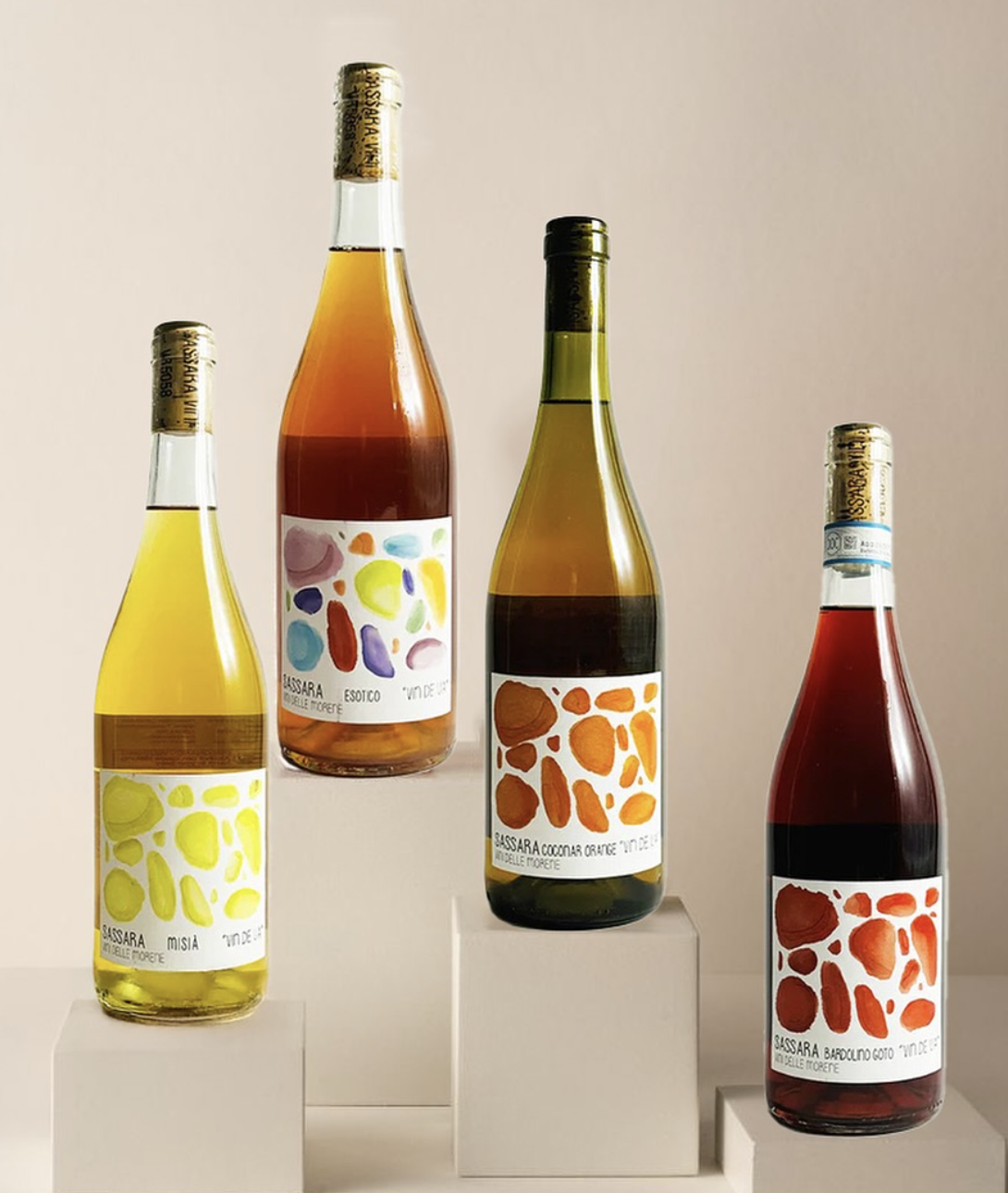
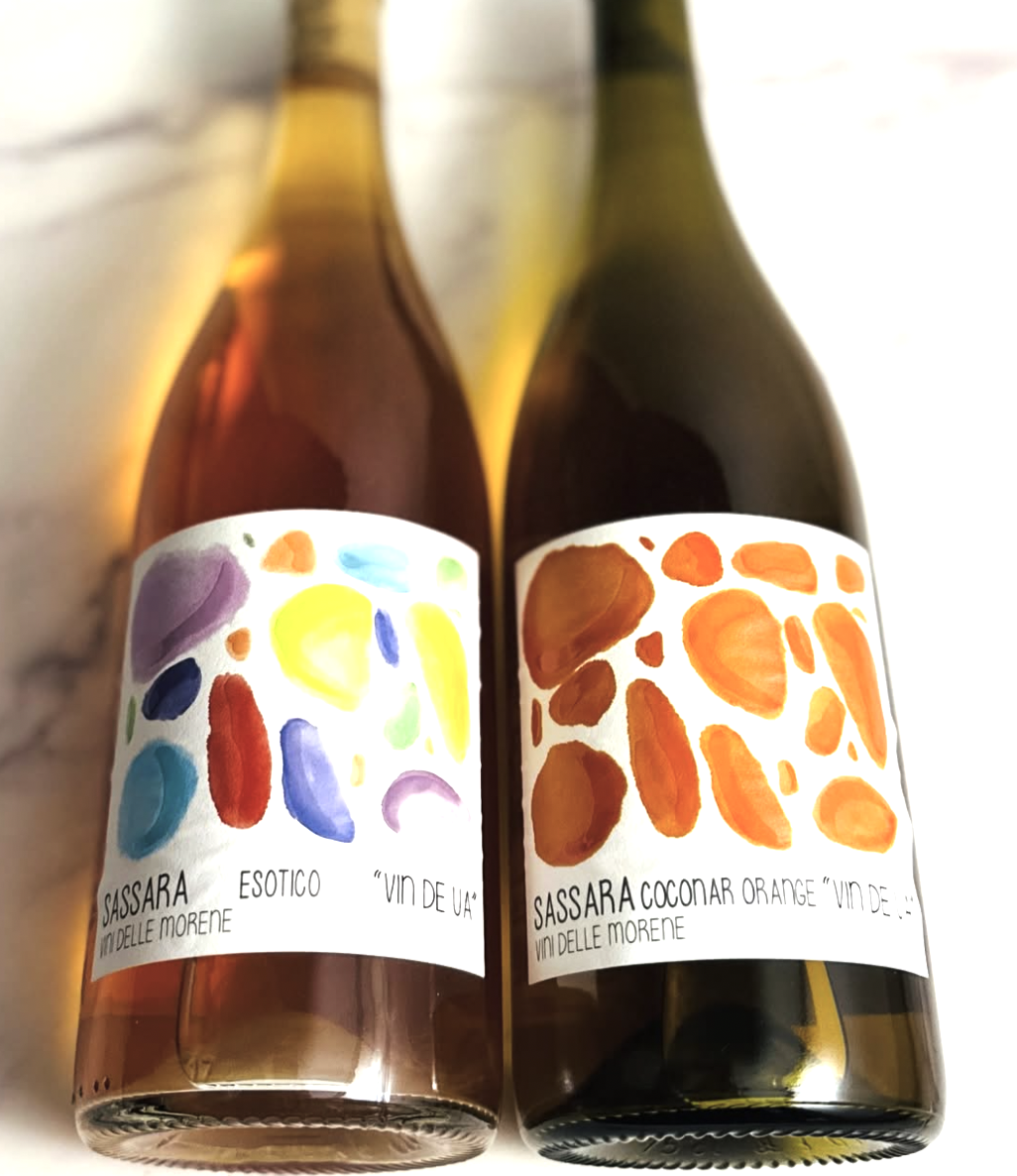
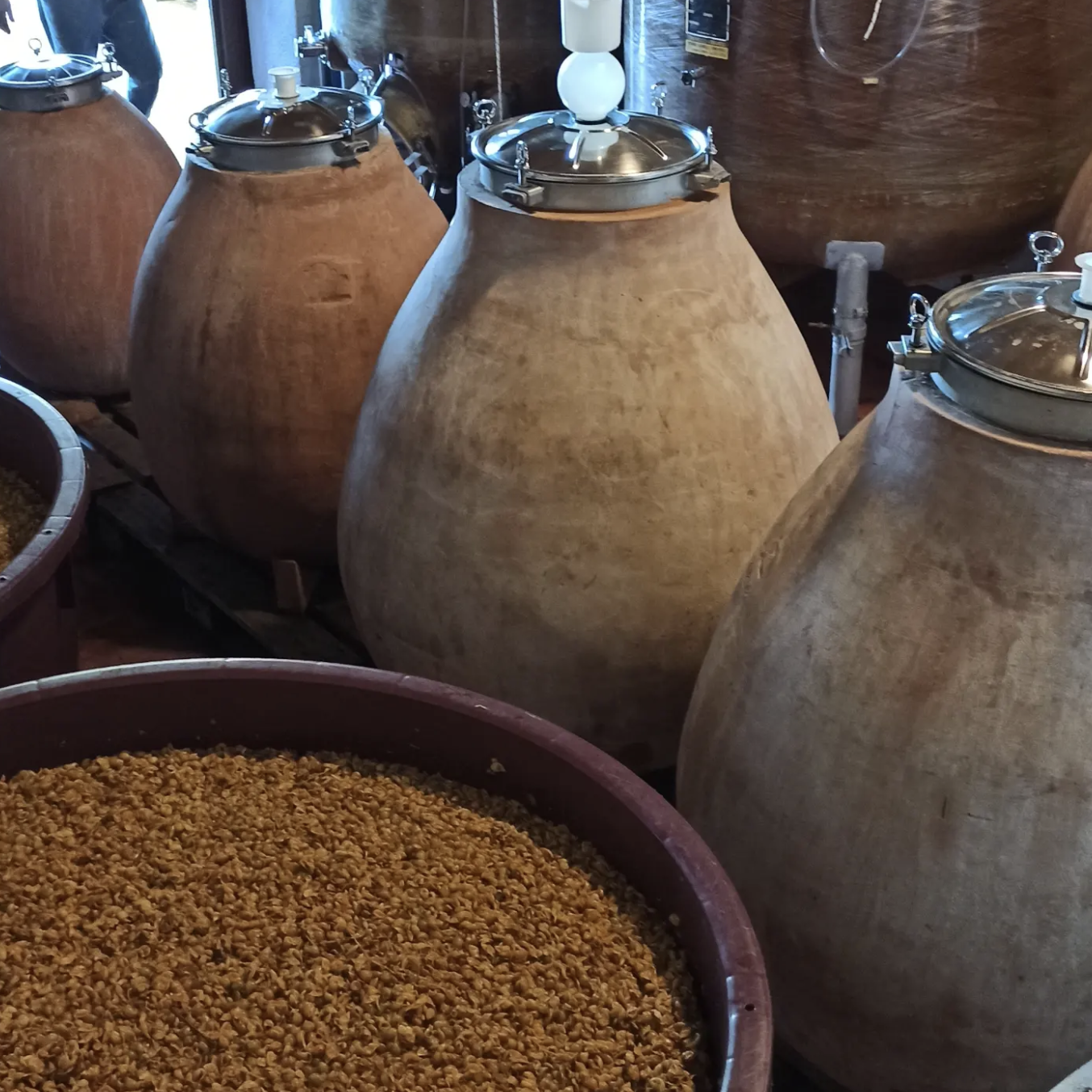
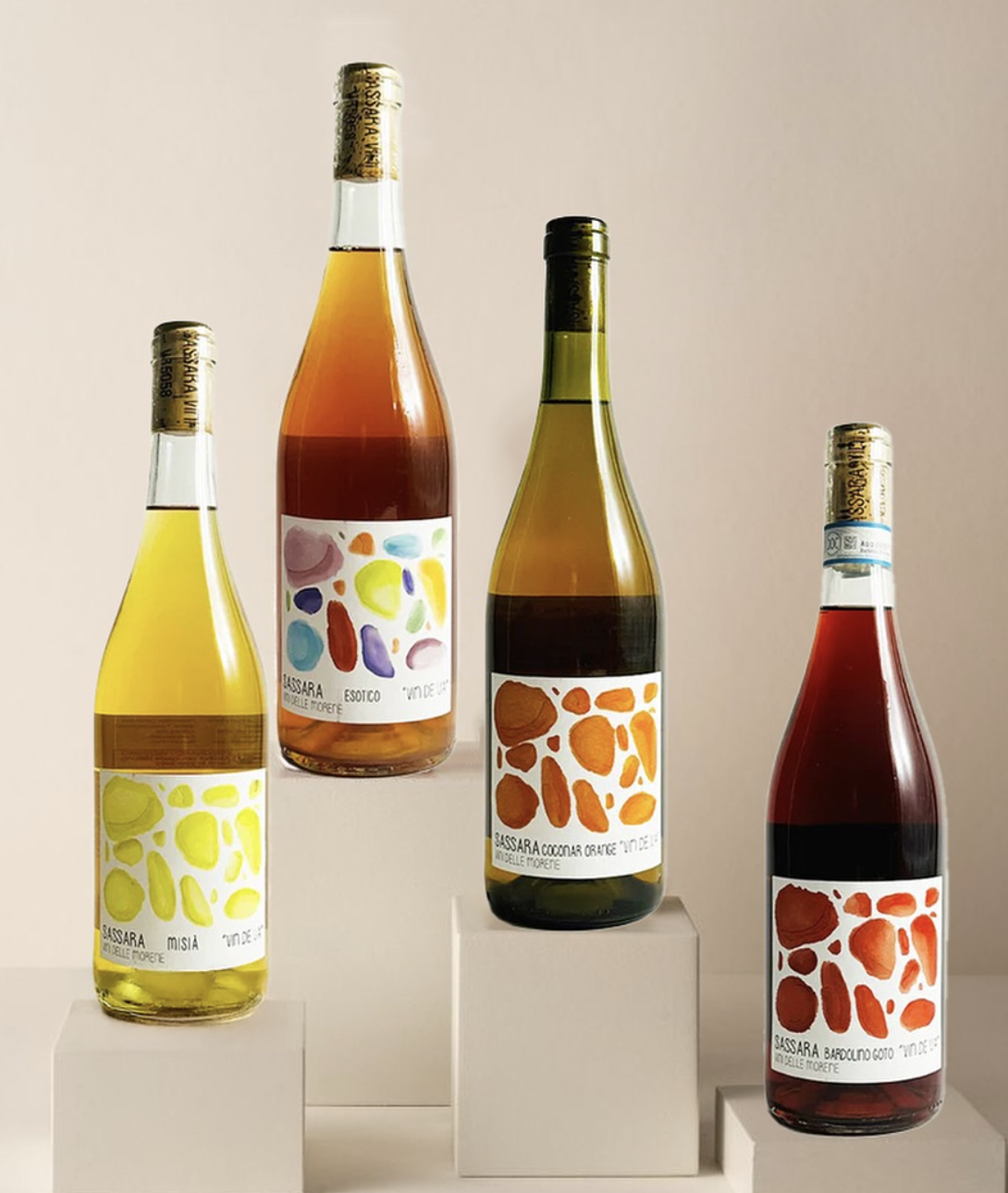
Sassara Vini's wines lean fully into spontaneity—old vines, wild ferments, and a refusal to sort grapes into tidy categories of red, white, or rosé. Esotico, their debut release, set the tone for the project: a co-fermented blend of roughly 30% red grapes (Corvina, Rossanella, Rondinella, Molinara) and 70% white grapes (Fernanda, Moscato, Trebbianello, Trebbiano, Garganega, Tocai), all hand-harvested from old vines and left to macerate on skins for ten days without temperature control. Aged in stainless steel with no filtering, fining, or added sulfur, it lands somewhere between orange and rosé—vibrant, playful, and genuinely unclassifiable, built for easy, joyful drinking rather than serious contemplation.
Vydria Rossanella brings a single indigenous variety—Rossanella, a rare, little-known local red—into sharper focus, offering a more direct look at what these old morainic-hill vines can do on their own. Beyond these, the estate produces its own interpretations of regional styles like Custoza, Bardolino, and Bardolino Chiaretto, all filtered through the same natural, low-intervention lens rather than the polished, commercial template the region is typically known for.
Across the range, expect dazzling fruit, real minerality from those ancient seabed-and-glacial soils, and a textural, sometimes unpredictable character shaped by native yeast fermentation and minimal cellar handling. These are wines that trade the area's usual internationally styled reds for something rawer and more site-specific—an avant-garde reading of Bardolino built on decades-old vines and centuries of local wine memory.