Pépin
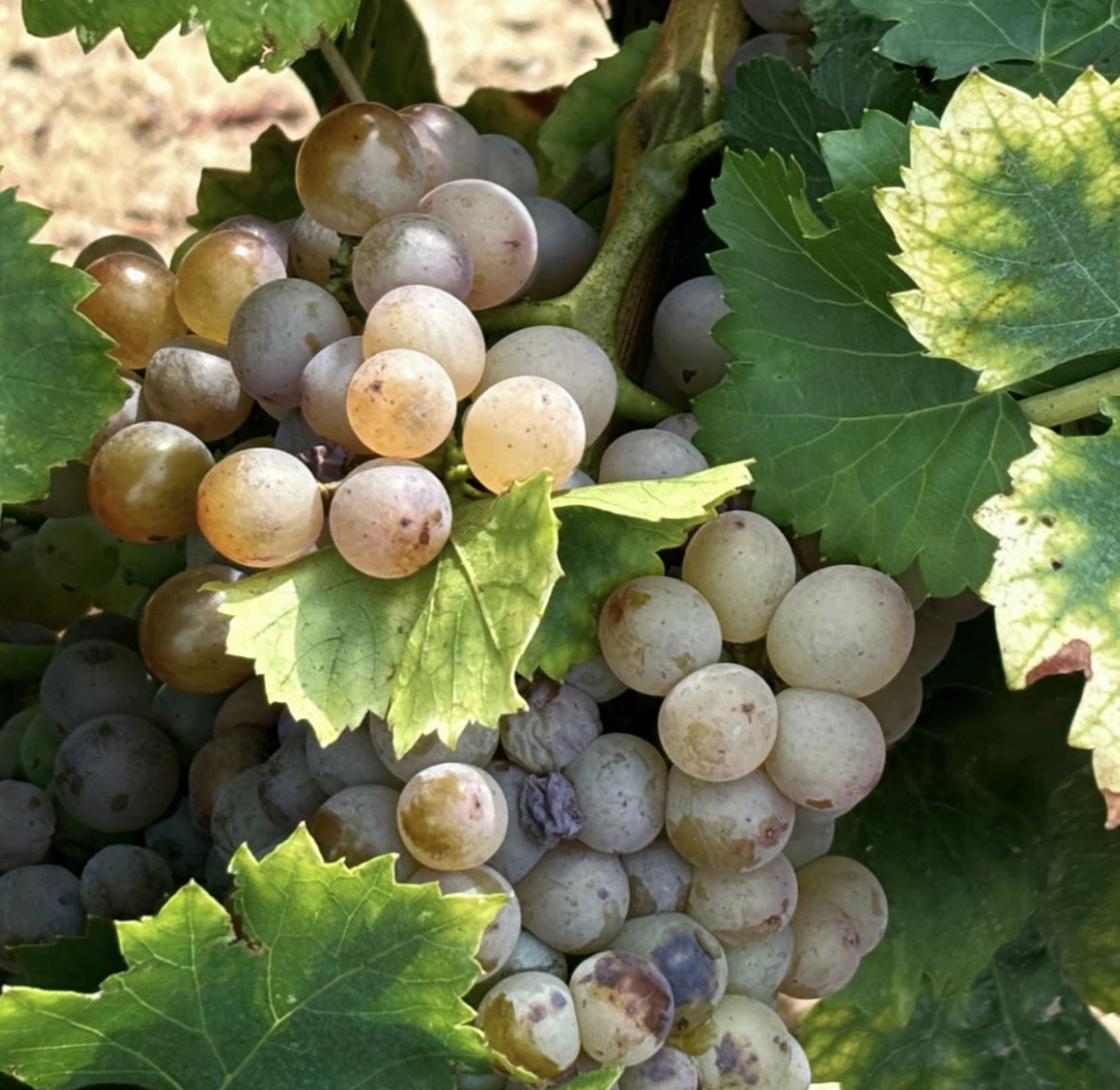
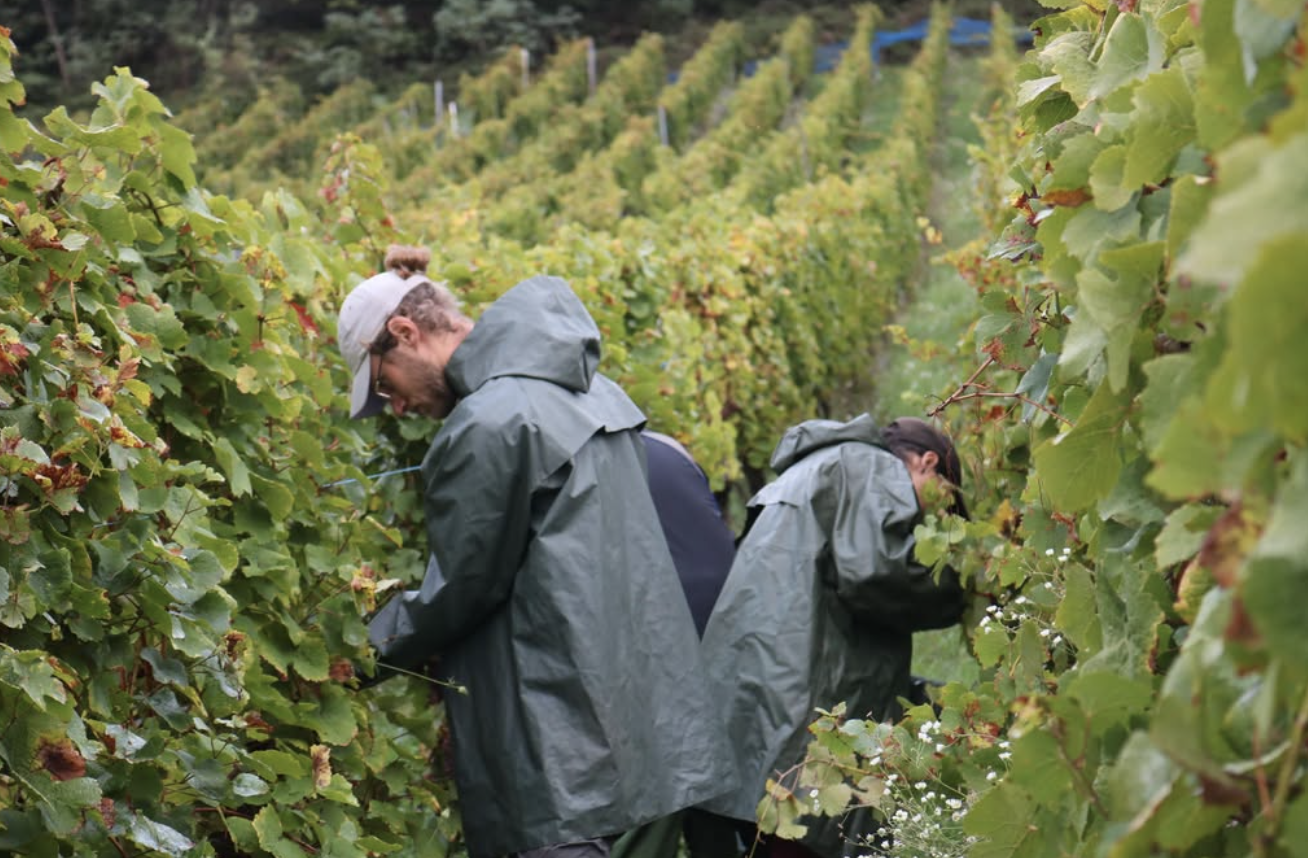
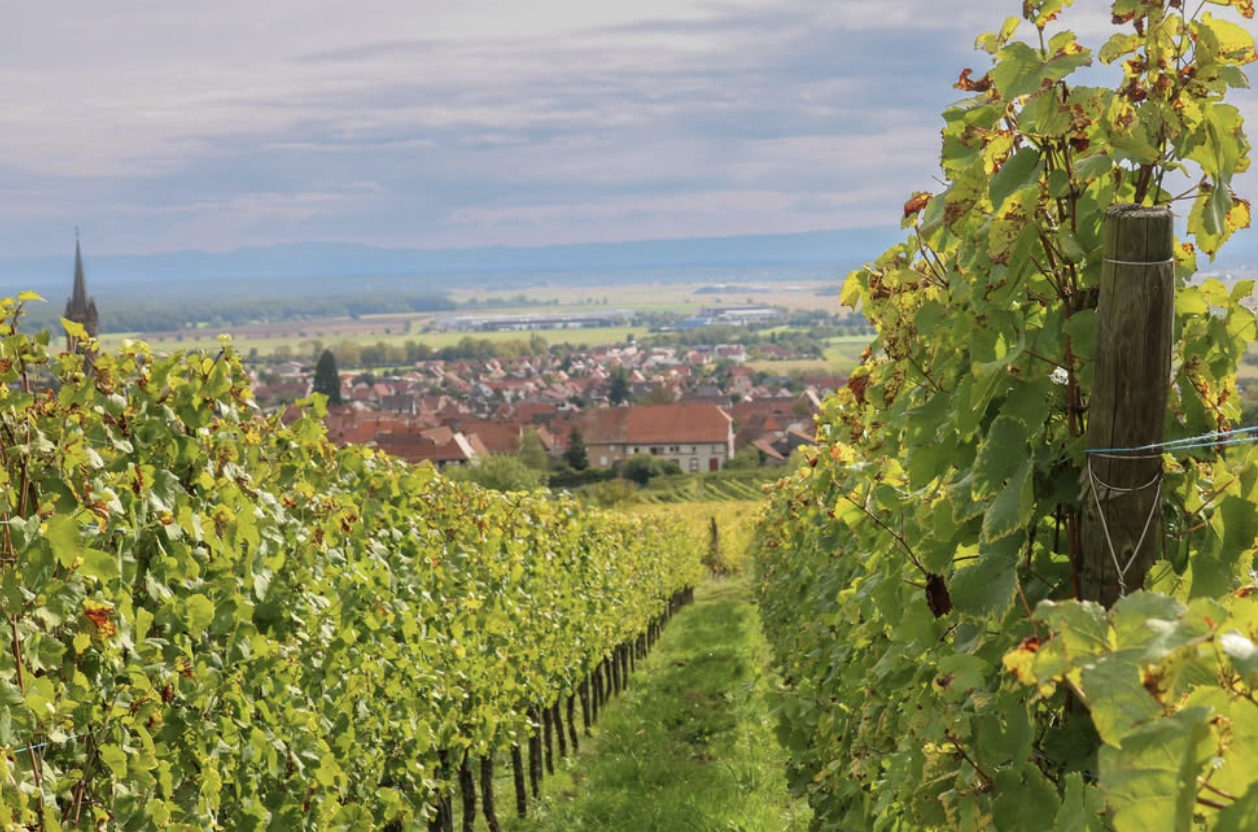
Pépin is a collaborative natural wine project out of Alsace, France, born from the team behind Domaine Achillée—brothers Jean and Pierre Dietrich—alongside consulting oenologists Xavier Couturier and Pierre Sanchez of Duo Oenologie, with Arnaud and Raphaël rounding out the founding group of six. Rather than farming a single estate, Pépin works as a network, partnering with around fifteen independent organic growers across Alsace, plus select partner vineyards beyond France, connecting small producers who grow beautifully but lack the means or desire to bottle and sell their own wine under their own name.
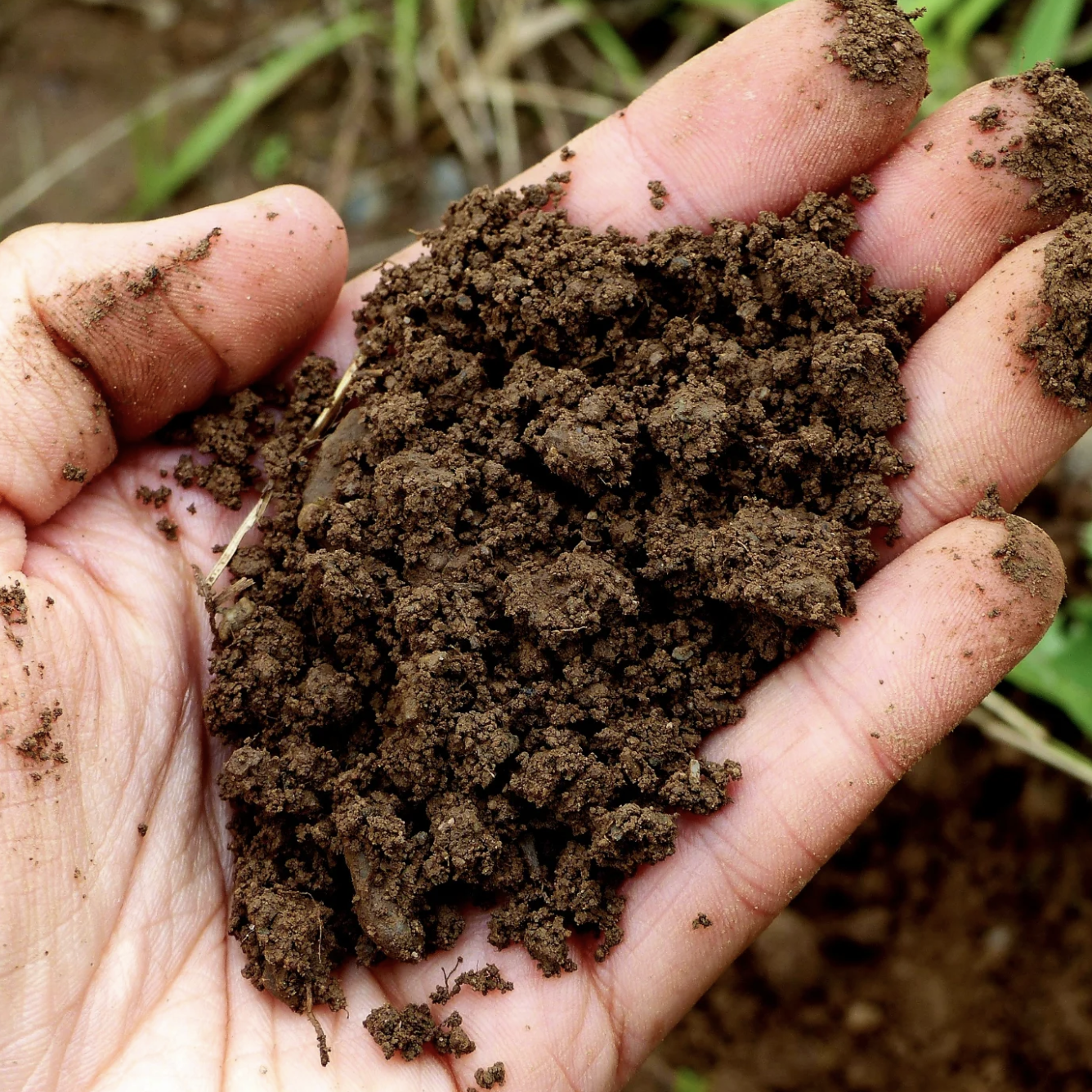
Every grower in the network is certified organic, hand-harvests, and avoids synthetic pesticides, insecticides, and herbicides entirely. In the cellar, the philosophy stays consistent across the whole range: native yeast fermentation, no additives, no fining, no filtration, and zero or negligible added sulfur at bottling. Rather than following a fixed vintage structure, Pépin releases wines in "lots," meaning blends and even grape varieties can shift from batch to batch—an approach that trades consistency for spontaneity, treating each release as its own honest snapshot rather than a repeatable formula.
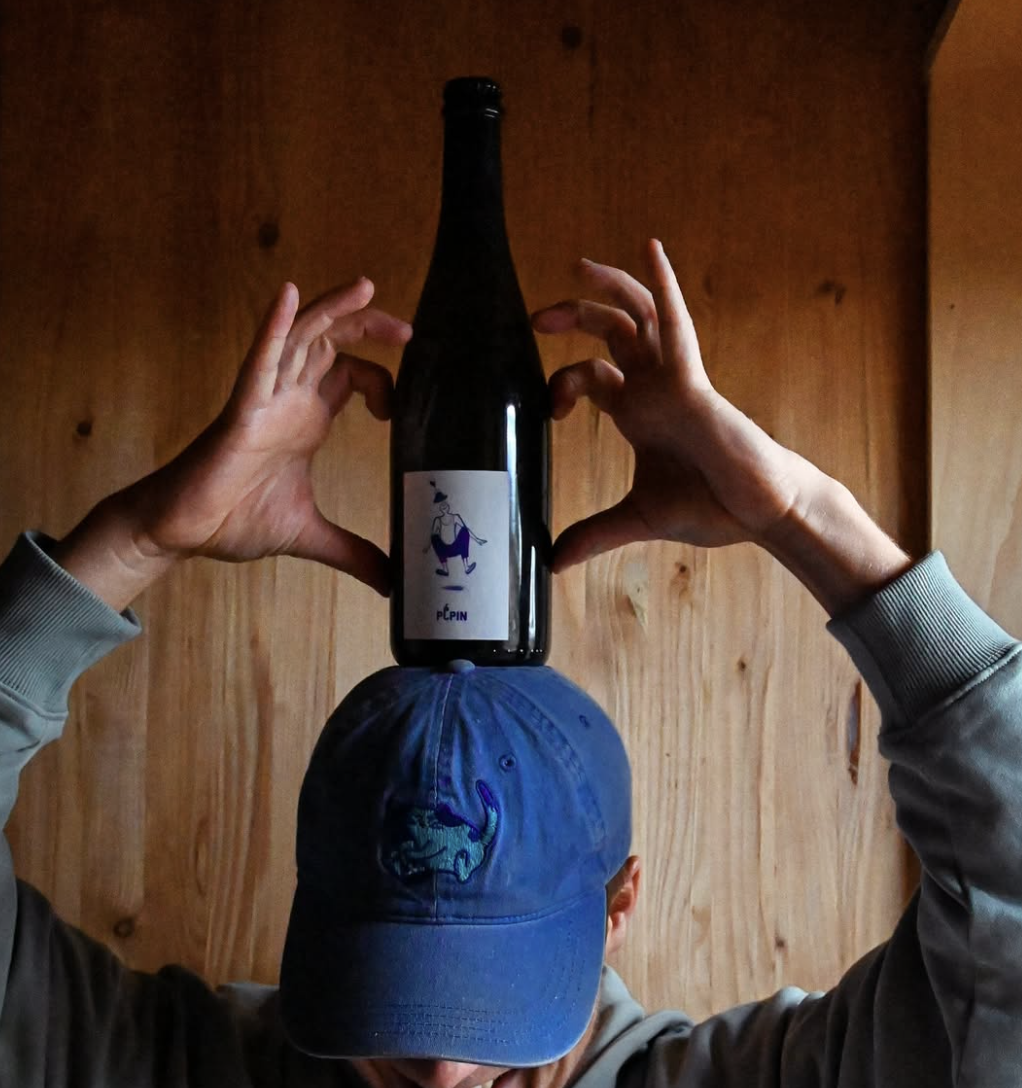
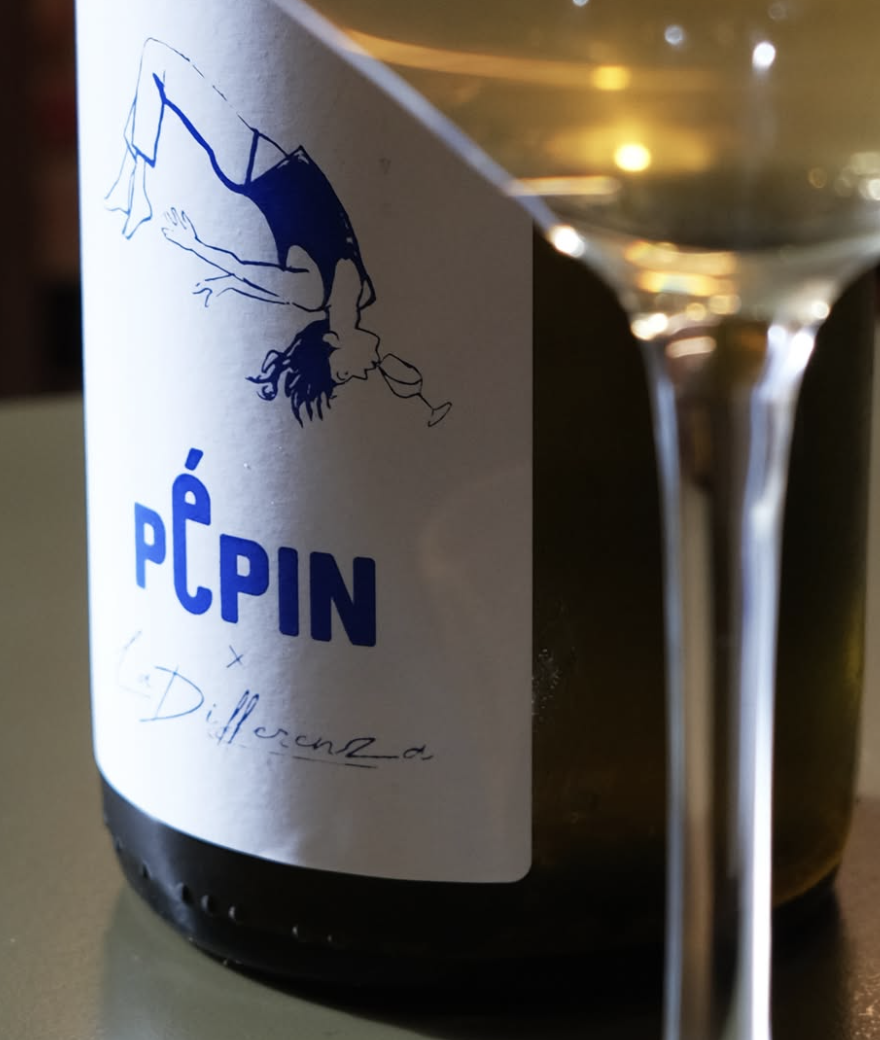
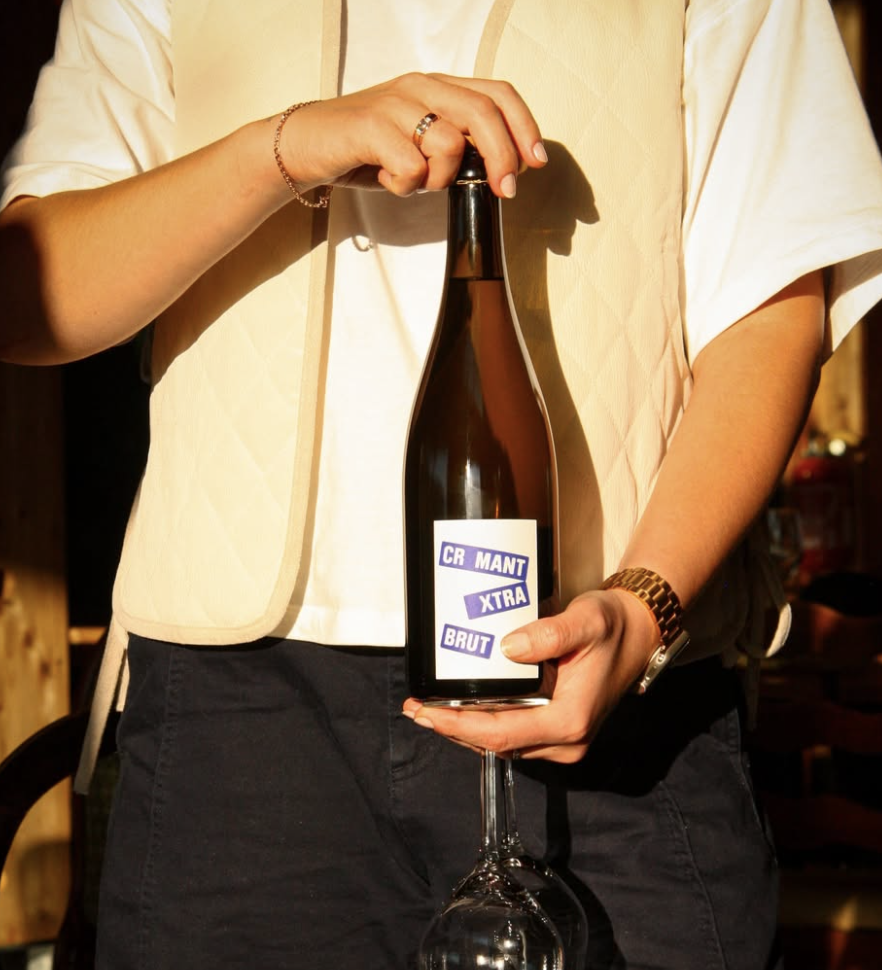
What sets Pépin apart from many natural wine labels is its deliberate anonymity—no winemaker portraits, no grandfather-planted-the-vines mythology, just wine in a bottle with clean, distinctive artwork by natural-wine-world illustrator Michel Tolmer and a price built for everyday drinking. It's a project designed to move: the bottle someone reaches for on a Tuesday without needing to study the back label first. Underneath that low-key packaging sits real technical seriousness and a genuine commitment to fair compensation for the growers who make it possible—natural wine stripped of ceremony, built for accessibility without cutting corners on integrity.
Biodyna
Biodynamic
Natural
Socials
https://www.instagram.com/pepin.vin/
Wines
Pépin's range reads like a loose, ever-shifting conversation between grape and grower, built almost entirely around Alsace's classic white varieties but handled with a light, playful touch. Pépin Blanc—a blend of roughly 40% Riesling, 30% Sylvaner, and 30% Auxerrois—leads with yuzu and delicate elderflower on the nose, opening into a fresh, mineral-driven palate with a distinct saline edge; each variety is harvested, pressed, and fermented separately before spontaneous fermentation in stainless steel and neutral oak foudres, then blended and aged a further four to six months before bottling unfined and unfiltered.
The orange bottling takes Gewürztraminer and macerates about 15% of the cuvée for two days before blending back with the press juices, yielding a wine layered with overripe peach, stewed lemon, hazelnut, plum, and apricot—juicy, easygoing, with a soft tropical texture. A second orange-leaning cuvée built the same way shows more peach, plum, rose, and lychee, finishing long and saline with a touch of freshness, grown on limestone and sandstone soils that keep the fruit honest rather than jammy.
Pépin's Pétillant Naturel rounds out the range, made from Ugni Blanc, Picpoul, Muscat, and Chardonnay grown on clay-limestone soils and finished using the ancestral method—fermentation completing naturally in bottle for a lively, slightly yeasty fizz with no intervention required to get there. Across the board, the wines share a common thread: zero or negligible sulfur, native yeasts, no fining or filtration, and a refusal to chase polish. Because grape blends shift lot to lot rather than following fixed vintages, no two batches taste quite the same—which is precisely the point. These are wines meant to be opened without ceremony, delivering genuine natural-wine character at a price and format built for regular, unfussy drinking.